

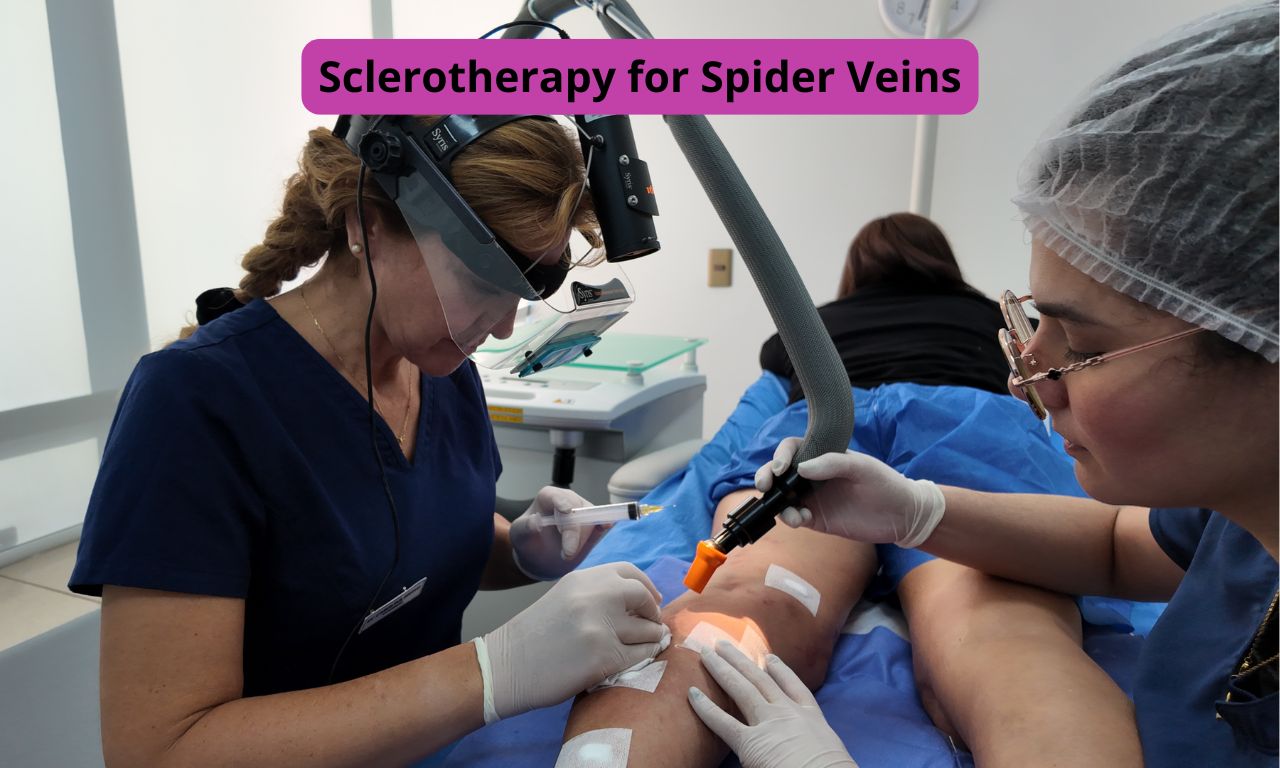
Sclerotherapy for Spider Veins: Treatment and Results
Discover how sclerotherapy removes spider veins safely and effectively. Learn about the procedure, recovery, and expected results.
Spider veins are a common vascular concern that affects millions of people, particularly on the legs and face. These small red, blue, or purple veins often appear close to the skin’s surface and may gradually become more noticeable over time.
While spider veins are usually harmless, many patients seek treatment because of their appearance or mild symptoms such as itching or burning. One of the most effective and widely used treatments for spider veins is sclerotherapy.
Sclerotherapy is a minimally invasive procedure that has been used safely for decades to eliminate unwanted veins and improve the appearance and health of the legs.
What Is Sclerotherapy?
Sclerotherapy is a medical procedure used to treat spider veins and small varicose veins. During the treatment, a specially formulated medical solution—called a sclerosant—is injected directly into the affected vein.
This solution irritates the inner lining of the vein, causing it to collapse and eventually close. Over time, the body naturally absorbs the treated vein, and blood flow is redirected to healthier veins.
The result is a gradual fading of the visible veins and an improvement in overall leg appearance.
Sclerotherapy is considered the gold standard treatment for spider veins and is widely performed by vascular specialists and phlebologists.
Causes and Risk Factors for Spider Veins
Understanding the causes of spider veins can help patients better manage their vascular health.
Spider veins develop when small veins become dilated due to increased pressure or weakened vein walls.
Common risk factors include:
Genetics
Family history is one of the strongest predictors of developing spider veins.
Hormonal Changes
Hormonal fluctuations—especially during pregnancy, menopause, or when using hormonal medications—can affect vein elasticity.
Prolonged Standing or Sitting
Occupations that require standing for long periods can increase pressure in the leg veins.
Examples include:
- Healthcare professionals
- Teachers
- Retail workers
- Hospitality workers
Aging
As we age, vein walls and valves may weaken, increasing the risk of spider veins.
Lifestyle Factors
Additional factors may include:
- Obesity
- Lack of exercise
- Sun exposure (especially for facial spider veins)
Symptoms and Warning Signs
Spider veins are often primarily a cosmetic concern, but some patients may experience mild symptoms.
Common symptoms include:
- Visible red, blue, or purple veins
- Mild itching around the veins
- Burning or tingling sensations
- Leg fatigue
- Localized swelling
Spider veins frequently appear in a web-like pattern and may develop gradually over time.
Diagnosis and Medical Evaluation
A vein specialist typically begins with a clinical evaluation to assess the affected areas and determine the severity of the condition.
In some cases, physicians may recommend a duplex ultrasound examination to evaluate deeper veins and rule out underlying venous insufficiency.
This step is important because spider veins can sometimes be associated with larger venous circulation problems.
A proper diagnosis ensures that patients receive the most appropriate treatment plan.
Treatment Options
Sclerotherapy remains the most effective treatment for spider veins, but additional treatments may be considered depending on the patient’s condition.
Sclerotherapy Procedure
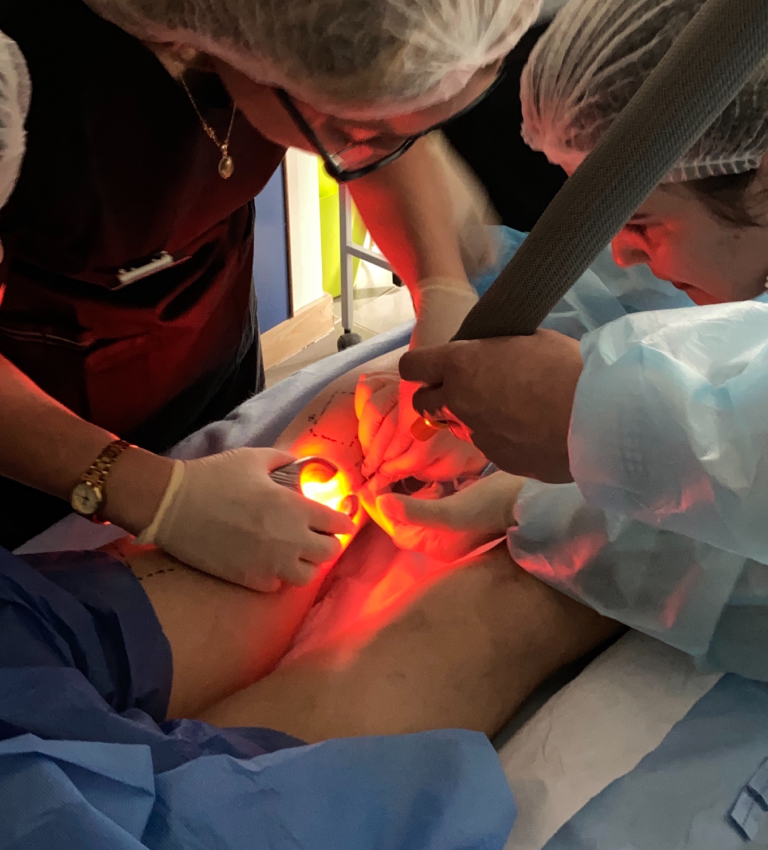
The procedure is performed in a medical office and typically takes 15 to 30 minutes.
During the procedure:
- The physician cleans the treatment area.
- A very fine needle is used to inject the sclerosant solution into the vein.
- The vein collapses and blood flow is redirected to nearby healthy veins.
Multiple veins may be treated during the same session.
Patients typically experience minimal discomfort during the injections.
Foam Sclerotherapy
In some cases, the sclerosant is mixed with air or gas to create a foam solution. Foam sclerotherapy allows the medication to better contact the vein walls and may be used for slightly larger veins.
Laser Therapy
Laser treatment may be recommended for very small spider veins or facial veins that are difficult to treat with injections.
Recovery and Expected Results
One of the advantages of sclerotherapy is its minimal recovery time. Most patients can return to normal activities immediately after the procedure.
Typical recovery recommendations include:
- Wearing compression stockings for several days
- Walking regularly to promote circulation
- Avoiding intense exercise for a short period
- Avoiding sun exposure on treated areas
Visible improvement usually occurs within 3 to 6 weeks, although multiple sessions may be necessary for optimal results.
Prevention and Lifestyle Recommendations
Although spider veins cannot always be prevented, certain lifestyle habits may help reduce the risk of developing new veins.
Recommended practices include:
- Regular physical activity
- Maintaining a healthy weight
- Avoiding prolonged sitting or standing
- Elevating the legs when resting
- Wearing compression stockings when recommended
Healthy circulation plays an important role in preventing future vein problems.
When to See a Vein Specialist
Patients should consider consulting a vein specialist if they experience:
- Increasing numbers of spider veins
- Persistent leg discomfort
- Cosmetic concerns about visible veins
- Swelling or heaviness in the legs
A vascular evaluation can determine whether spider veins are an isolated cosmetic condition or part of a larger venous circulation problem.
Early treatment often leads to the best results.
Frequently Asked Questions (FAQ)
Is sclerotherapy painful?
Most patients experience only mild discomfort during the injections. The needles used are extremely small.
How many treatments are needed?
Many patients require one to three sessions, depending on the number and size of spider veins.
Are results permanent?
The treated veins usually do not return. However, new spider veins may develop over time.
Is sclerotherapy safe?
Yes. When performed by trained vascular specialists, sclerotherapy is considered a safe and effective treatment.
Can I return to work after treatment?
Most patients return to normal daily activities immediately after the procedure.
Medical Credibility (autor)
Medically reviewed by
Dr. Alejandro Cabrera
Specialist in Phlebology and Vascular Medicine