Research
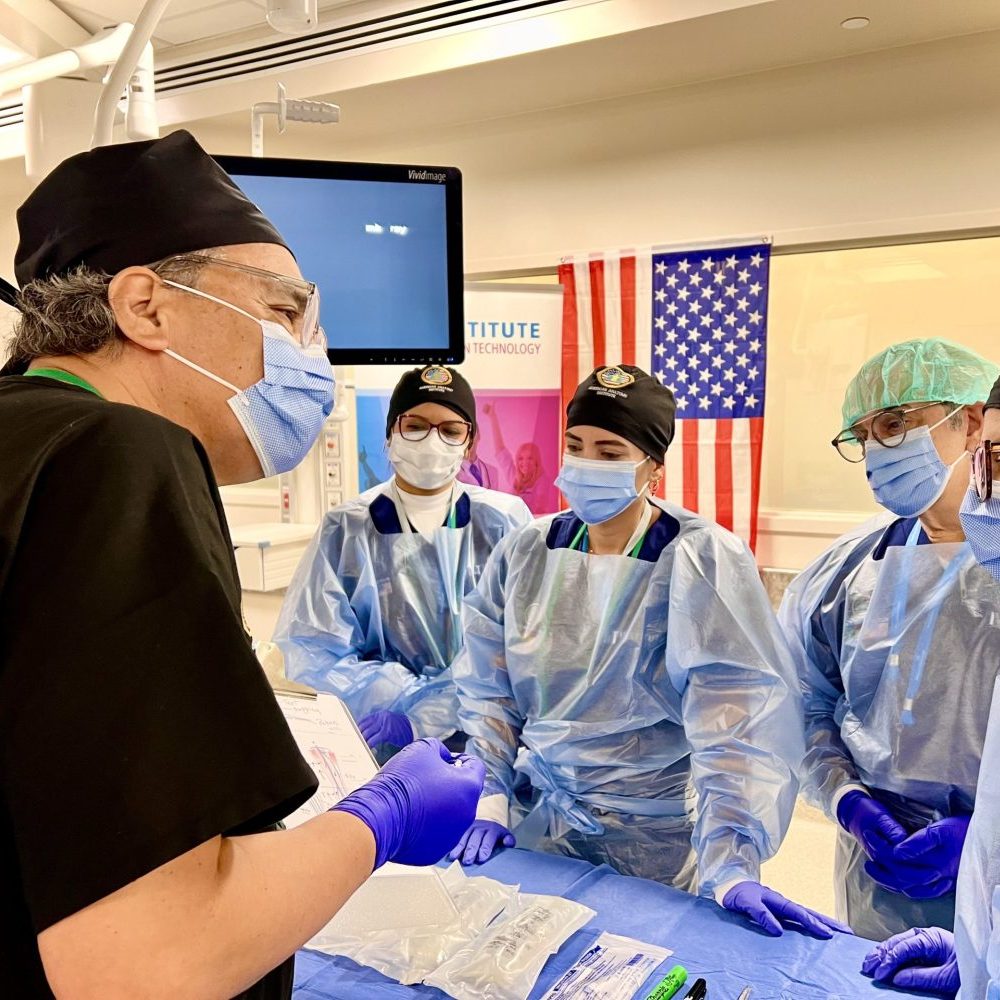
Training professionals involves far more than simply transmitting knowledge. It means inspiring people to explore their potential and challenge the status quo.
Research at the Institute of Vein Technology
Looking toward the future — a future that in many ways is already here — research has become an essential component in the development and continuous education of all healthcare professionals.
At the Institute of Vein Technology, research is built upon two fundamental pillars.
- The first pillar focuses on technological advancement and the continuous improvement of healthcare systems, including the optimization of clinical procedures, the refinement of currently applied medical techniques, and innovation in models of patient care.
- The second pillar is dedicated to basic science research, aimed at gaining a deeper understanding of the origins of disease. In particular, special emphasis is placed on genetic factors, which are considered one of the primary causes in the development of varicose veins and other venous disorders.
To achieve these goals, the Institute of Vein Technology collaborates closely with some of the most important scientific societies in the United States in the field of venous medicine, including the American Vein and Lymphatic Society and the American Venous Forum.
In addition, the institute continuously follows clinical guidelines, scientific recommendations, and emerging developments from Europe, particularly from leading organizations such as the French Society of Phlebology and the European Society of Phlebology.
These collaborations and academic partnerships allow the Institute of Vein Technology to remain aligned with the highest international standards in research, innovation, and clinical practice in the field of phlebology.
Below, you will find links that allow you to explore these scientific societies and learn more about their contributions to the advancement of venous medicine.
Research Focus Areas
At the Institute of Vein Technology, we believe excellence in medical education cannot exist without research—across basic sciences, technology, and clinical practice. Research only has true value when it leads to better, more efficient models of patient care.
1. Basic Science
Varicose veins are a genetic disorder; however, their development is not associated with a single gene. It is a multigenic and multifactorial condition, meaning that multiple genes interact along with various biological and environmental factors.
Scientific research has identified several associations between specific genetic characteristics and the development of varicose veins. For example, studies have found links with genes related to a person’s height, suggesting that certain genetic traits may influence the predisposition to develop venous disease.
2. Technology-Engineering & Innovation
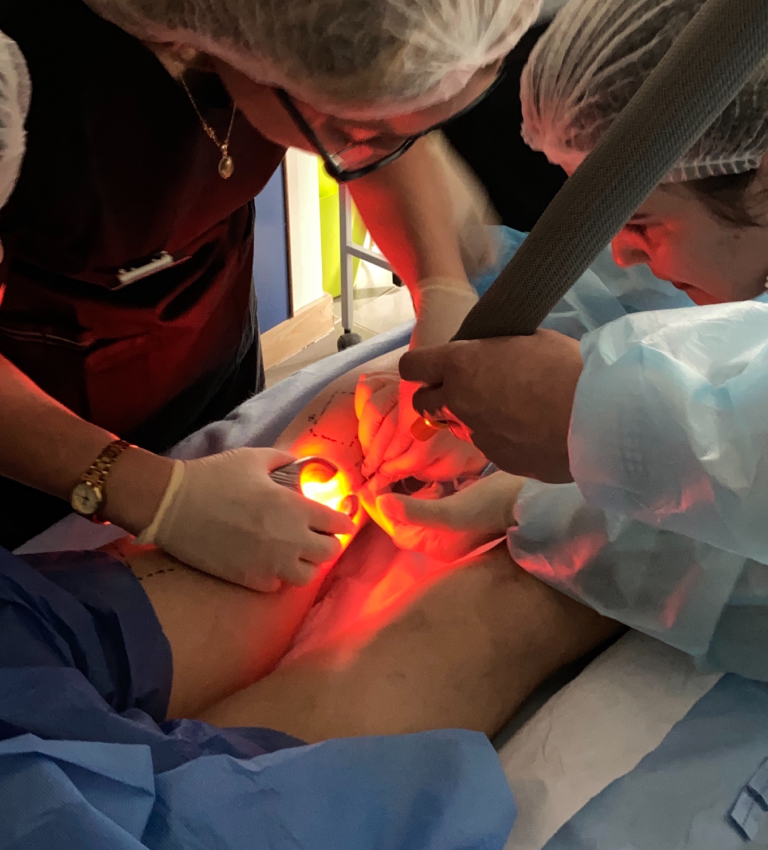
Since 2002, the FDA (U.S. Food and Drug Administration) approved a series of new procedures that have progressively replaced traditional surgery for the treatment of varicose veins. From that point forward, most advances in venous disease treatment have been primarily associated with technological innovation.
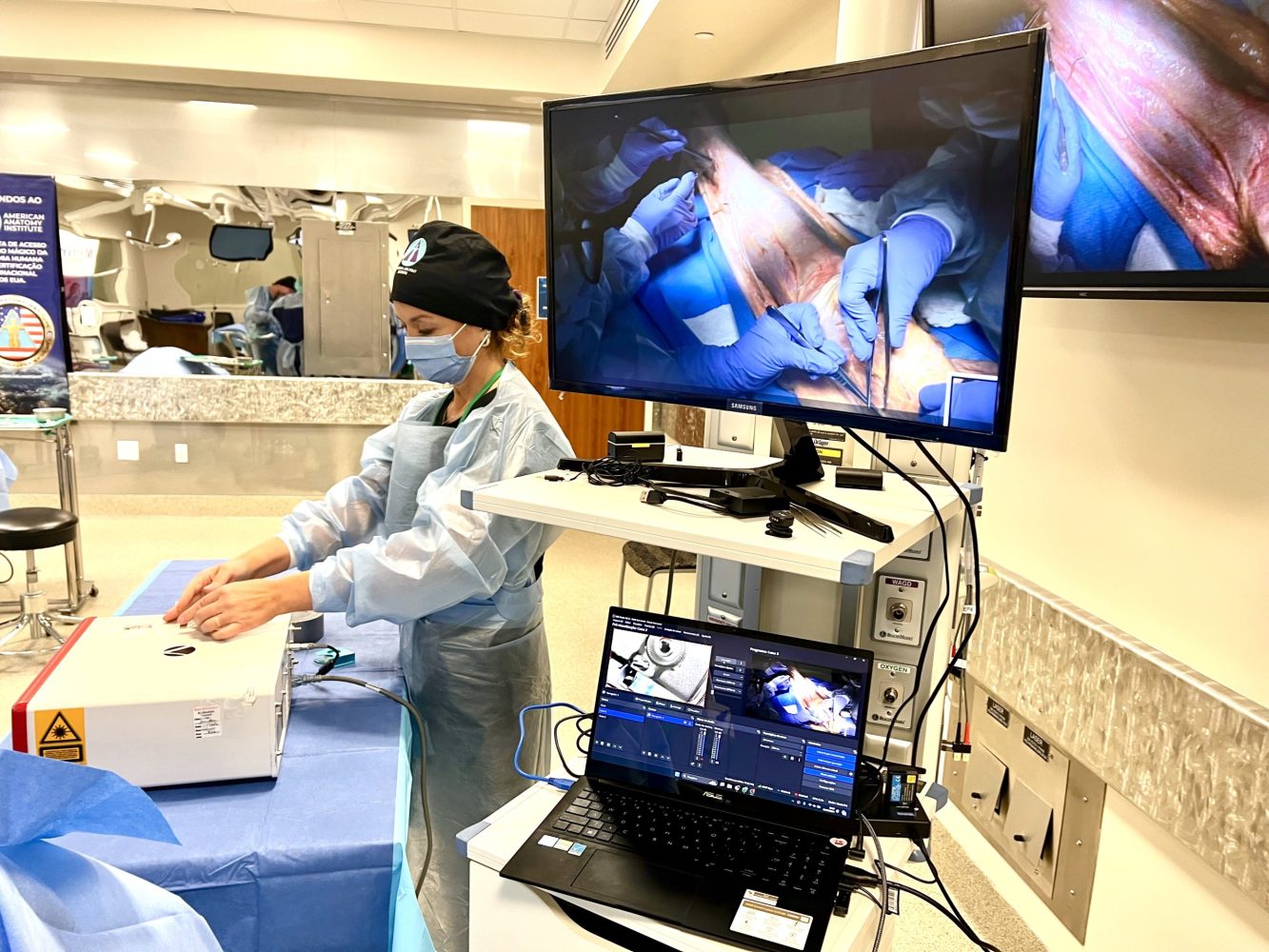
These improvements have been reflected particularly in the development and refinement of catheters, guidewires, and especially fiber-optic technologies used in endovenous laser treatments. Despite these technological advances, the fundamental principle of these techniques has remained the same: to close or eliminate the insufficient vein in order to restore proper venous circulation.
Today, phlebology is facing a new therapeutic approach that may complement or, in some cases, replace endovenous laser therapy, through ultrasound-guided treatments that operate through two main mechanisms of action.
One of these mechanisms is based on thermal ablation, which uses heat energy to close the affected vein. However, one of the most promising developments currently under investigation involves non-thermal therapies, which aim to treat venous disease without the use of heat, potentially offering less invasive procedures, lower risk of complications, and greater comfort for patients.
3. Business & Economics
Modern healthcare management operates within a complex system involving three key actors: patients, healthcare providers, and insurance entities (both social and private). Understanding the relationship among these stakeholders is essential.
Developing an ambulatory care system requires a strong organizational focus, strict discipline, and rigorous adherence to clinical protocols. In many cases, it demands even greater operational precision than traditional hospital care to ensure optimal outcomes and minimize complications.
Within this complex environment, healthcare organizations must also reflect on the balance between system efficiency and the ethical principles that guide medical practice, ensuring patient-centered, safe, and responsible care.
4. Healthcare
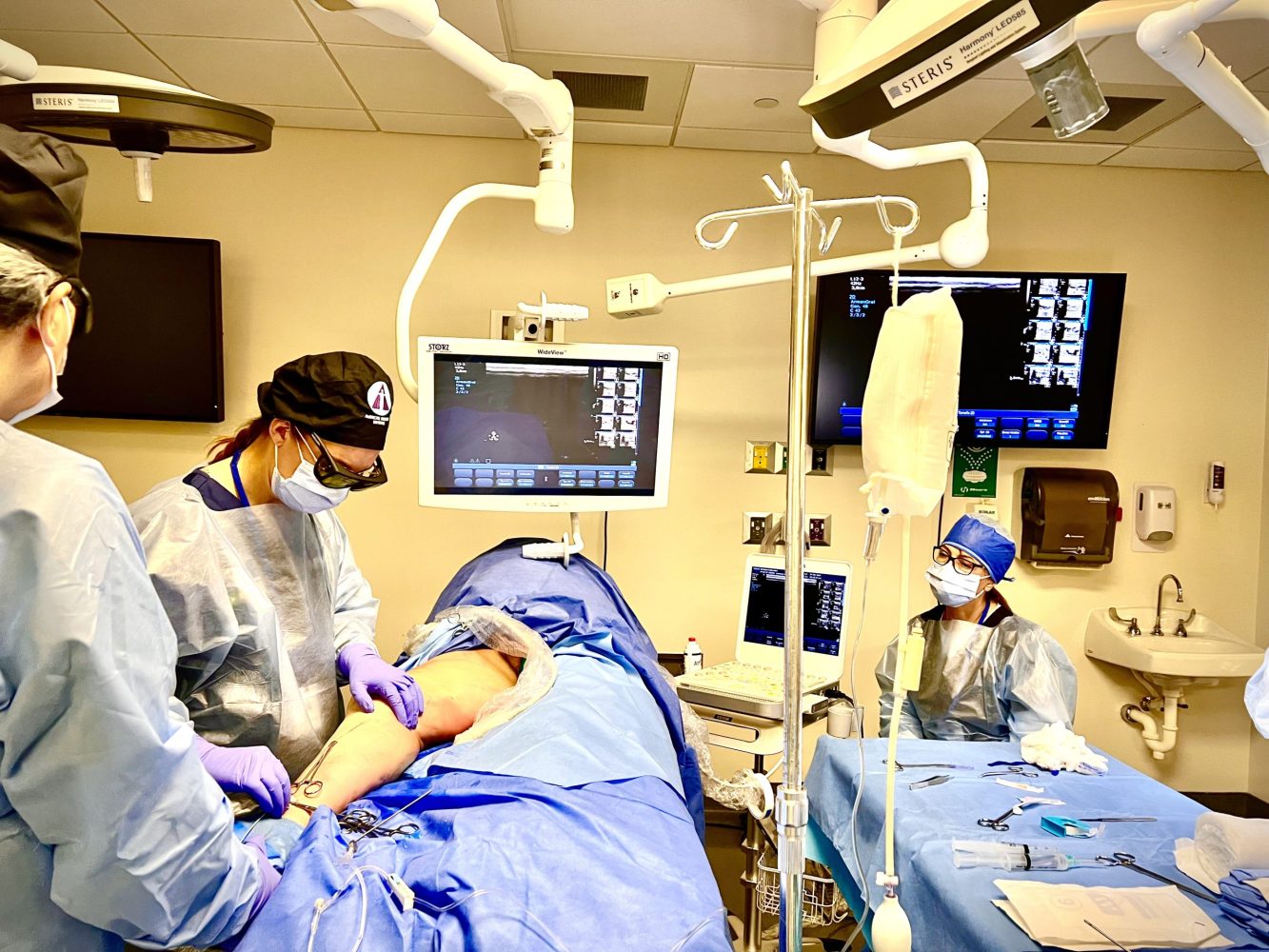
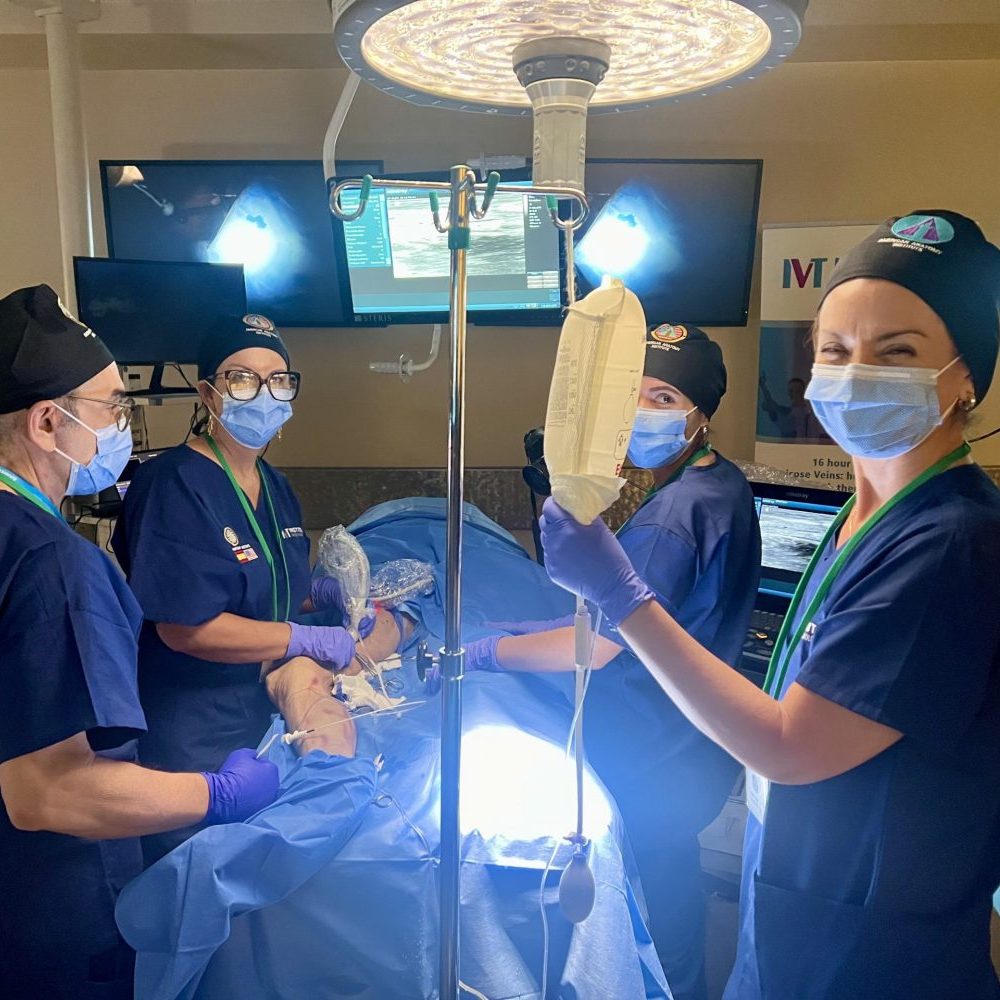
Today there is a widely accepted consensus in the medical community that varicose veins can and should be treated in an outpatient setting. A large body of scientific evidence supports that venous disease can be safely and effectively managed through ambulatory procedures performed under ultrasound guidance and local anesthesia, allowing for precise treatments and faster recovery for patients.
However, to achieve optimal outcomes, it is essential to maintain high standards in patient selection, ensuring that each case is carefully evaluated before treatment.
Looking toward the future, therapeutic techniques are expected to become even simpler and more efficient, potentially incorporating non-invasive ultrasound-based therapies applied externally. These advances could further reduce healthcare costs, benefiting both insurance providers and patients, while expanding access to effective treatments for venous disease.
Education
Univet provides transparent, competitive tuition fees and flexible payment options, ensuring high-quality education.
Clinical Trials
At Univet, we offer world-class academic programs, expert faculty guidance, and innovative learning opportunities.
Public Health Research
Univet, student life goes beyond academics offering vibrant activities cultural events clubs and opportunities that personal.
Education is at the heart of IVT.
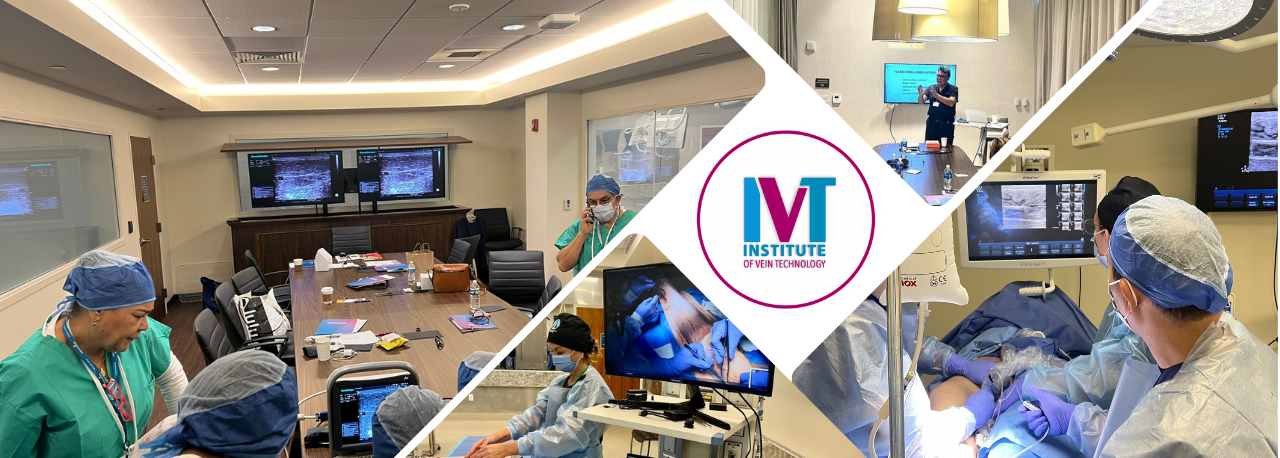
We design training programs that combine scientific knowledge, hands-on experience, and strong clinical judgment. Our goal is to prepare physicians and healthcare teams to meet the real-world challenges of modern phlebology.
Our educational approach includes:
- Rigorous theoretical training
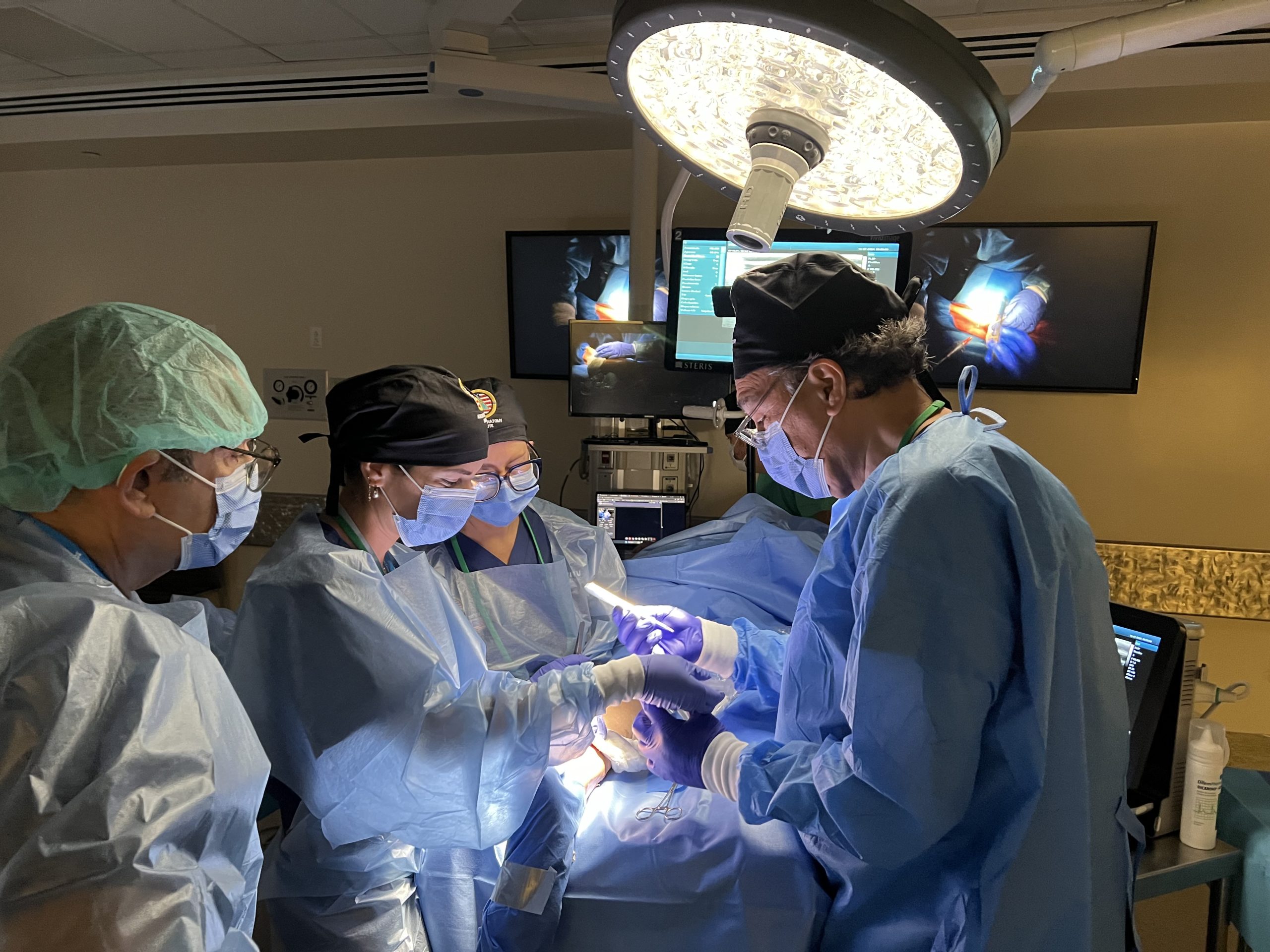
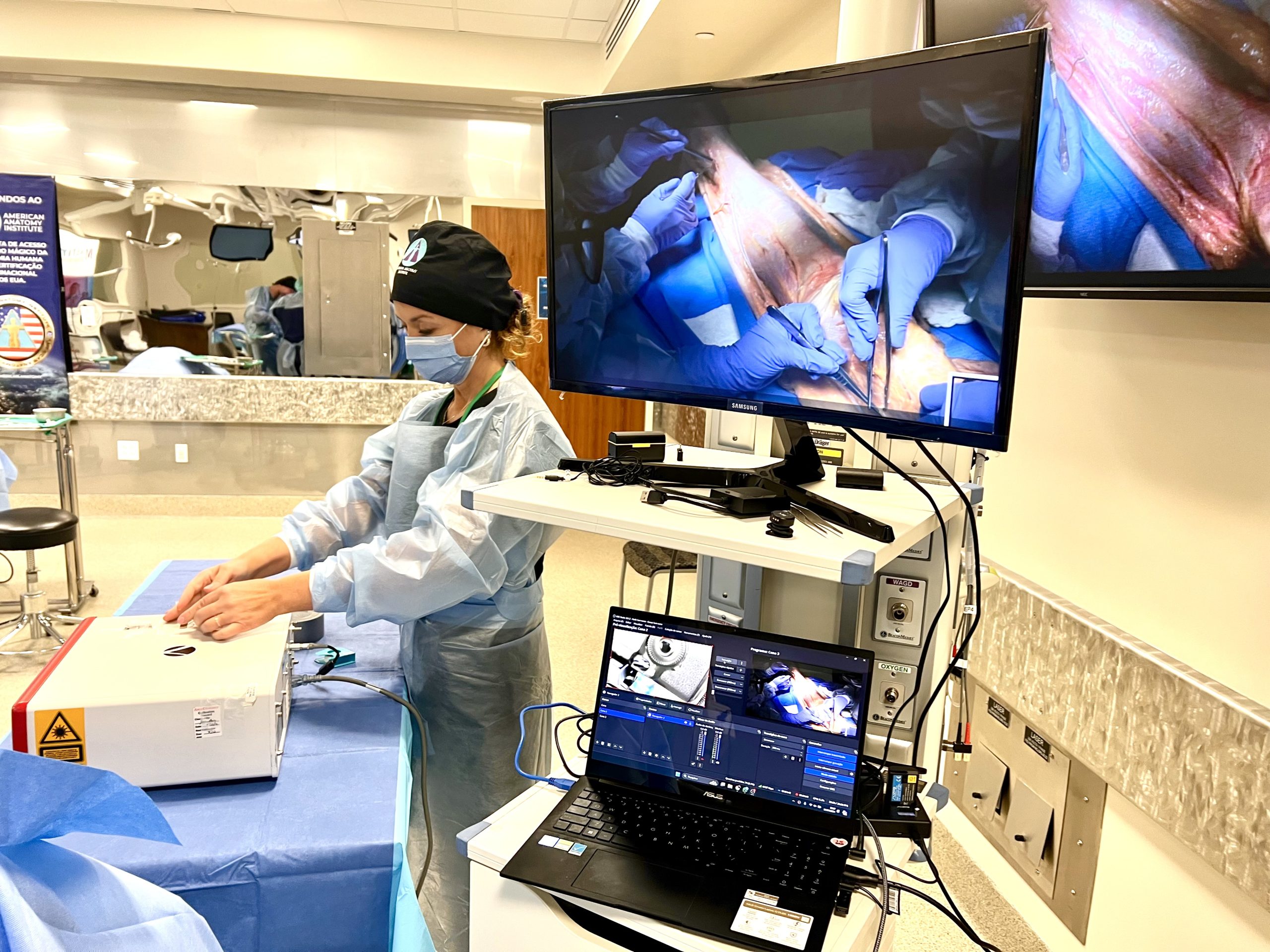
- Hands-on practice in high-level clinical environments
- Advanced simulation
- Mentorship based on real clinical experience
We do not teach techniques alone. We train professionals to understand, evaluate, and act with confidence—always keeping the patient at the center of every decision.
Research: Bridging Science, Technology, and Patient Care
The second pillar guiding our work is applied research, which we view as a driving force for continuous improvement and the advancement of the specialty. This begins with staying engaged in progress within the basic sciences—especially genetics—which form the foundation for technological and clinical development.
Our research efforts focus on two complementary areas:
- Technology Improvements: We analyze, evaluate, and refine technologies, devices, and procedures used in the treatment of venous disease. Our goal is to improve safety, efficiency, and clinical outcomes—connecting innovation with responsible medical practice.
- Clinical Evidence: We generate and review clinical evidence to support sound medical decision-making. We promote a data-driven approach to phlebology, strengthening protocols, techniques, and outpatient care models based on measurable results.
We believe research should not remain limited to academic publications. It must directly inform education and clinical practice, raising the standard of care across the specialty.
At the Institute of Vein Technology, education and research are not separate paths.
They are part of the same journey—focused on one shared purpose: training better professionals to deliver better patient care.