Institute of Vein Technology
Welcome to Institute of Vein Technology
red-logo1-1
The Institute of Vein Technology was born from a clear conviction: excellence in the treatment of veins begins with a truly solid medical education.
Quick Contact:
Follow Us:
The Institute of Vein Technology was born from a clear conviction: excellence in the treatment of veins begins with a truly solid medical education.
Quick Contact:
Follow Us:

IV Certification Course

Clinical Competence in Peripheral Intravenous Access

A hands-on clinical training program designed to develop the practical skills required for safe and effective peripheral intravenous catheter placement using evidence-based techniques and ultrasound guidance.

Program Highlight

Prices

$950 USD

Duration

2 Days

CME Credits

Credits available

Language

English - Spanish

Program Overview

Peripheral intravenous (IV) access is one of the most frequently performed procedures in clinical medicine. Despite its routine nature, incorrect technique, poor vein selection, and inadequate training can lead to complications, patient discomfort, and procedural failure.

The IV Certification Course provides healthcare professionals with the theoretical knowledge and hands-on experience required to perform peripheral IV insertion safely and efficiently. Through a combination of structured instruction, ultrasound guidance, and practical training stations, participants develop the confidence and competence needed to perform IV access procedures in daily clinical practice.

By strengthening fundamental procedural skills, the program contributes to improved patient safety, greater procedural success rates, and enhanced clinical efficiency. 

Program Objective
The objective of this program is to develop clinical competence in peripheral intravenous catheter placement through evidence-based instruction, ultrasound guidance, and supervised hands-on training.
Target Audience

This course is designed for healthcare professionals involved in patient care who require proficiency in IV access procedures, including:

  • General physicians
  • Primary care providers
  • Physicians from other specialties
  • Nurses and nurse practitioners
  • Phlebotomists and allied healthcare professionals
  • Clinical staff seeking to strengthen procedural confidence before advancing to more complex interventions 

Curriculum Overview

The curriculum combines theoretical instruction with intensive hands-on procedural training, allowing participants to develop both conceptual understanding and practical competence in intravenous access techniques.

Foundations of Peripheral Intravenous Access
Participants begin by reviewing the principles of peripheral venous access, including indications, patient evaluation, and proper vein selection. The course emphasizes the importance of clinical judgment when determining the most appropriate insertion site.

Equipment and Procedural Preparation
Participants learn how to select and prepare the materials required for IV insertion, including catheter types, sterile preparation techniques, and clinical workflow for safe and efficient procedures.

Peripheral IV Insertion Techniques
The program provides step-by-step instruction on the techniques required for successful IV catheter placement. Participants review procedural protocols designed to maximize success rates while minimizing patient discomfort and complications.

Ultrasound-Guided Vein Selection
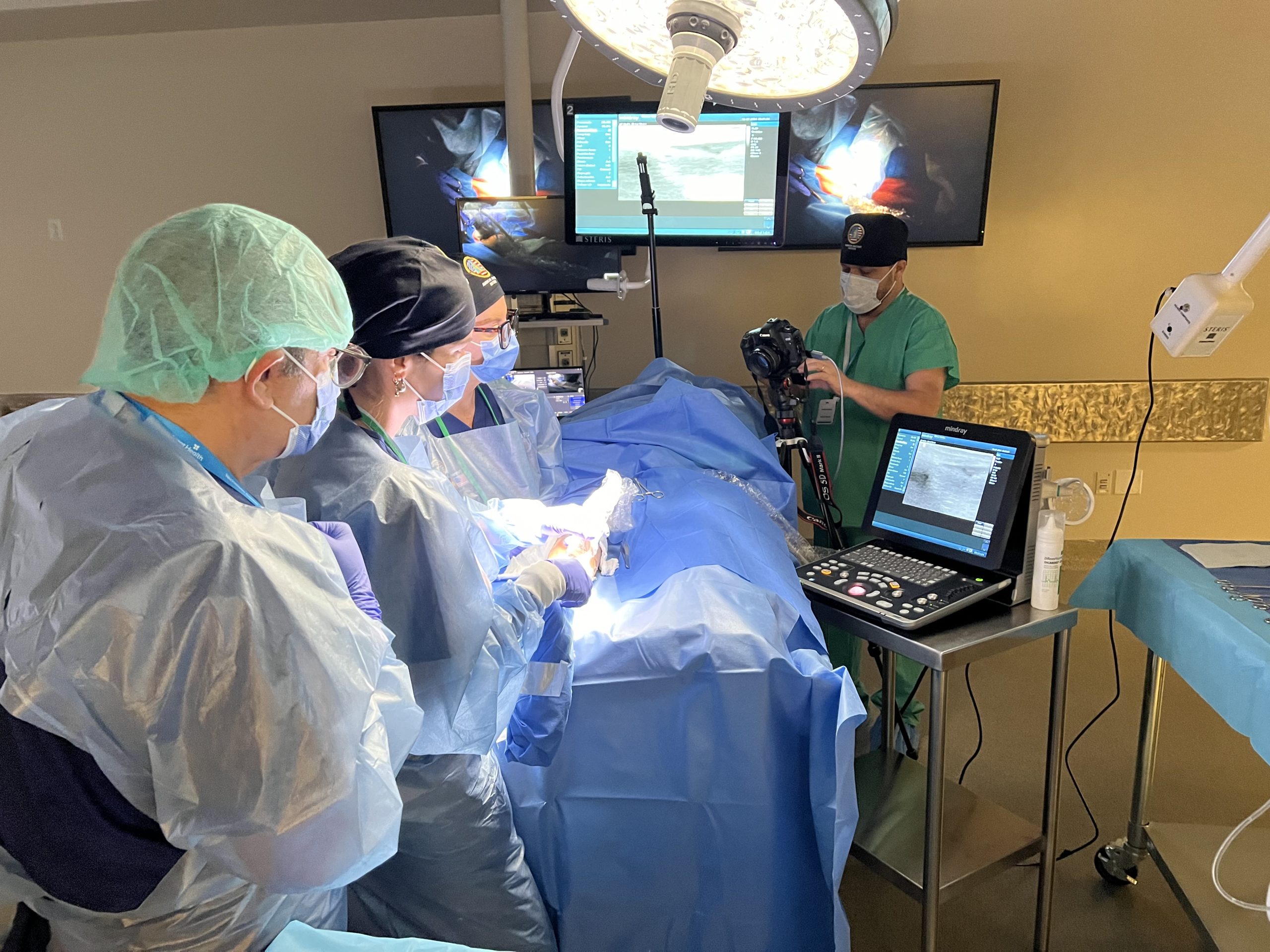
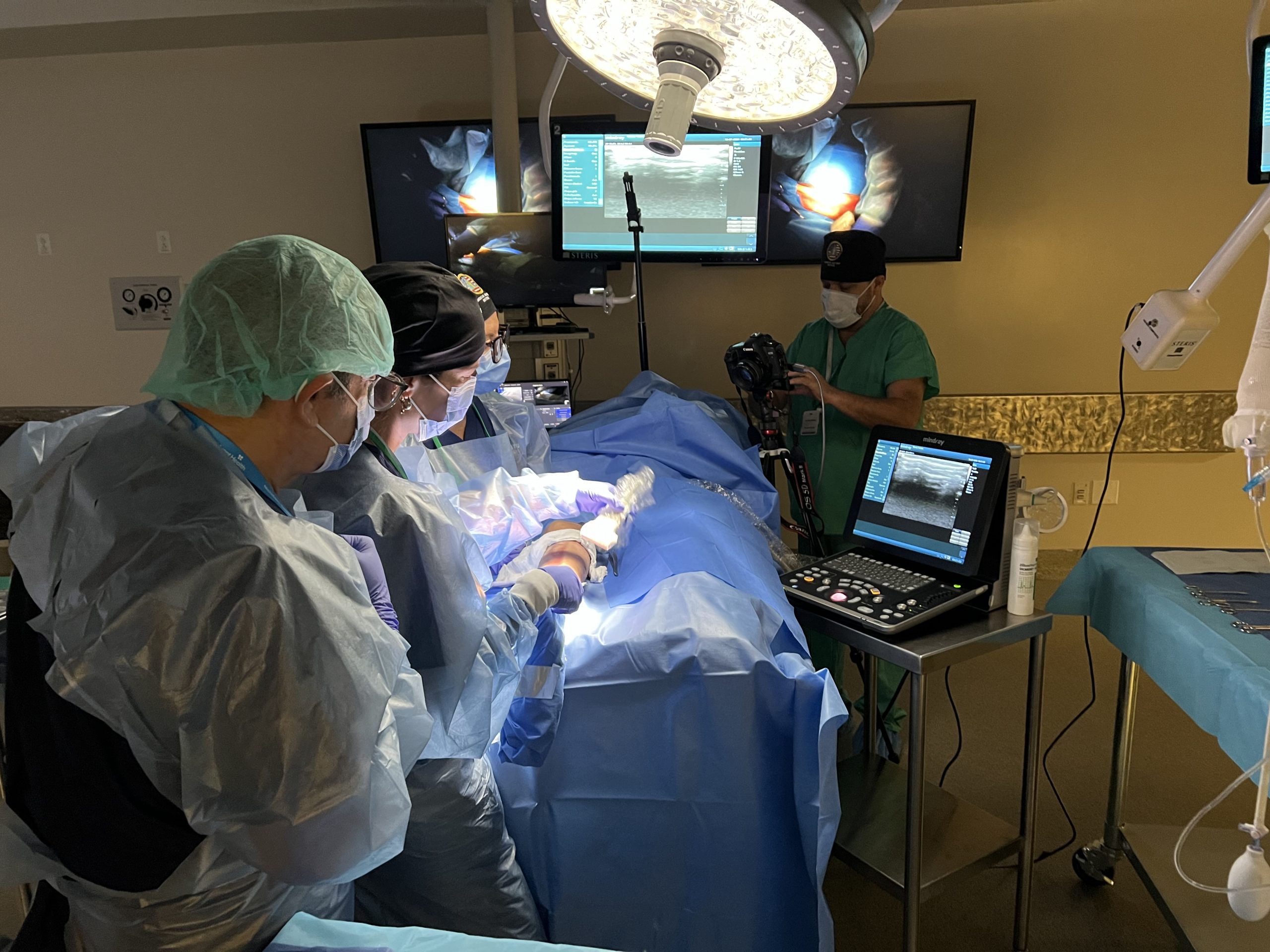
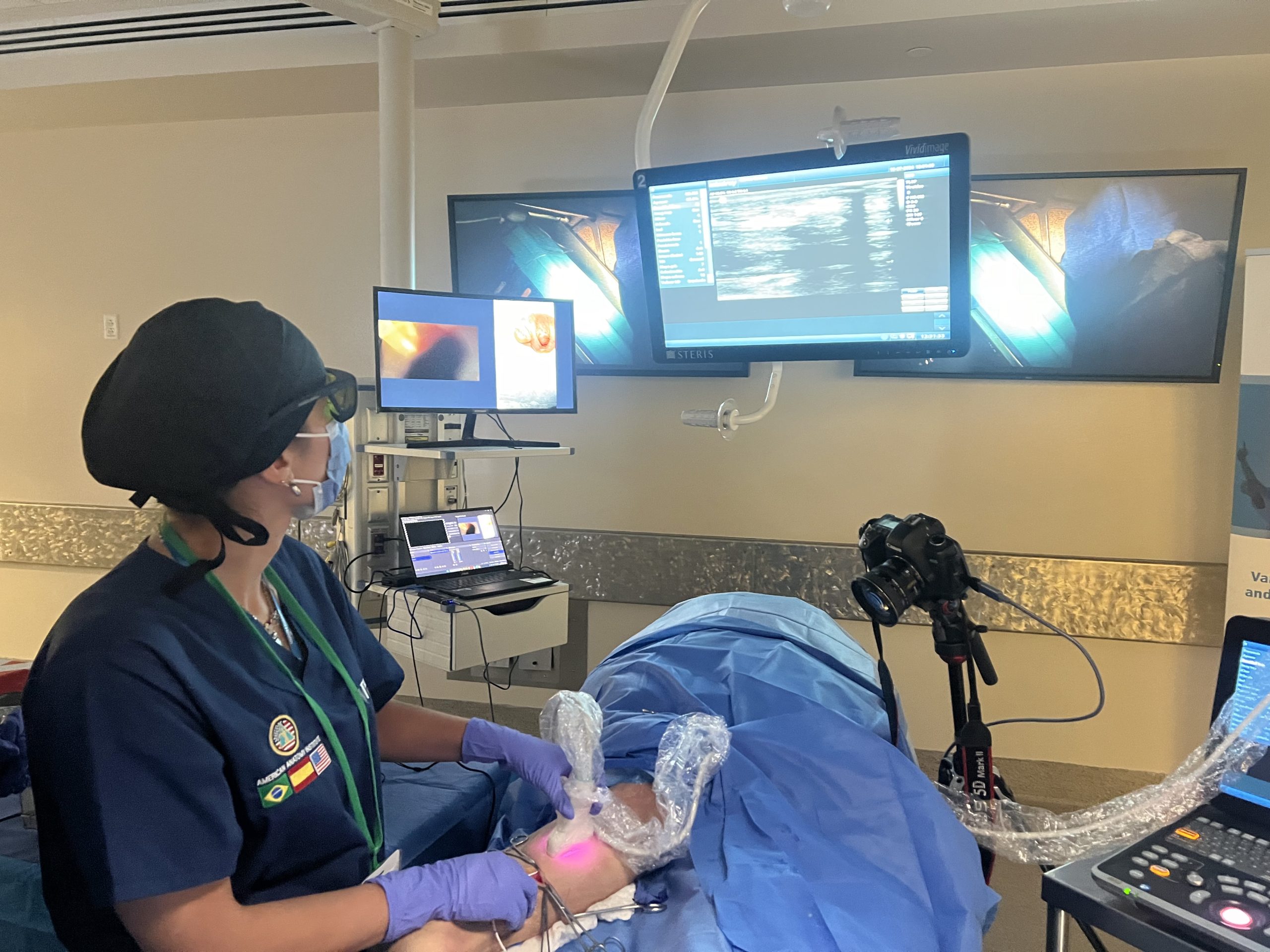
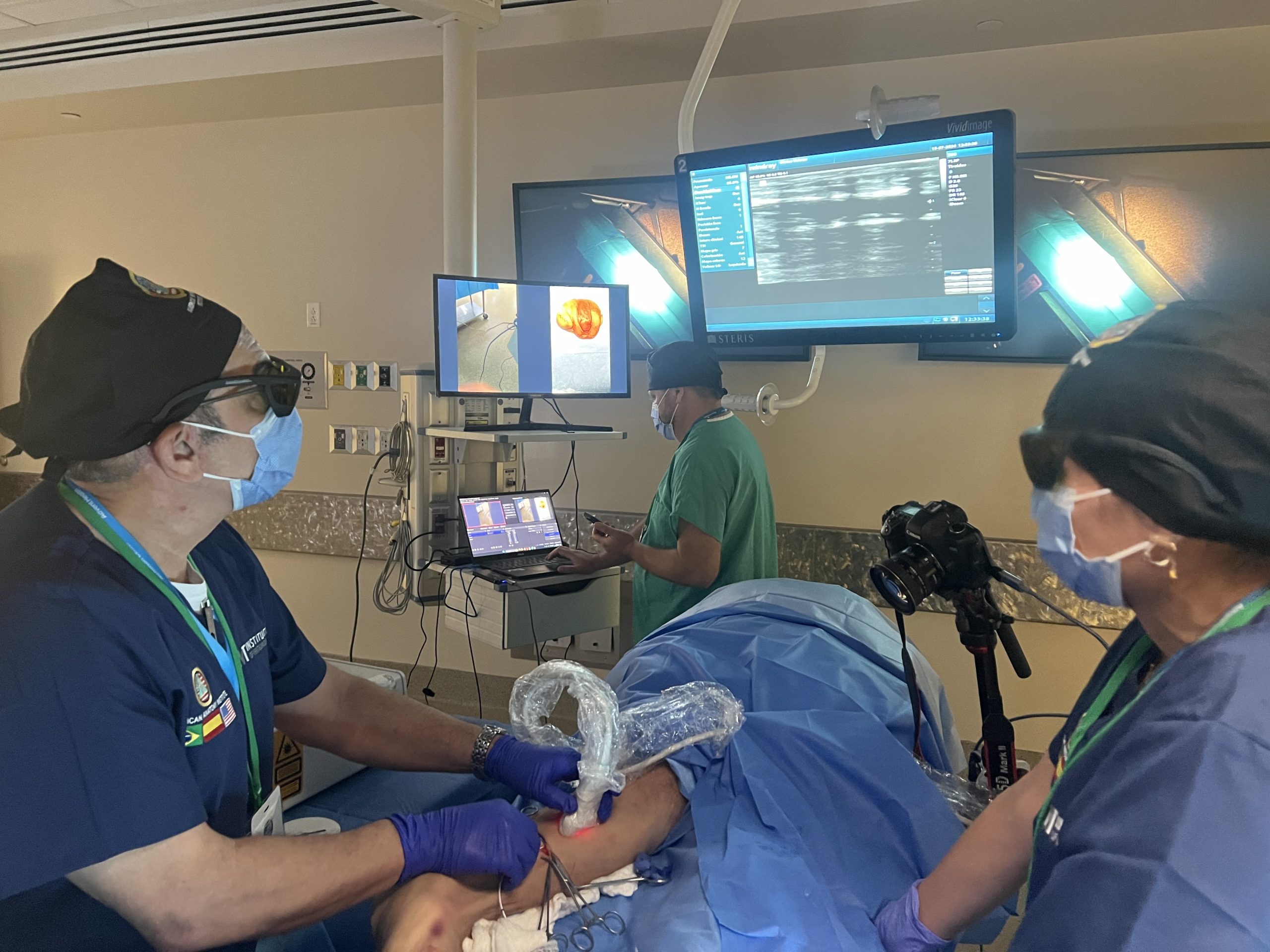
Participants learn how ultrasound technology can assist in identifying optimal veins for catheter placement, particularly in patients with difficult venous access.

This component emphasizes the integration of imaging guidance into modern clinical practice.

Pain Management and Post-Procedure Care
Participants review strategies to minimize patient discomfort during IV placement and learn appropriate post-procedure care protocols that promote patient safety and treatment success.

Complications and Risk Prevention
The curriculum includes the identification and prevention of common complications associated with IV insertion, such as infiltration, infection, or catheter failure.

Hands-On Training Stations
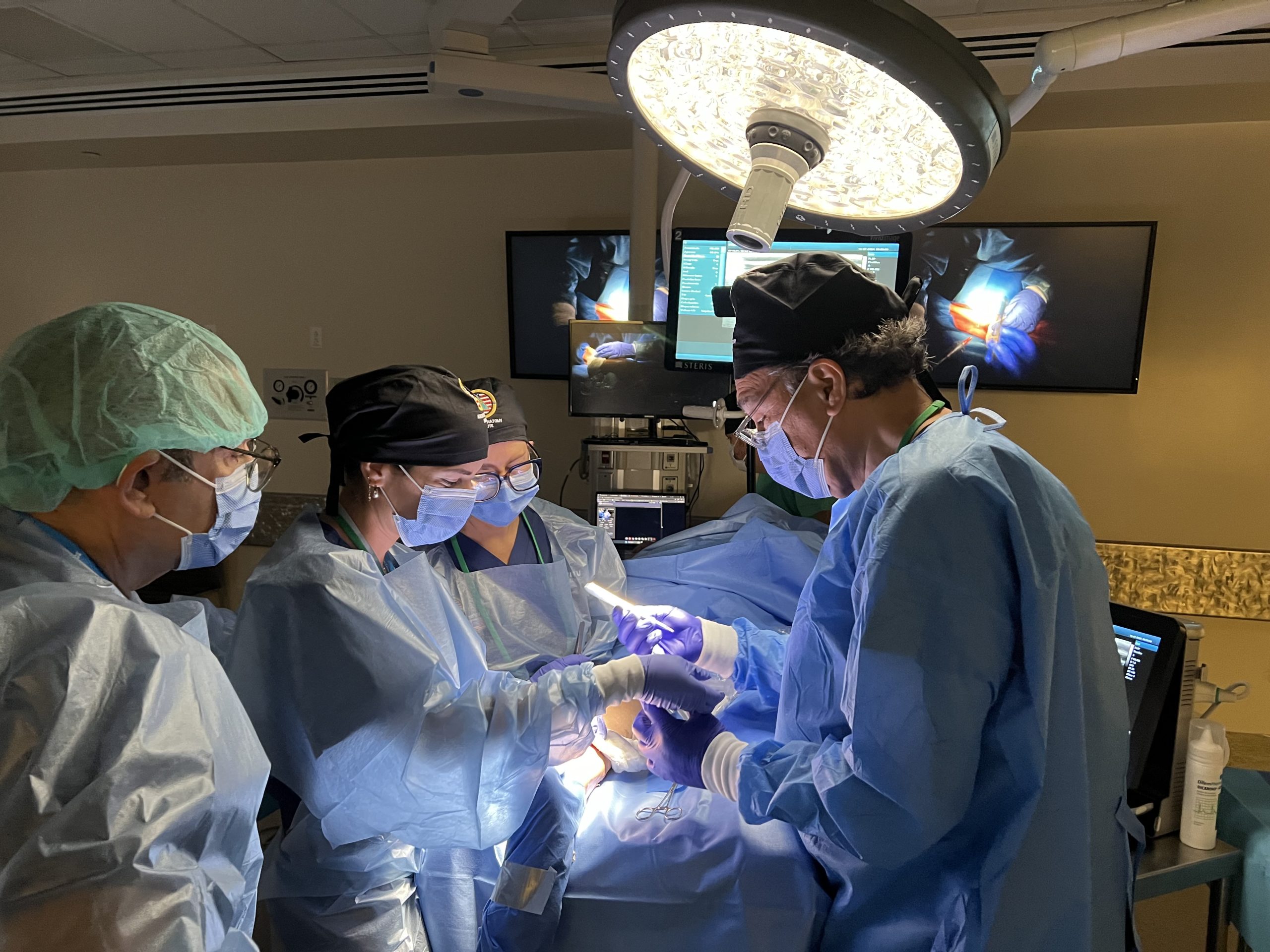
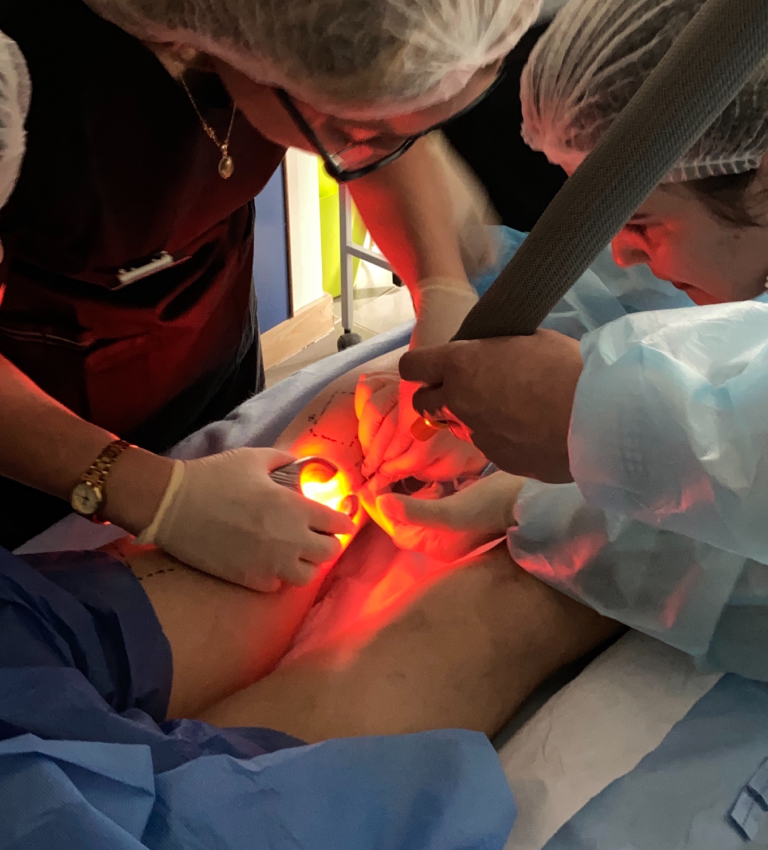
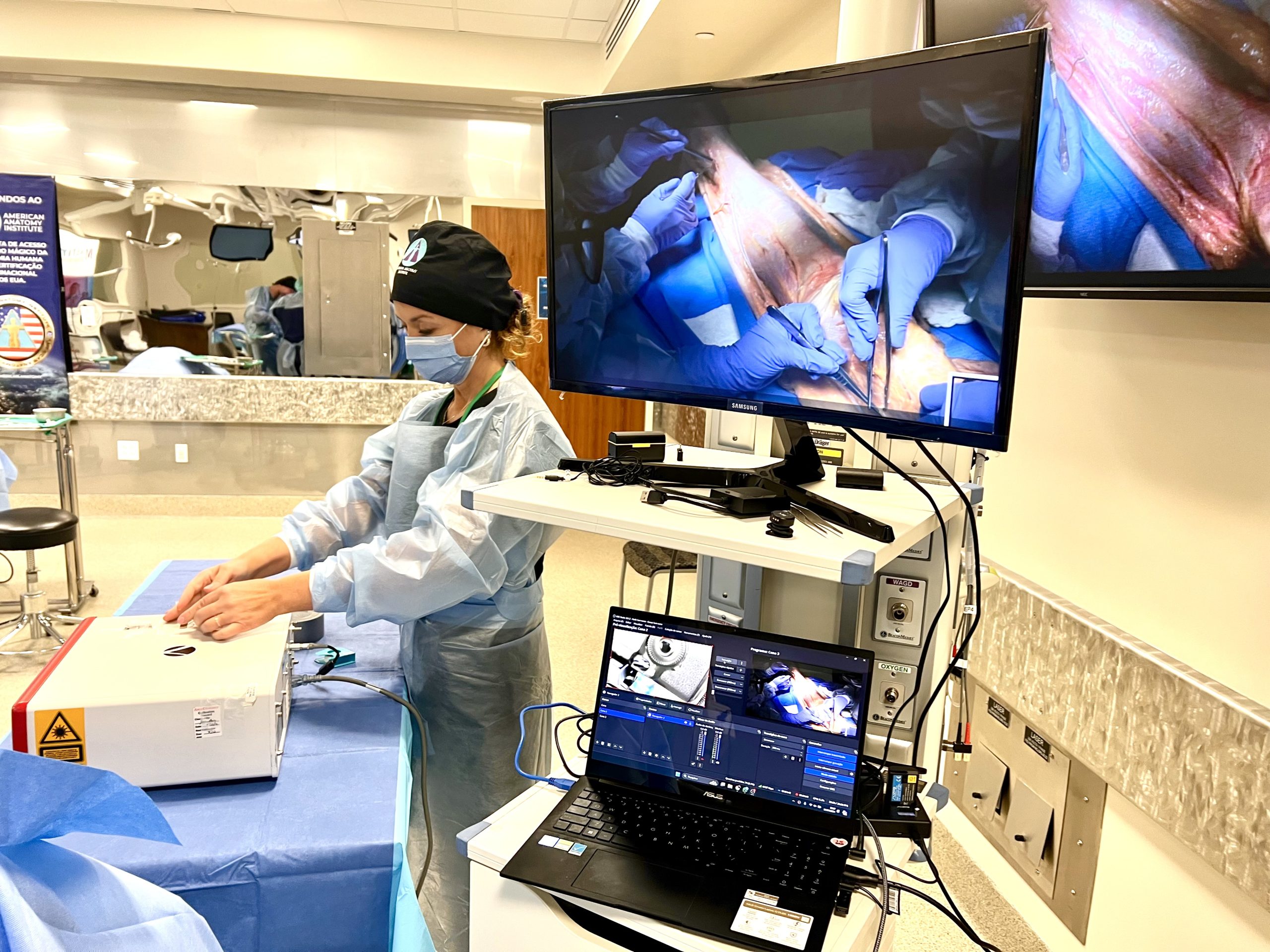
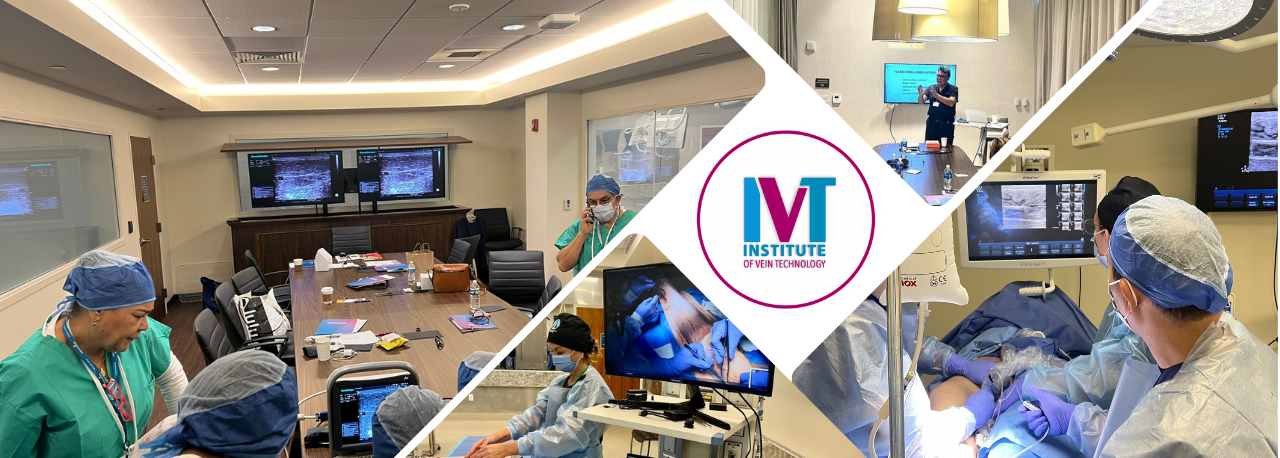
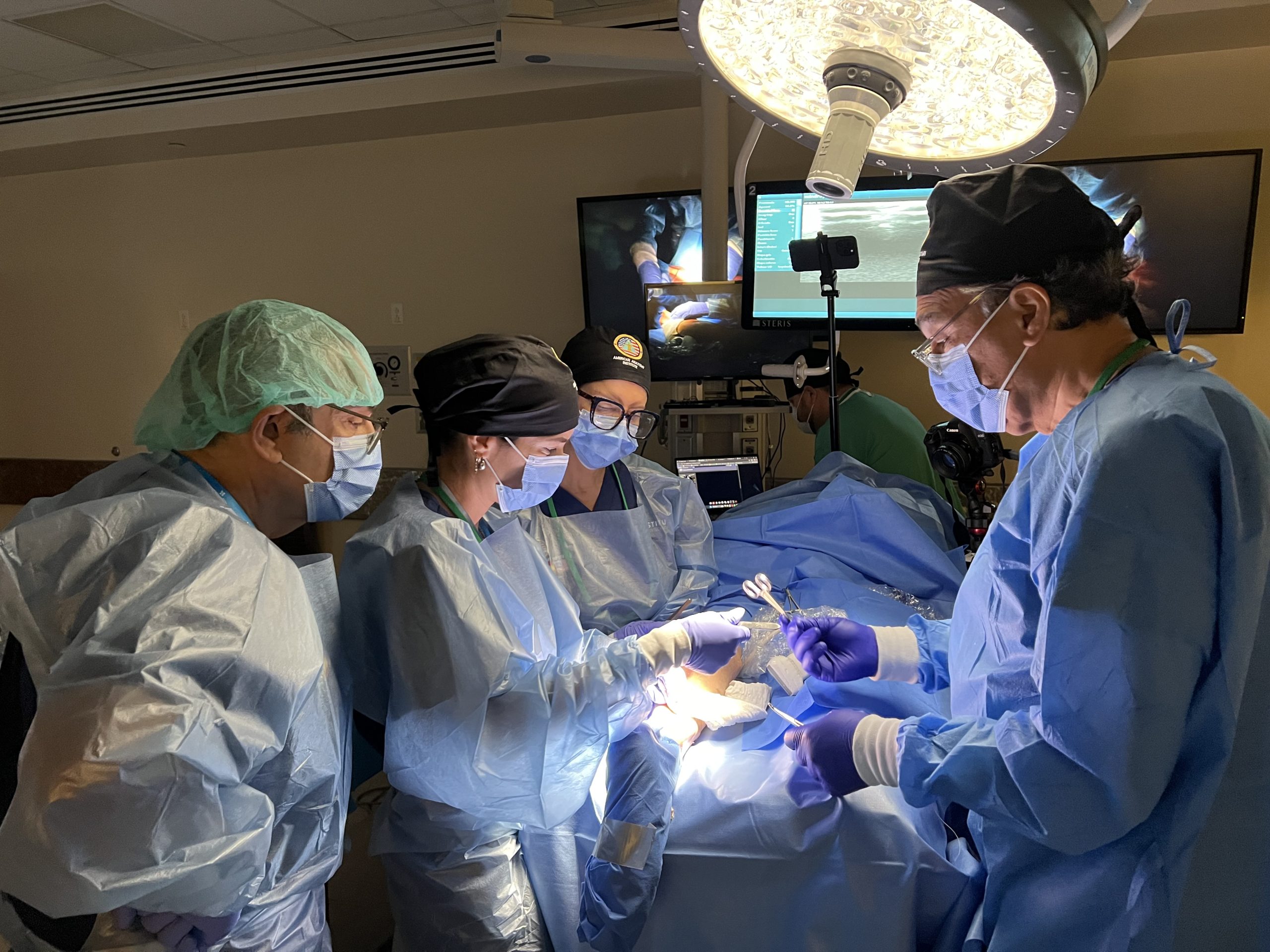
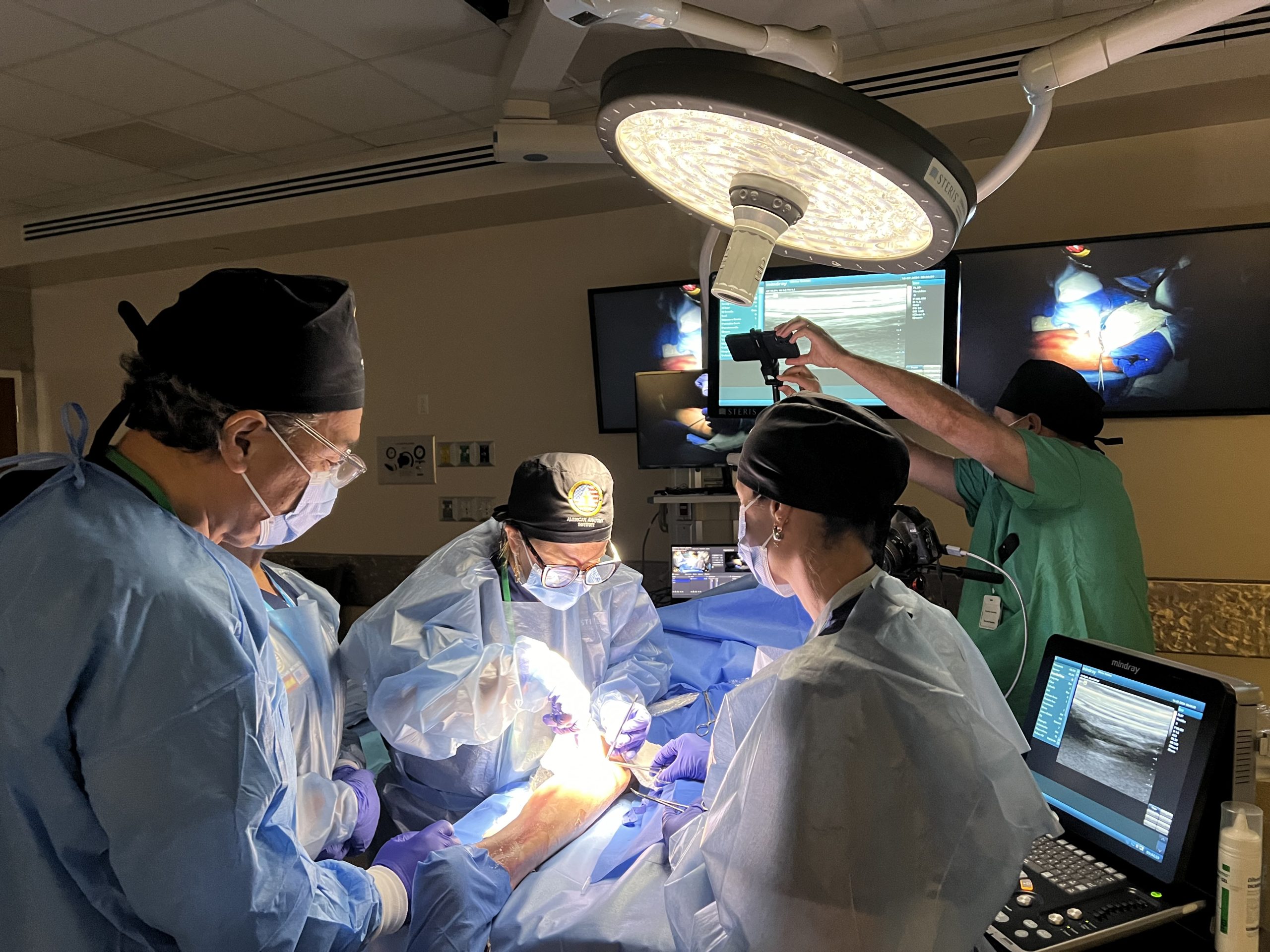
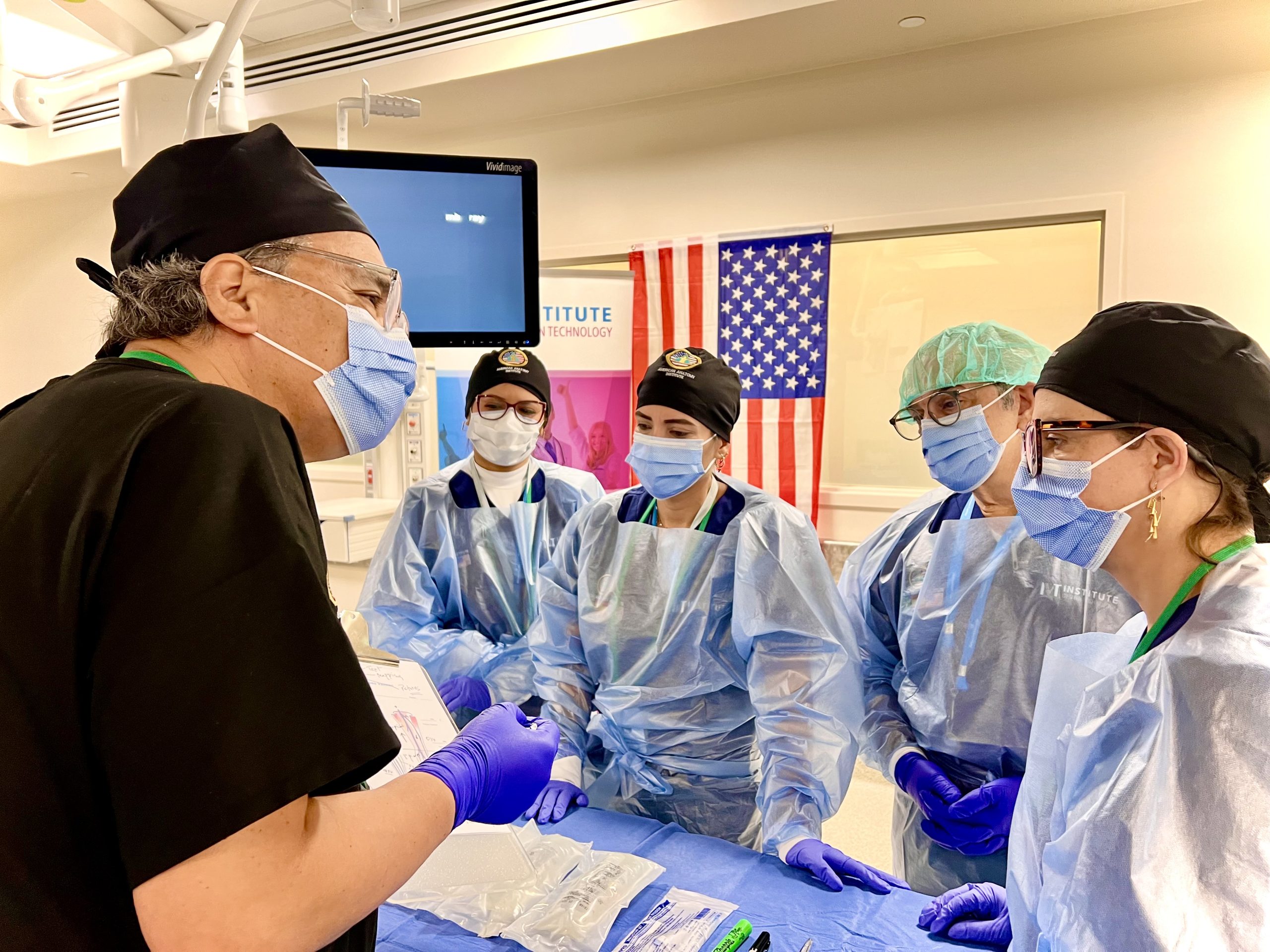
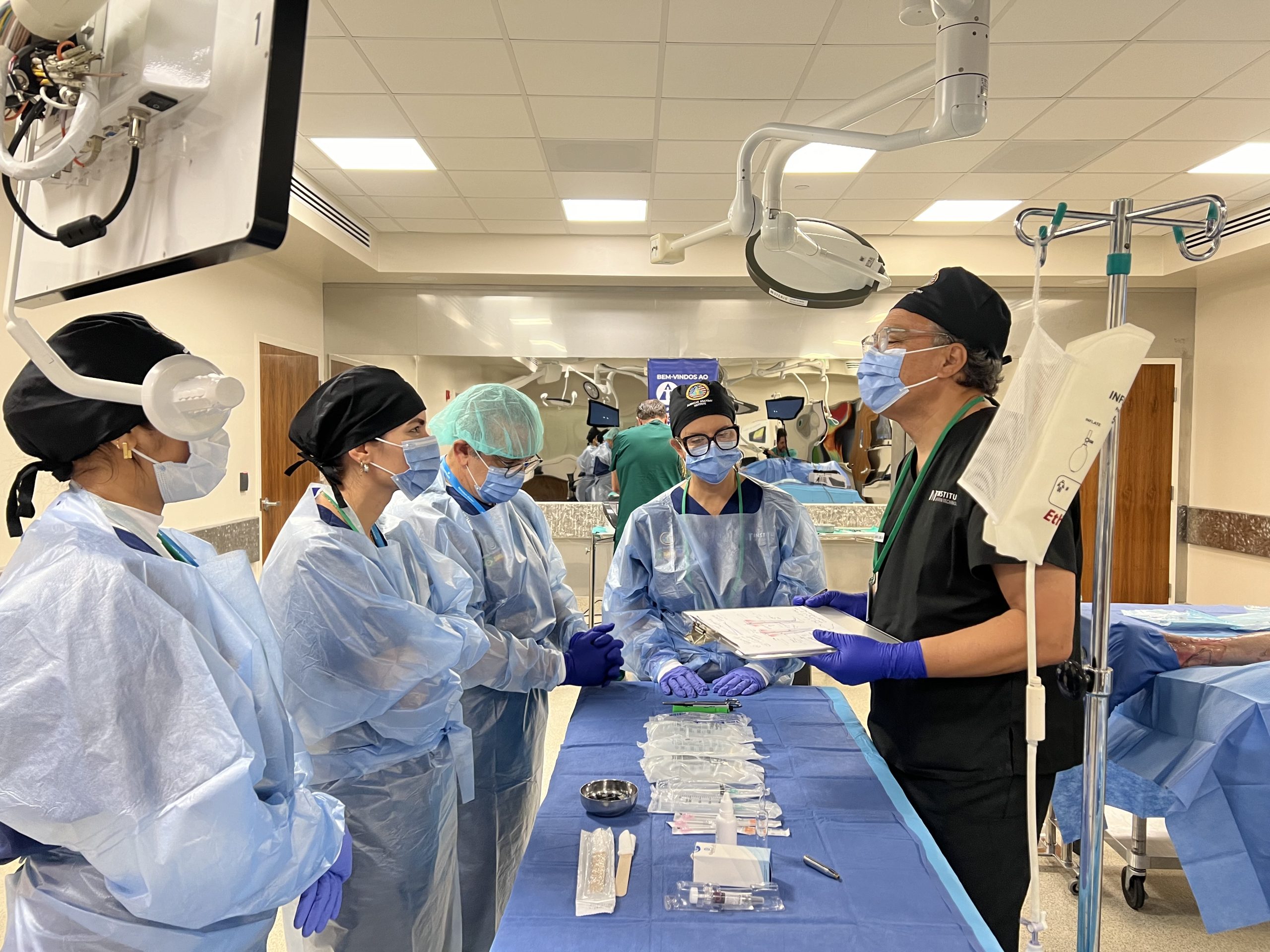
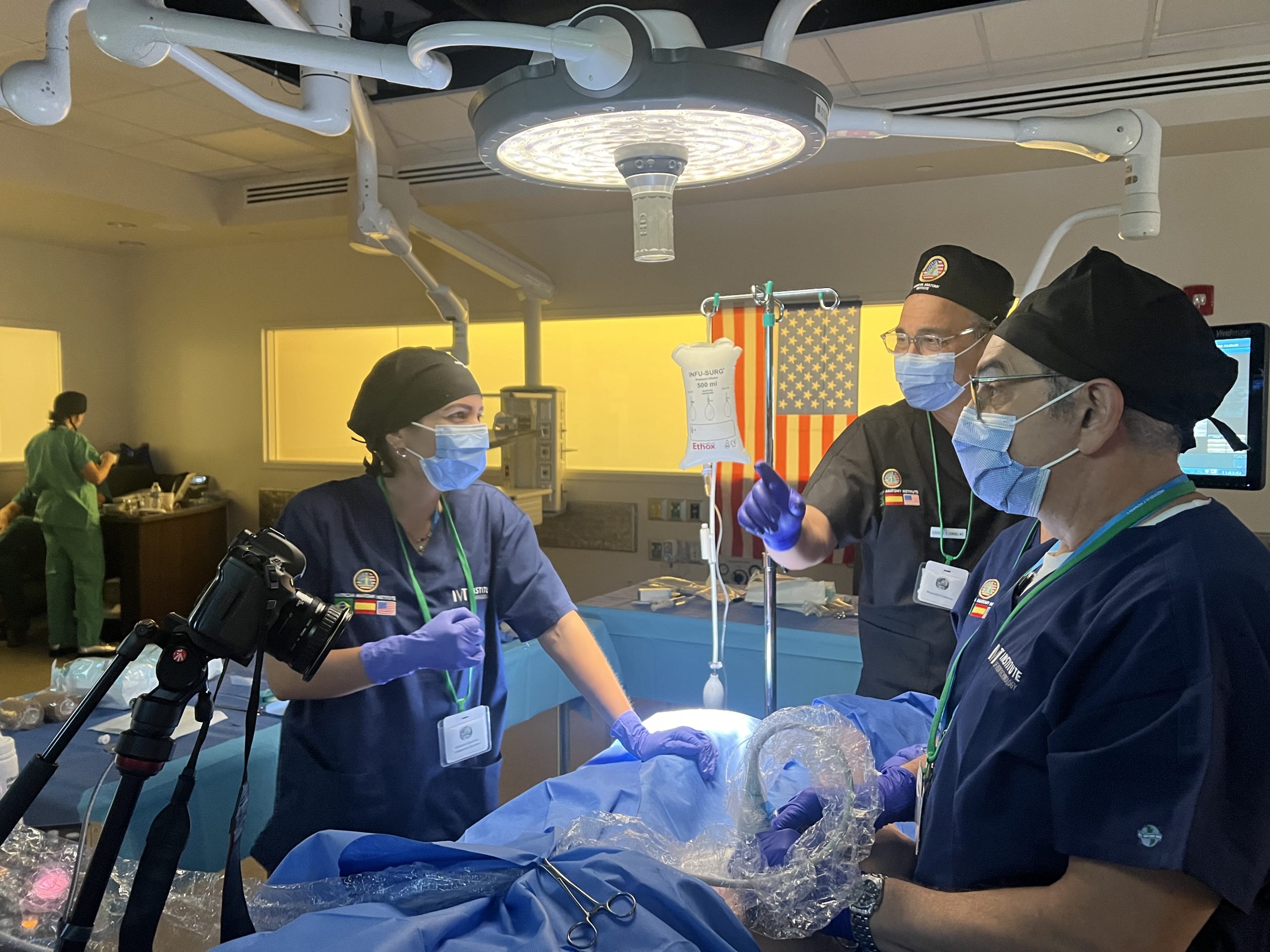
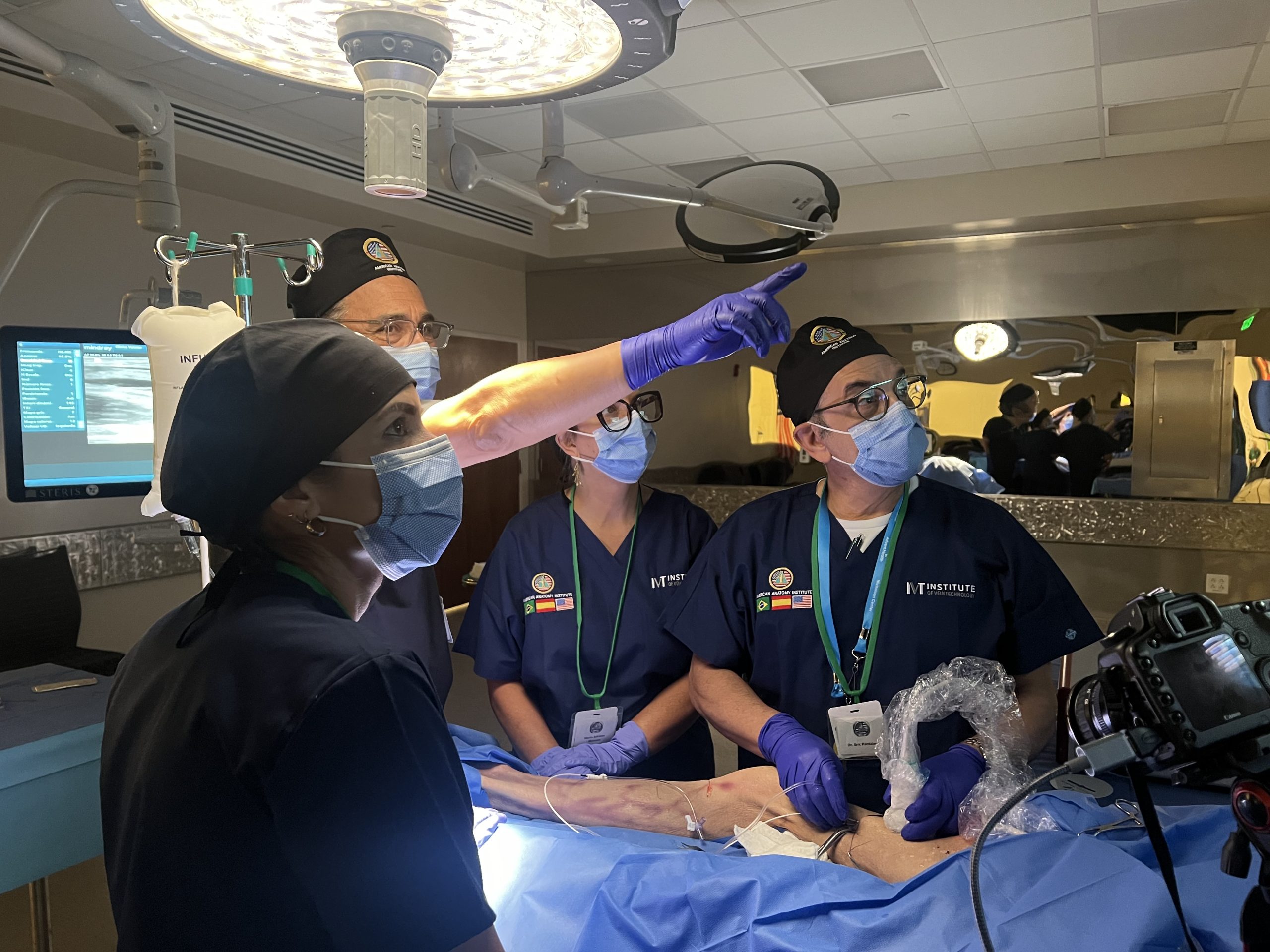
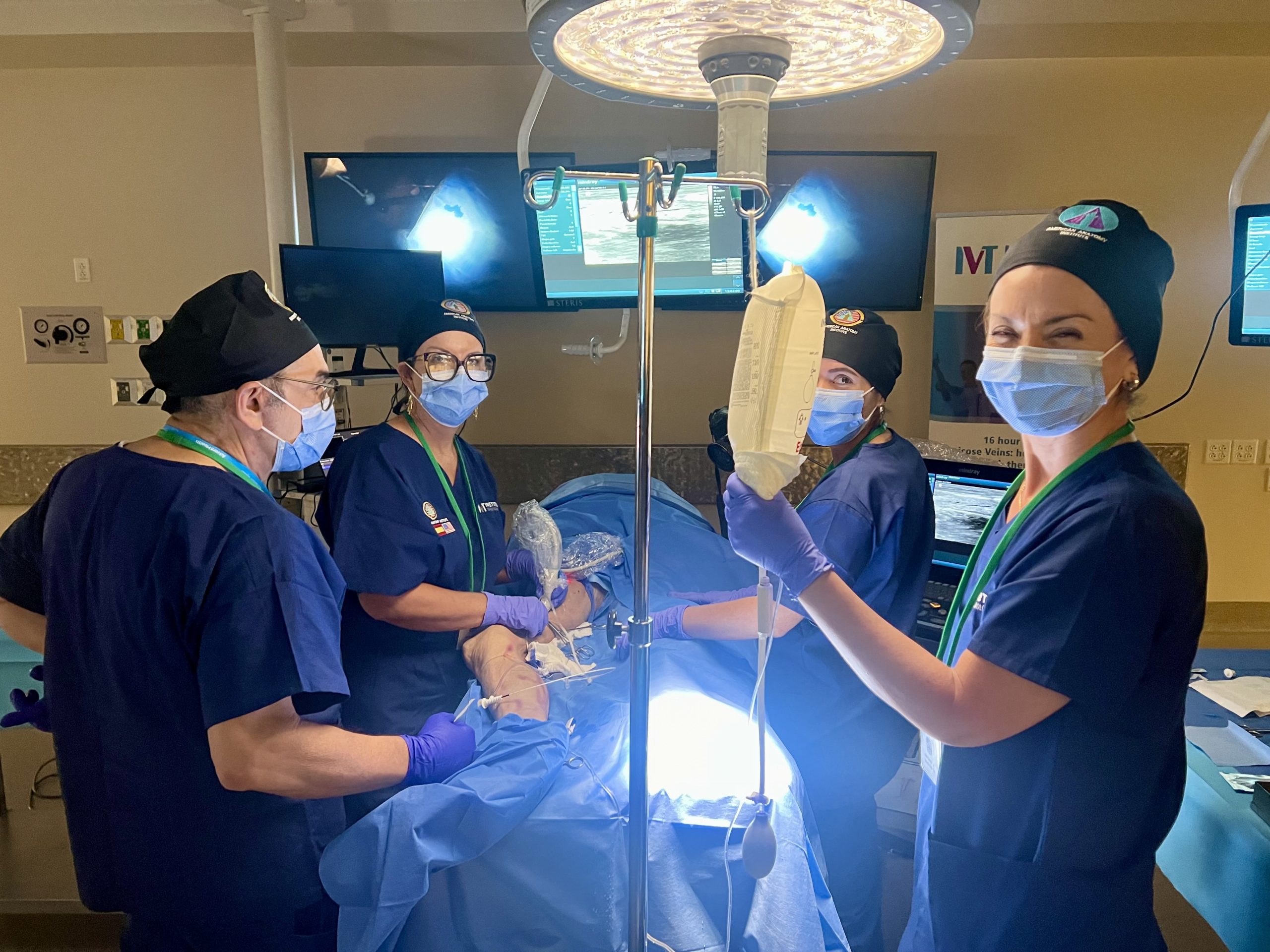
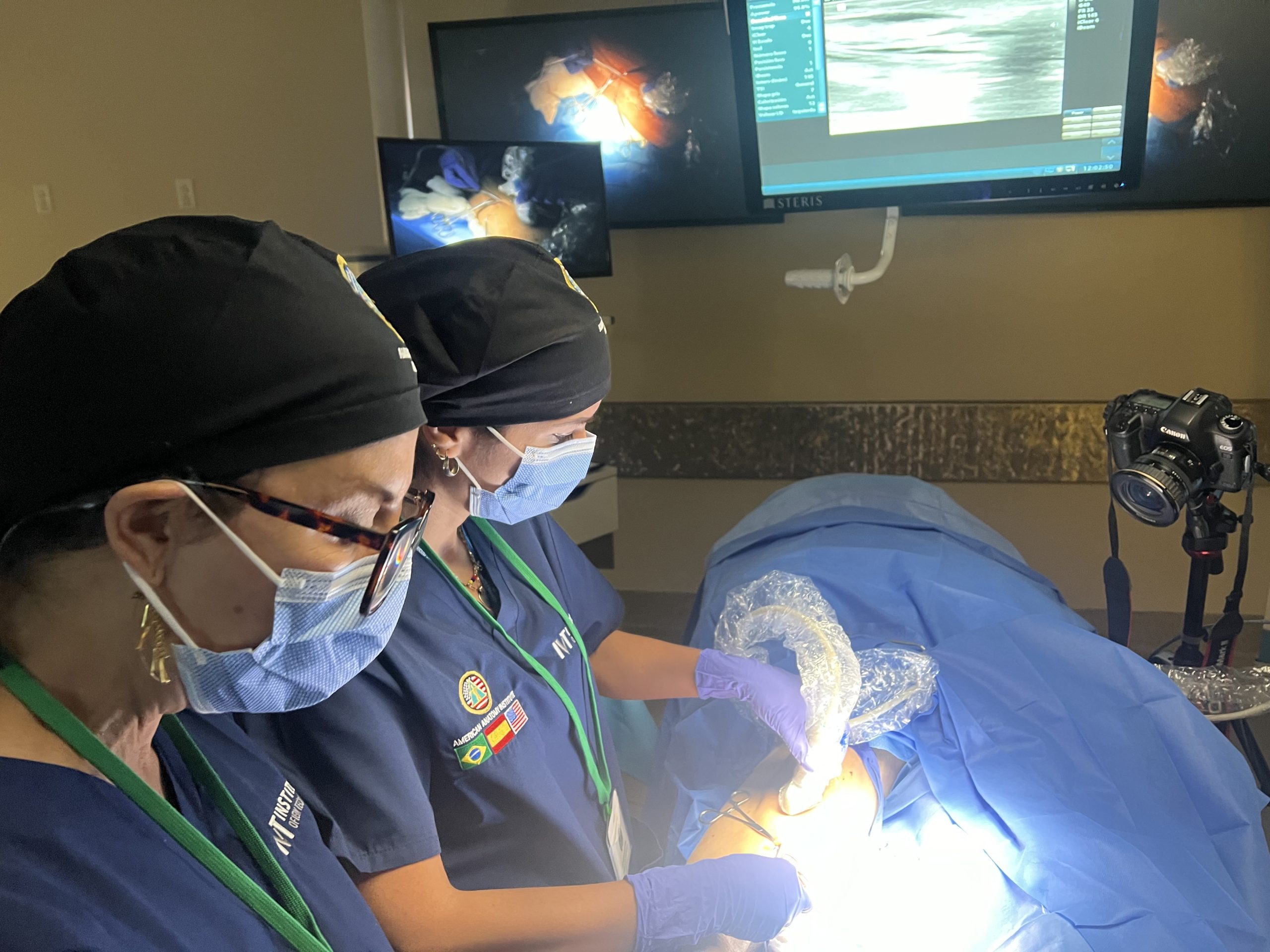
Participants rotate through guided practical stations, where they practice peripheral IV placement techniques under expert supervision.

This hands-on component ensures participants gain real procedural experience and clinical confidence. 
Learning Outcomes

Upon completion of the program, participants will be able to:

  1. Identify appropriate candidates for peripheral intravenous access procedures.
  2. Select optimal veins and insertion sites based on patient anatomy and clinical context.
  3. Safely perform peripheral IV catheter placement using standardized clinical protocols.
  4. Apply ultrasound guidance to assist with vein identification and access.
  5. Implement appropriate procedural preparation and sterile technique.
  6. Manage patient comfort during IV insertion procedures.
  7. Recognize and prevent common complications associated with IV access.
Key Skills Acquired

Participants will develop practical competencies including:

  • Peripheral vein assessment and selection
  • Safe IV catheter insertion techniques
  • Ultrasound-guided vein identification
  • Equipment preparation and procedural setup
  • Patient comfort management during procedures
  • Post-procedure care protocols
  • Complication recognition and prevention
  • Integration of IV access skills into clinical workflows

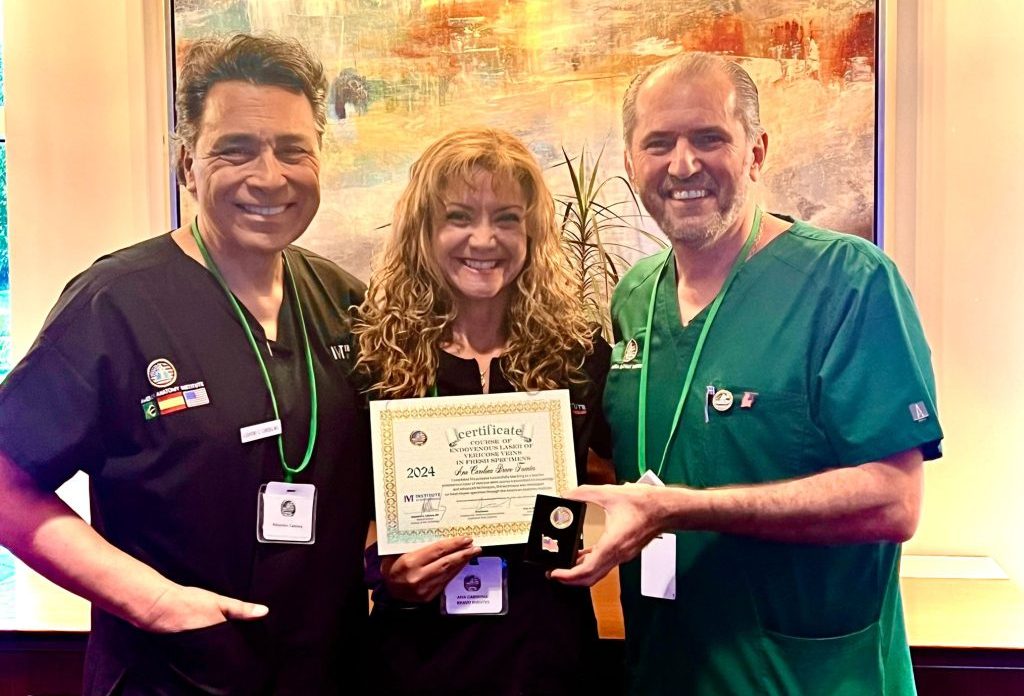
Ana Carolina Bravo

RN, Instructor IVT

Why This Course Is Unique

This program provides a structured and clinically focused approach to mastering one of the most essential procedures in healthcare.

Hands-on procedural training
Participants gain direct experience performing IV insertion techniques in guided training sessions.

Integration of ultrasound technology
The program introduces ultrasound guidance as an advanced tool to improve success rates in IV access procedures.

Clinical decision-making focus
Participants learn not only how to perform the procedure but also how to select the correct vein and insertion site.

Interprofessional learning environment
The course brings together physicians, nurses, and allied healthcare professionals, reflecting real healthcare team dynamics.

Immediate applicability
Participants leave the program with skills that can be applied immediately in clinical practice.

Program Highlights

✔ Hands-on training in peripheral IV catheter placement
✔ Ultrasound-guided vein selection techniques
✔ Evidence-based clinical protocols for IV access
✔ CME-accredited medical education
✔ Training designed for real-world clinical practice
✔ International educational standards in procedural training

Why Healthcare Professionals Choose This Program

Healthcare professionals choose the IV Certification Course because safe and efficient intravenous access is fundamental to high-quality patient care.

Through structured instruction and guided hands-on training, participants develop the technical skills and clinical judgment required to perform IV insertion procedures with greater precision and confidence.
By strengthening this essential clinical competency, participants improve procedural success rates, enhance patient safety, and increase efficiency in everyday clinical practice.

research_01

Admissions Process

Personalized guidance from the very first contact.

At Institute of Vein Technology, we believe that excellence in training begins with proper academic guidance. That’s why our admissions process is not automatic. It is personalized, guided, and aligned with each student’s professional goals.

campus_life_12
cme_02
cropped-logo_ivt_01.png

Enrollment Process

Step 1 · Interview Request

The process begins by requesting an interview with the Institute’s Director, Dr. Alejandro Cabrera, using the button available on our website.

When requesting the interview, the applicant must complete a form with their professional background, prior experience, and area of interest. This information allows us to understand their profile and prepare a meaningful academic discussion.

Step 2 · Interview with the Director

The interview plays a key role in the admissions process.
During this meeting, Dr. Alejandro Cabrera:

This step ensures that each participant enrolls in the most appropriate course, maximizing learning outcomes while maintaining the Institute’s high academic standards. The interview is essential to align the applicant’s expectations with the educational value provided by the Institute of Vein Technology, helping ensure a meaningful benefit for the student.

Step 3 · Acceptance Letter and Enrollment Terms

After the interview and once the application has been approved, the student will receive an email containing:

After completing this step, the student will receive access credentials to the course’s academic materials, allowing them to prepare before the program begins.

Step 4 · Course Completion and Certification
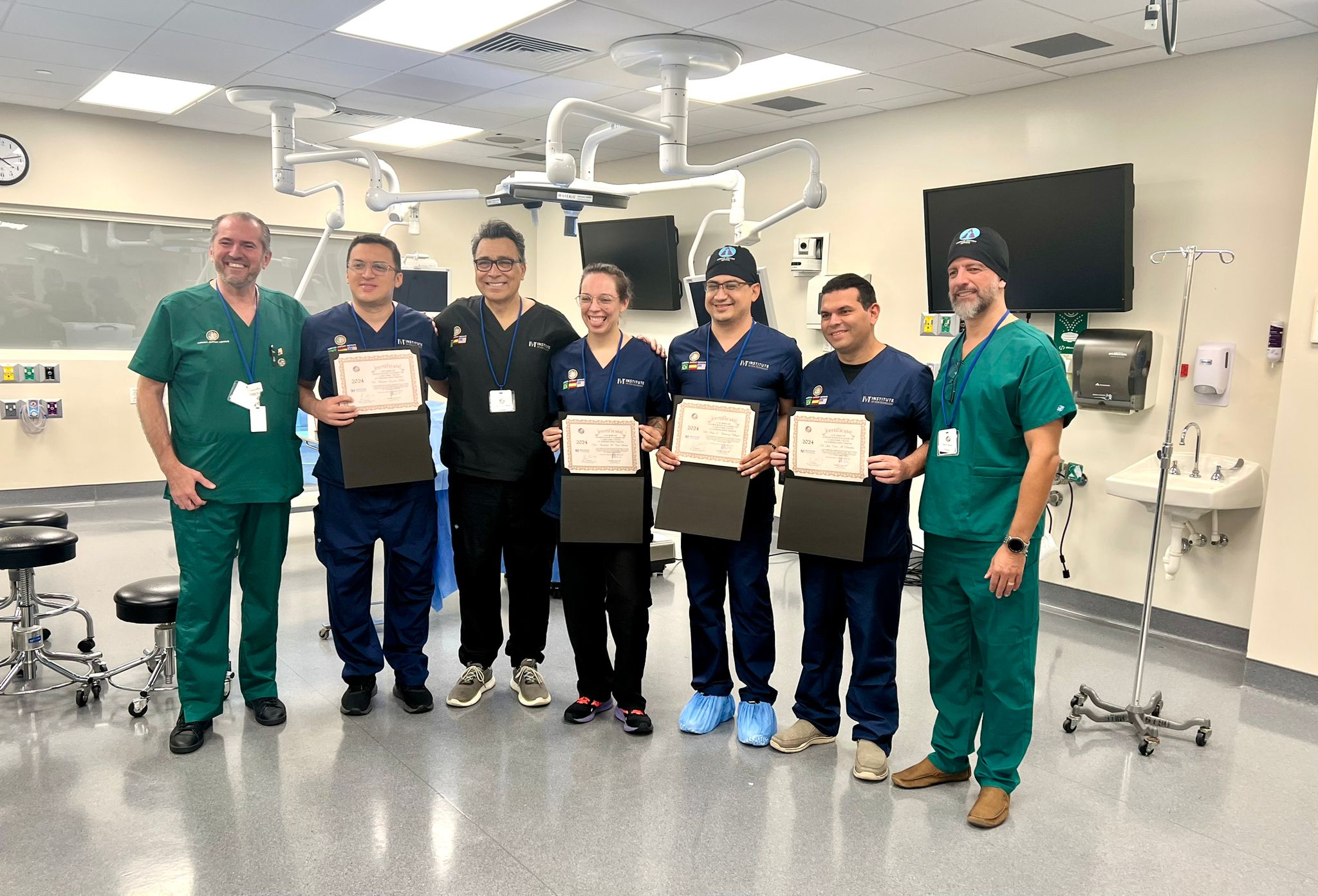
After successfully completing and passing the course, the student will receive:

both sent directly to their email address.

These certificates confirm participation and successful completion of the program in accordance with the academic standards of the Institute of Vein Technology.

ADMISSIONS

Enrollment Roadmap

A Process Designed for Your Success.
Our admissions process is designed to guide you from the very first contact, ensure a learning experience aligned with your professional goals, and maintain a high-level academic environment. Request your interview and begin your training in Phlebology with the Institute of Vein Technology.

ind_laser_testimonoals_01
ind_laser_training_01