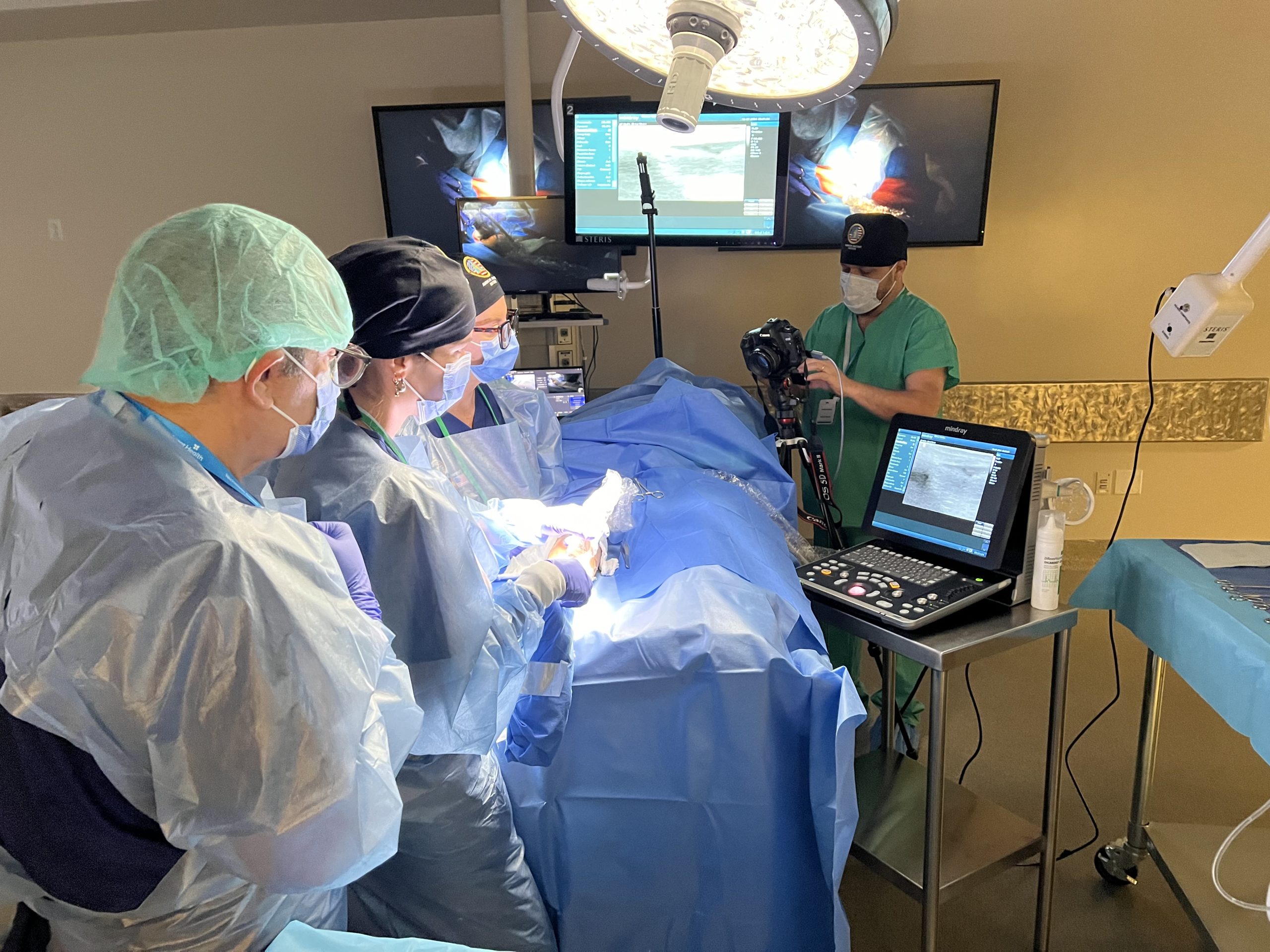
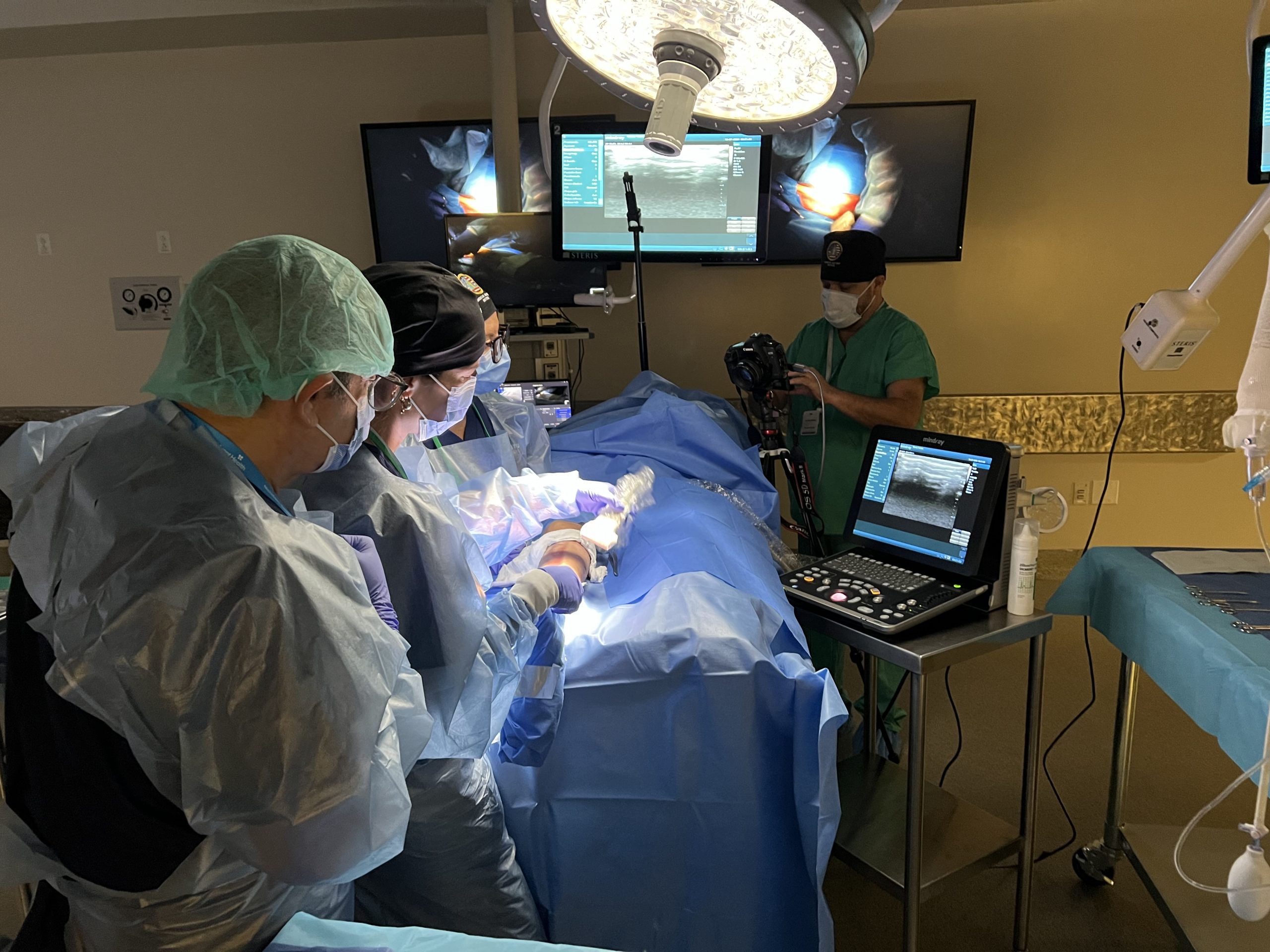
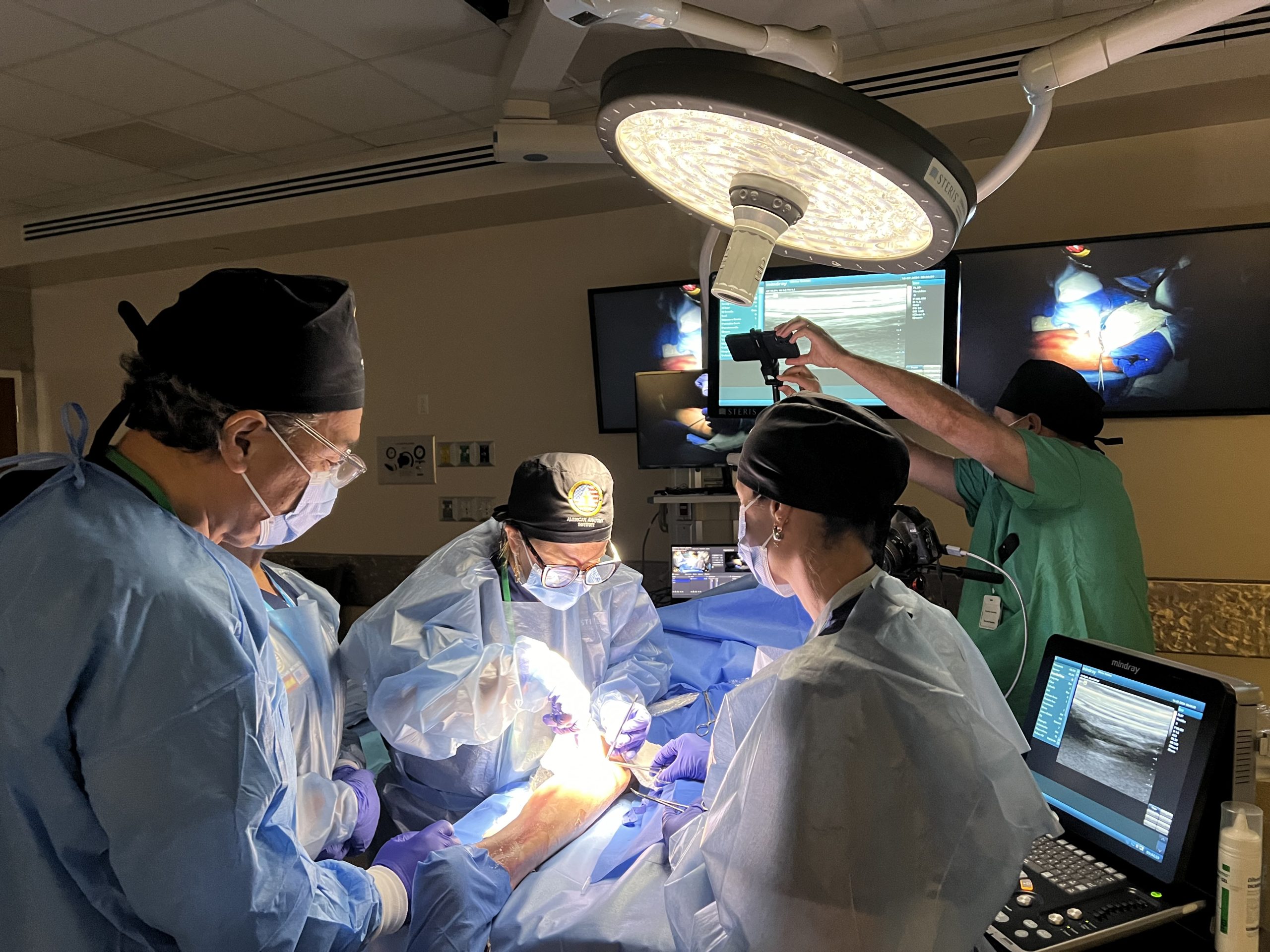
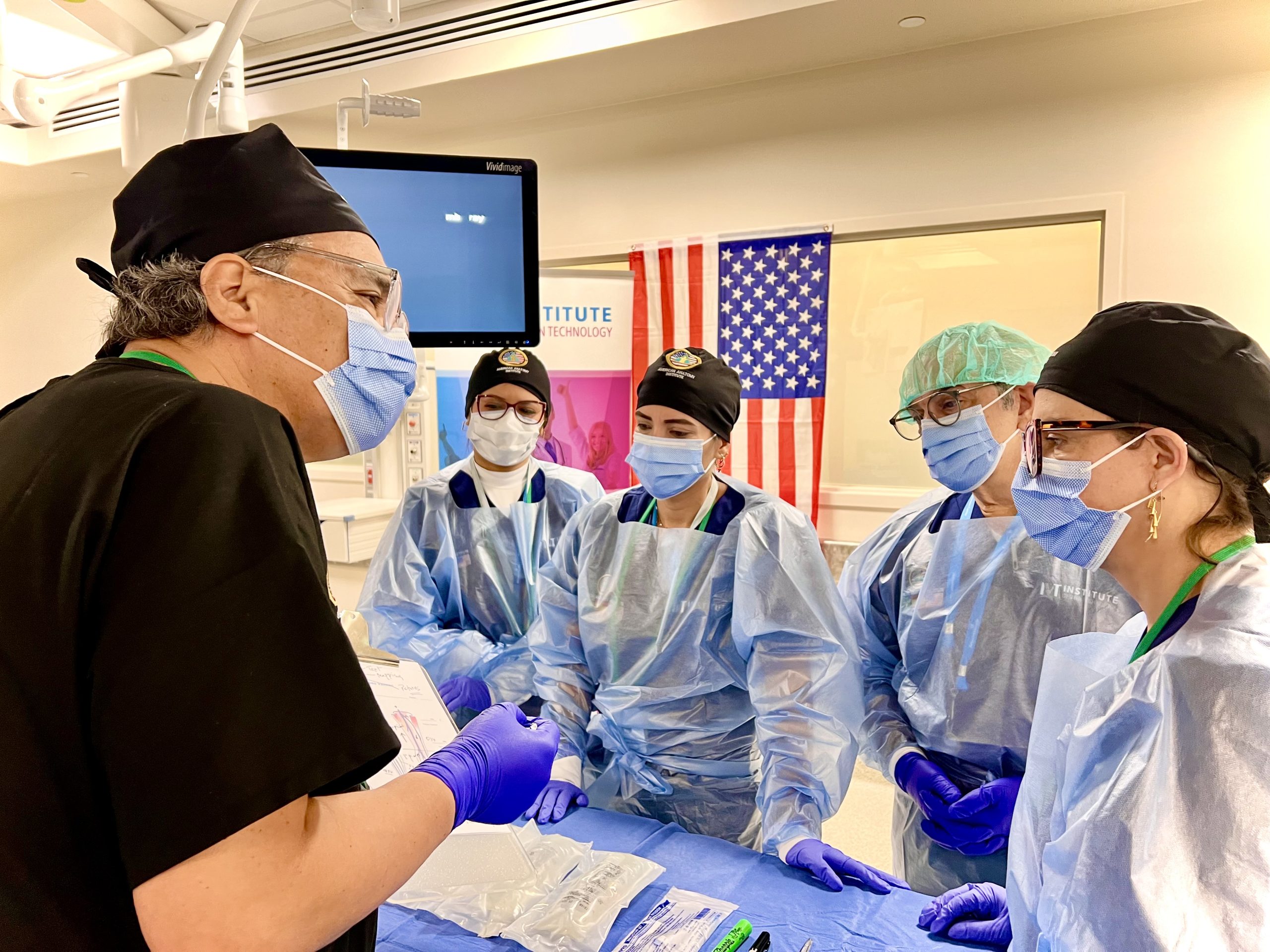
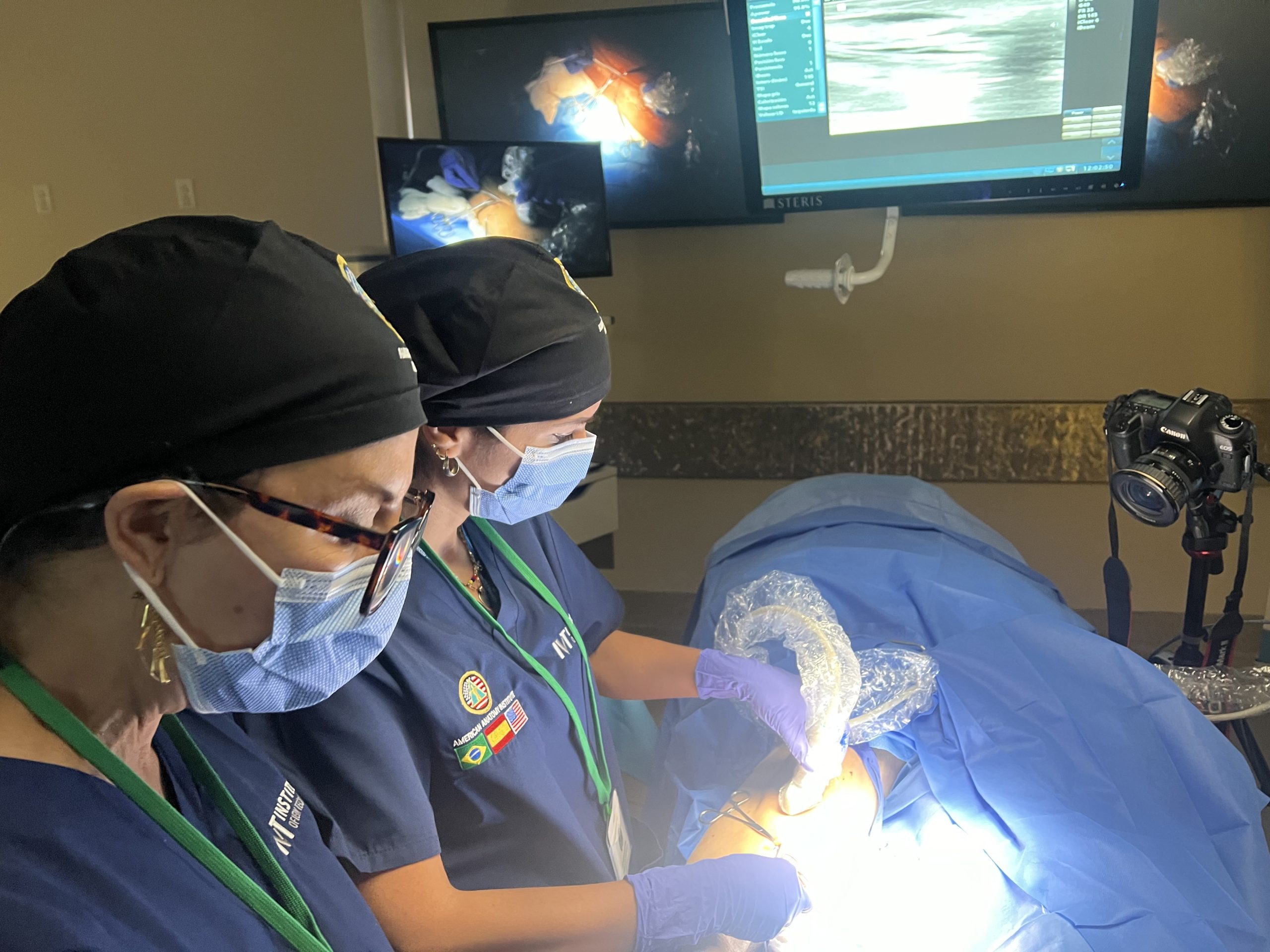
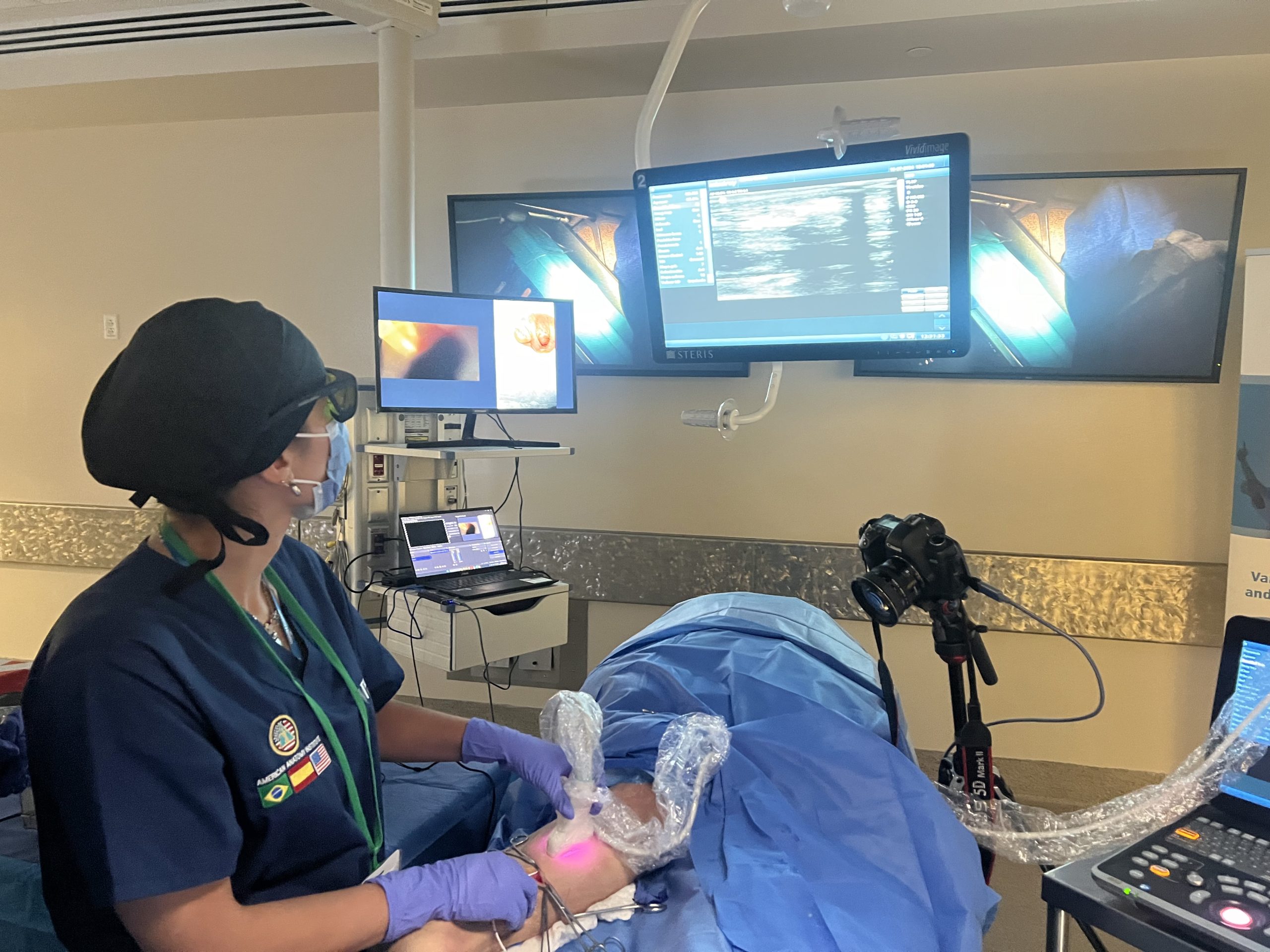
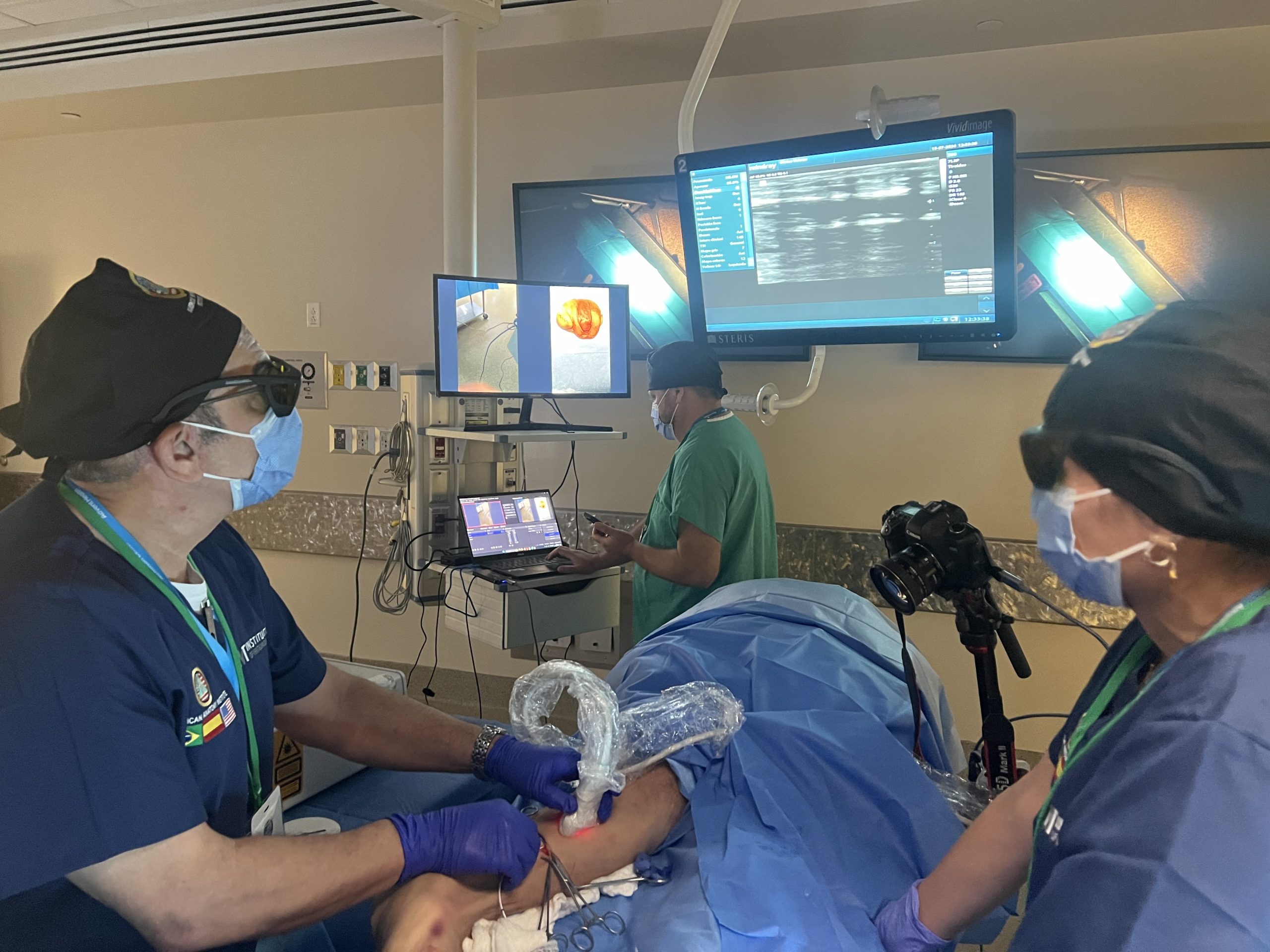
A comprehensive introductory program that provides healthcare professionals with the fundamental knowledge required to understand, diagnose, and manage venous disease in modern clinical practice.
Curriculum Overview
The curriculum is designed to provide a structured and clinically relevant introduction to venous disease, integrating anatomical knowledge, diagnostic reasoning, and modern treatment strategies.
The program is organized into thematic modules that progressively build participants’ understanding of phlebology.
Foundations of Venous Disease
Participants begin by exploring the epidemiology and clinical relevance of chronic venous disease, gaining an understanding of its prevalence, socioeconomic impact, and clinical importance in modern healthcare.
Venous Anatomy and Pathophysiology
The course provides a detailed review of venous and lymphatic anatomy, with a functional perspective that allows participants to understand how venous structures contribute to disease mechanisms.
Participants learn how venous reflux, valve dysfunction, and hemodynamic changes contribute to the development of varicose veins.
Clinical Recognition and Diagnostic Approach
Participants learn to recognize the most common clinical presentations of venous disease and to differentiate between true venous pathology and aesthetic conditions.
The program introduces the principles of Doppler ultrasound and systematic venous mapping, enabling participants to understand how imaging supports diagnostic accuracy and treatment planning.
Modern Treatment Strategies in Phlebology
The program reviews the evolution of modern venous treatments, including:
- Endovenous ablation of saphenous veins
- Ambulatory phlebectomy
- Sclerotherapy principles and pharmacologic agents
- Compression therapy in venous disease
- Aesthetic phlebology considerations
Complications and Clinical Decision-Making
Participants analyze the most frequent complications associated with venous procedures and learn strategies to prevent them through appropriate patient selection, technique, and clinical judgment.
Building a Modern Ambulatory Venous Practice
The course concludes with practical insights into the development of an outpatient venous practice, including clinical workflow, patient evaluation, and professional opportunities in modern phlebology.
Why This Course Is Unique
Several factors distinguish this program from conventional introductory courses.
Structured entry into modern phlebology
The program is designed as a true gateway into the field, offering participants a coherent and structured framework for understanding venous disease.
Clinically relevant education
Rather than focusing solely on theory, the curriculum connects anatomical and physiological knowledge with real clinical decision-making.
Evidence-based approach
The program emphasizes modern treatment strategies supported by current medical evidence and best practices.
Preparation for advanced training
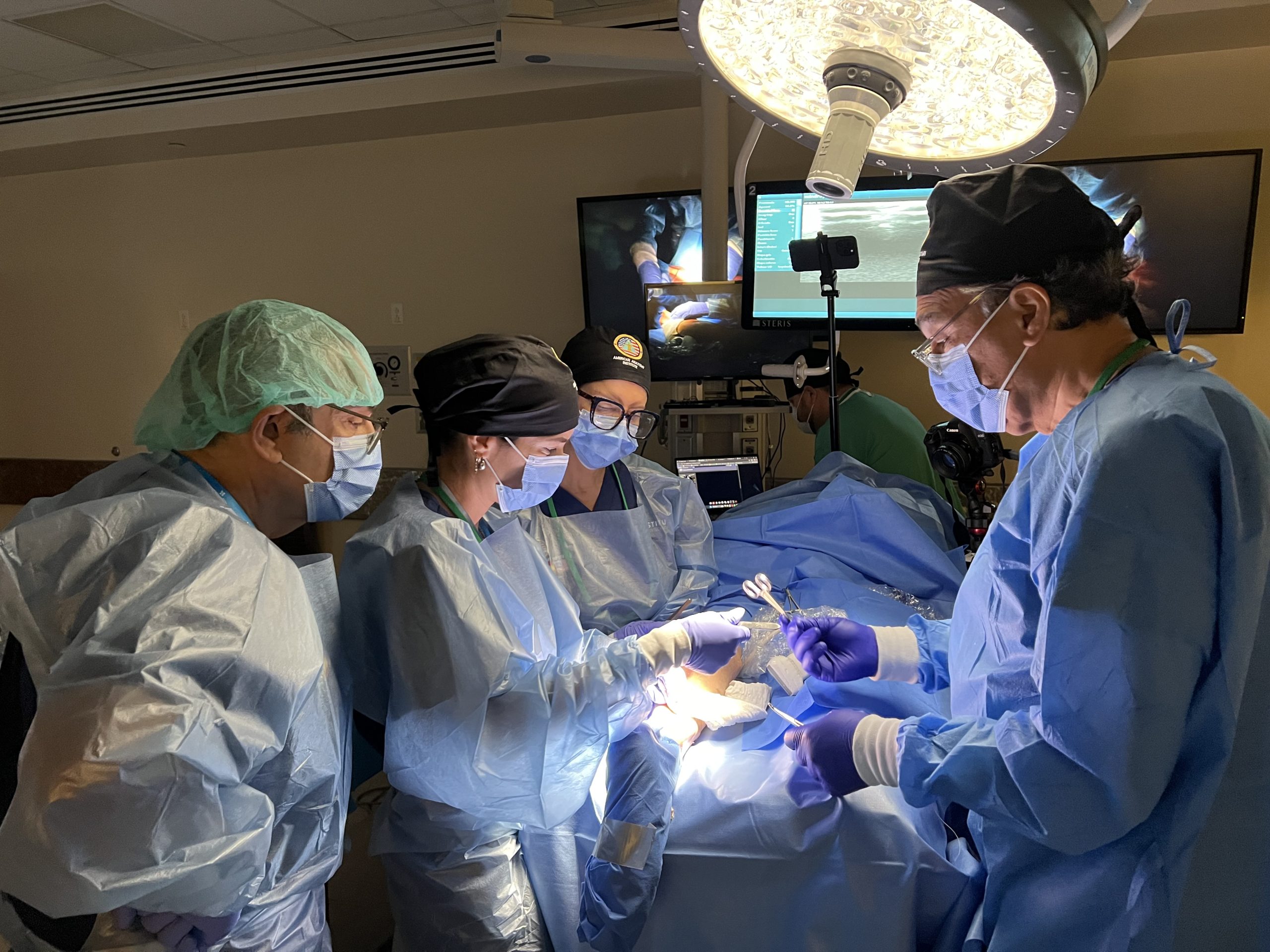
Participants leave the program prepared to continue their education through hands-on training in ultrasound diagnostics, sclerotherapy, and minimally invasive venous procedures.
International educational perspective
The course reflects global standards in venous medicine and prepares participants to practice in diverse healthcare environments.
Why Healthcare Professionals Choose This Program
Admissions Process
Personalized guidance from the very first contact.
At Institute of Vein Technology, we believe that excellence in training begins with proper academic guidance. That’s why our admissions process is not automatic. It is personalized, guided, and aligned with each student’s professional goals.
Enrollment Process
Step 1 · Interview Request
The process begins by requesting an interview with the Institute’s Director, Dr. Alejandro Cabrera, using the button available on our website.
When requesting the interview, the applicant must complete a form with their professional background, prior experience, and area of interest. This information allows us to understand their profile and prepare a meaningful academic discussion.
Step 2 · Interview with the Director
The interview plays a key role in the admissions process.
During this meeting, Dr. Alejandro Cabrera:
This step ensures that each participant enrolls in the most appropriate course, maximizing learning outcomes while maintaining the Institute’s high academic standards. The interview is essential to align the applicant’s expectations with the educational value provided by the Institute of Vein Technology, helping ensure a meaningful benefit for the student.
Step 3 · Acceptance Letter and Enrollment Terms
After the interview and once the application has been approved, the student will receive an email containing:
After completing this step, the student will receive access credentials to the course’s academic materials, allowing them to prepare before the program begins.
Step 4 · Course Completion and Certification
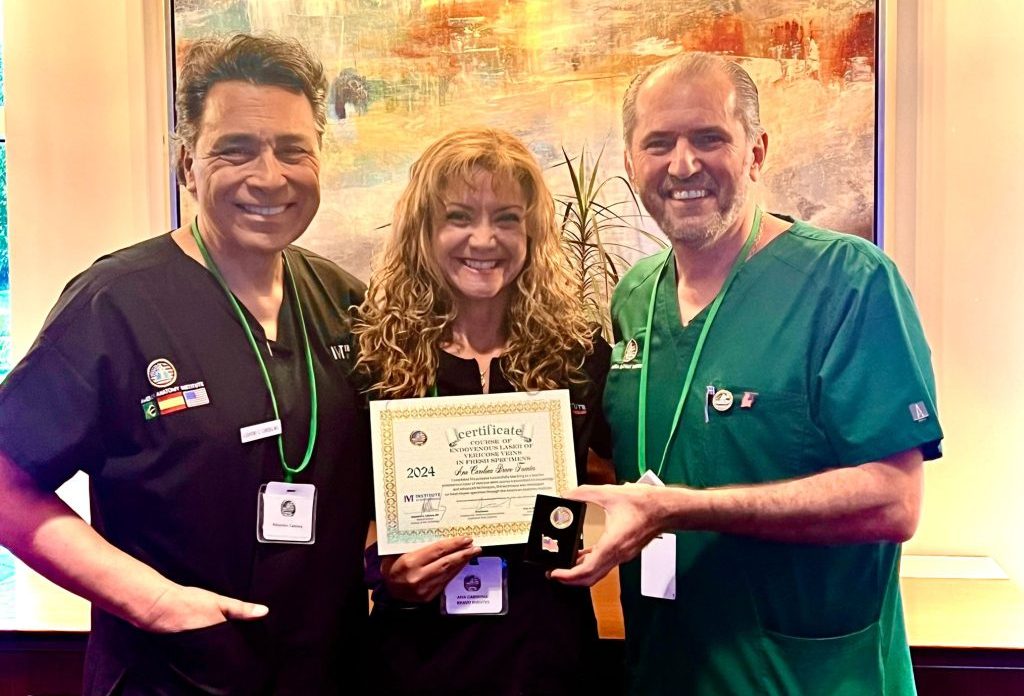
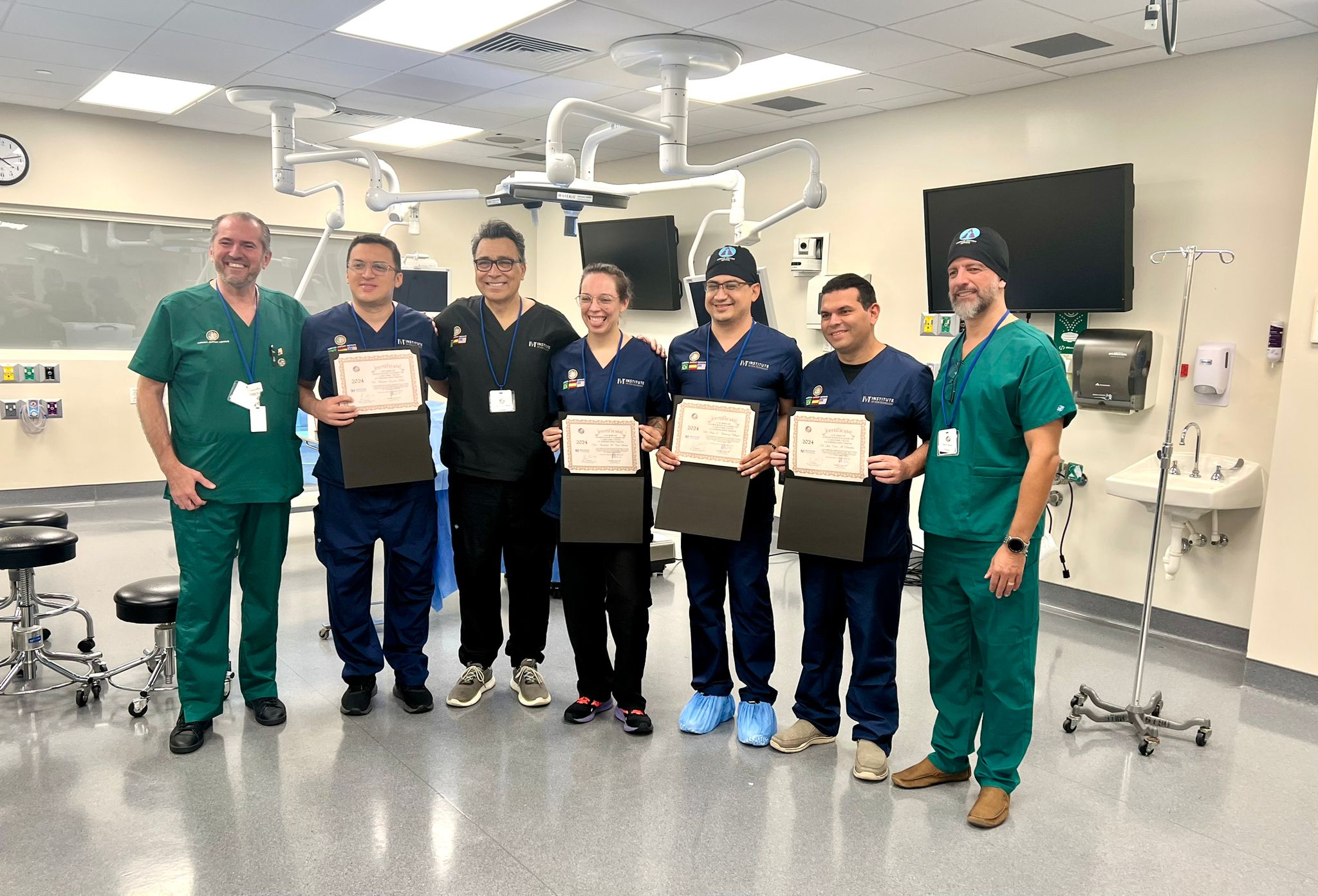
After successfully completing and passing the course, the student will receive:
both sent directly to their email address.
These certificates confirm participation and successful completion of the program in accordance with the academic standards of the Institute of Vein Technology.