An intensive hands-on medical training program designed to equip physicians with the knowledge and technical skills required to safely perform Endovenous Laser Treatment (EVLT) for varicose veins under ultrasound guidance.
Curriculum Overview
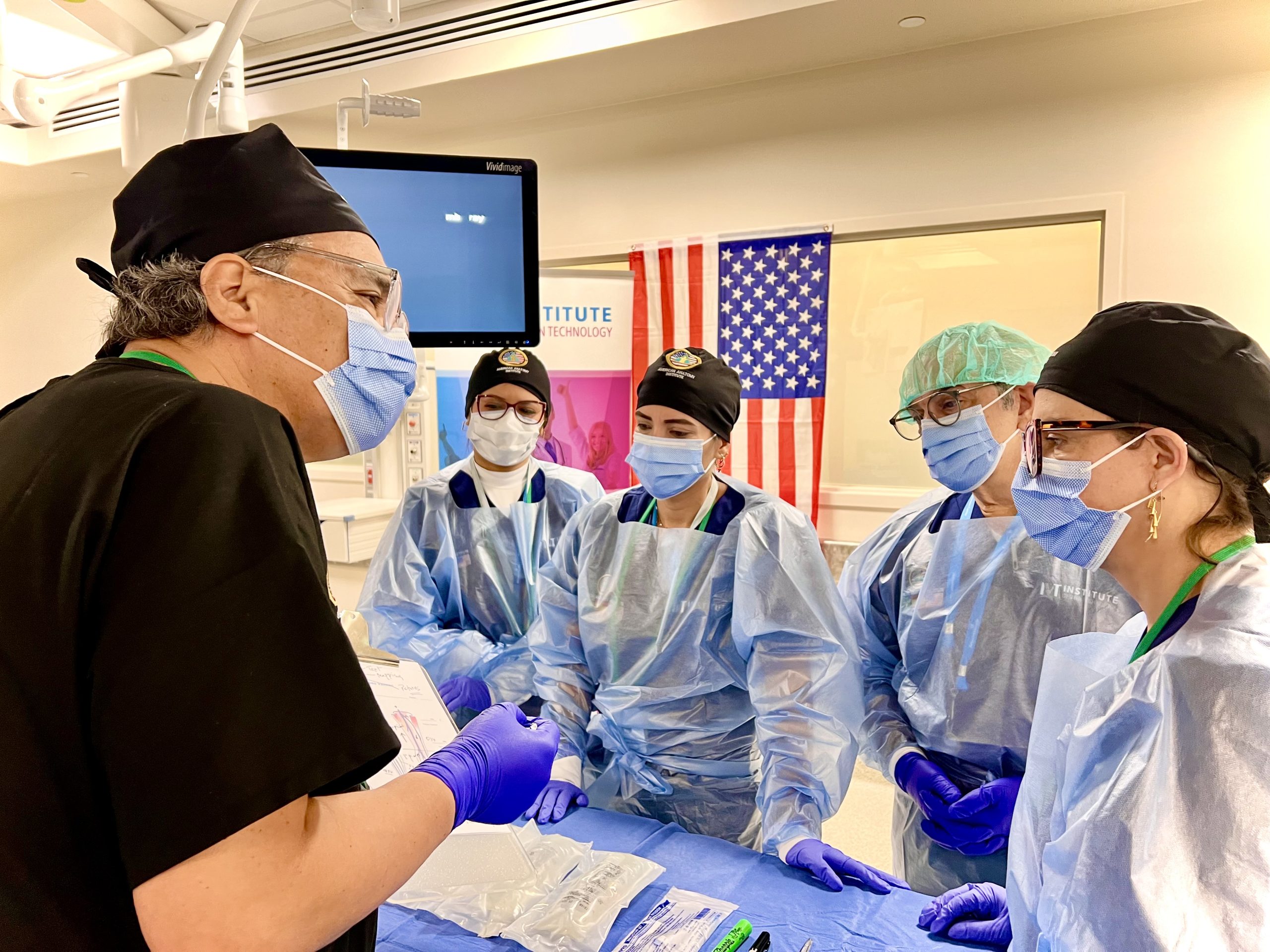
The program combines didactic instruction, anatomical education, and hands-on procedural training, allowing participants to progress from foundational knowledge to practical application.
Theoretical Foundations
The course begins with a comprehensive review of the venous anatomy and physiology relevant to phlebology, including:
- Deep venous system
- Superficial venous system
- Great saphenous vein anatomy
- Small saphenous vein anatomy
- Saphenofemoral and saphenopopliteal junctions
- Venous valvular system
- Perforating veins and collateral circulation
- Nerve structures relevant to venous procedures
Participants also explore venous histology and structural variations of vein walls and valves.
Technical and Procedural Training
The program introduces the clinical principles required to perform Endovenous Laser Treatment, including:
- Surgical setup and procedural workflow
- Endovenous laser devices and fiber technology
- Catheter and wire systems
- Tumescent anesthesia preparation and administration
- Procedural safety protocols
Hands-On Clinical Training
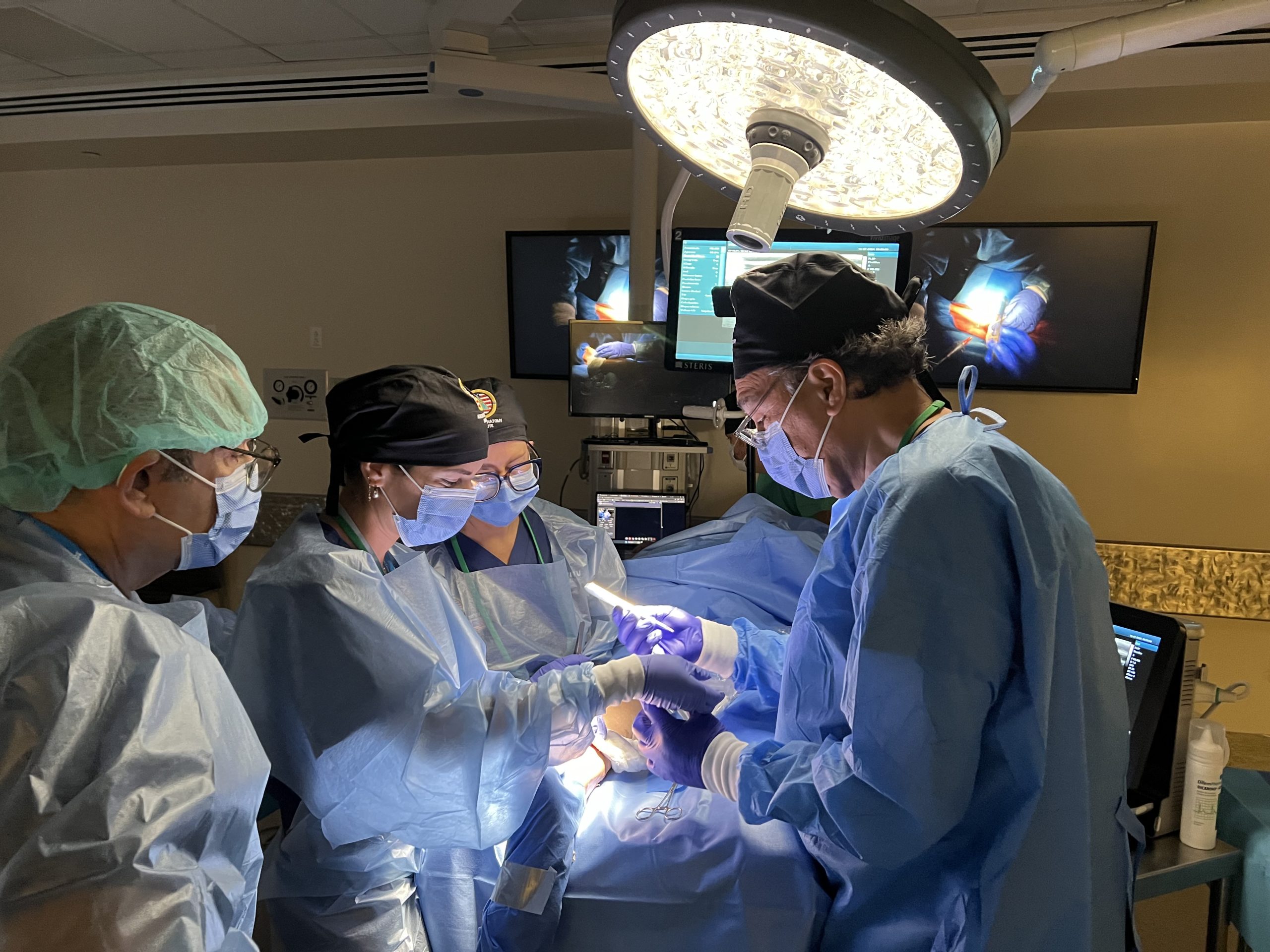
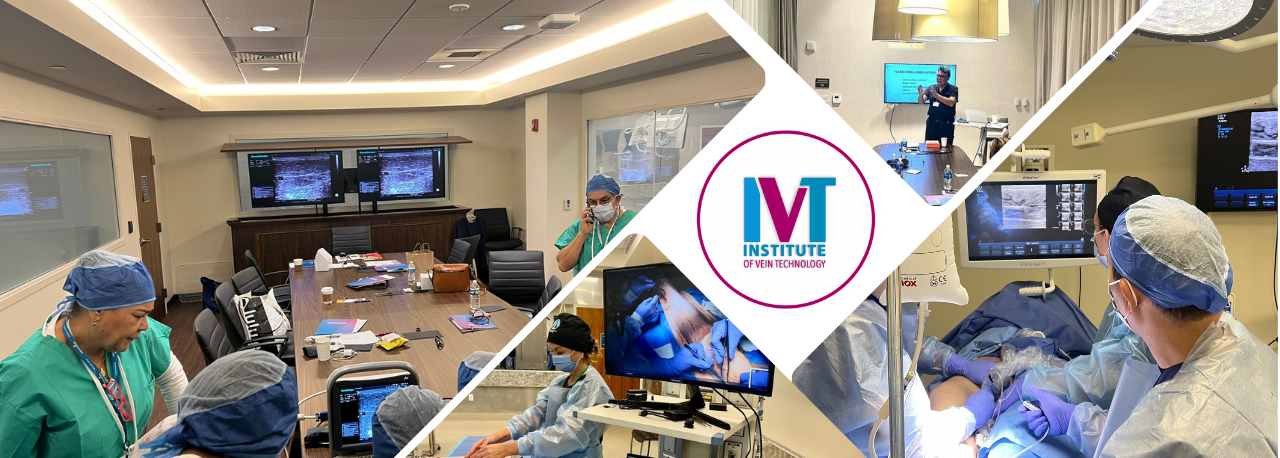
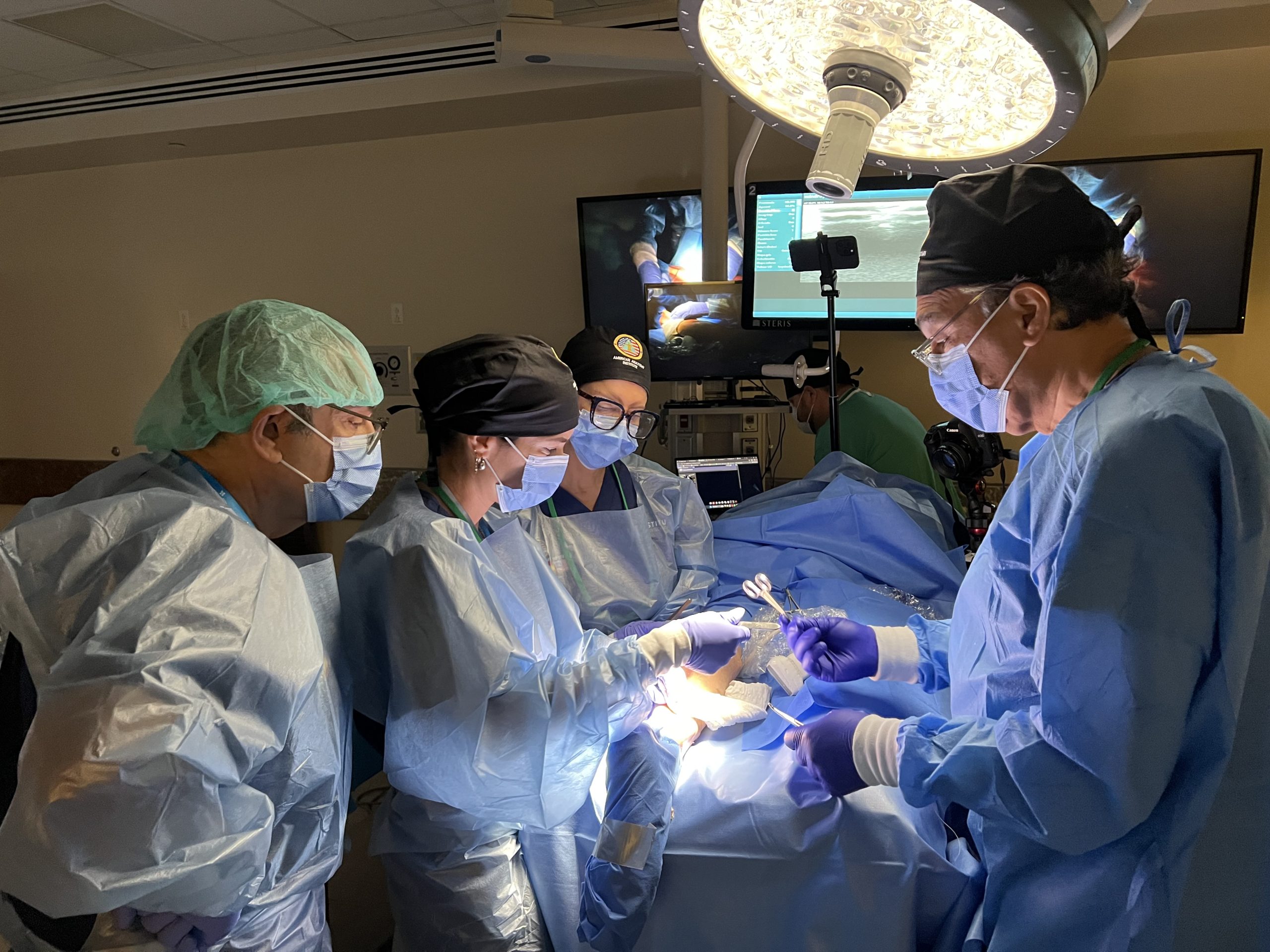
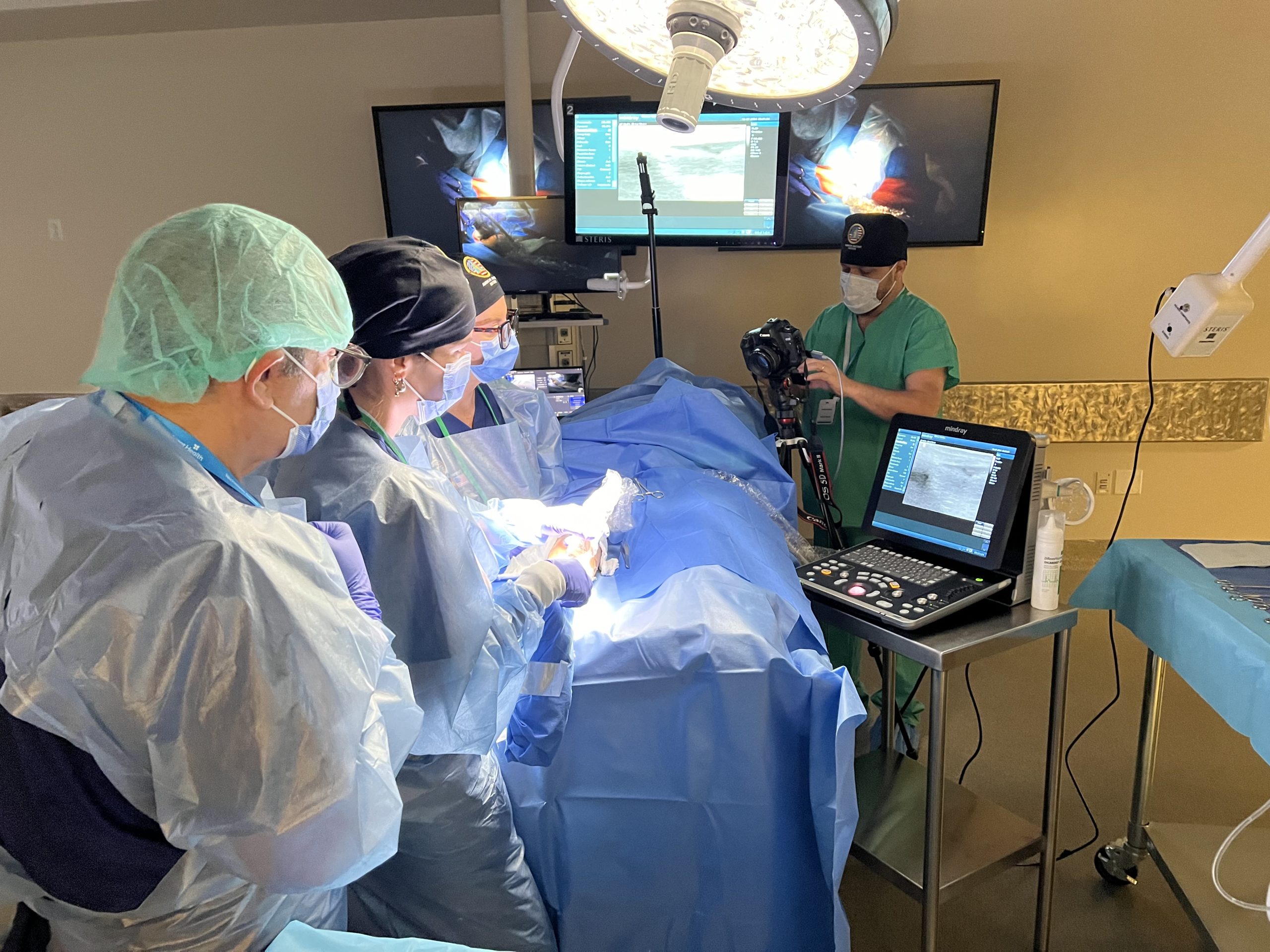
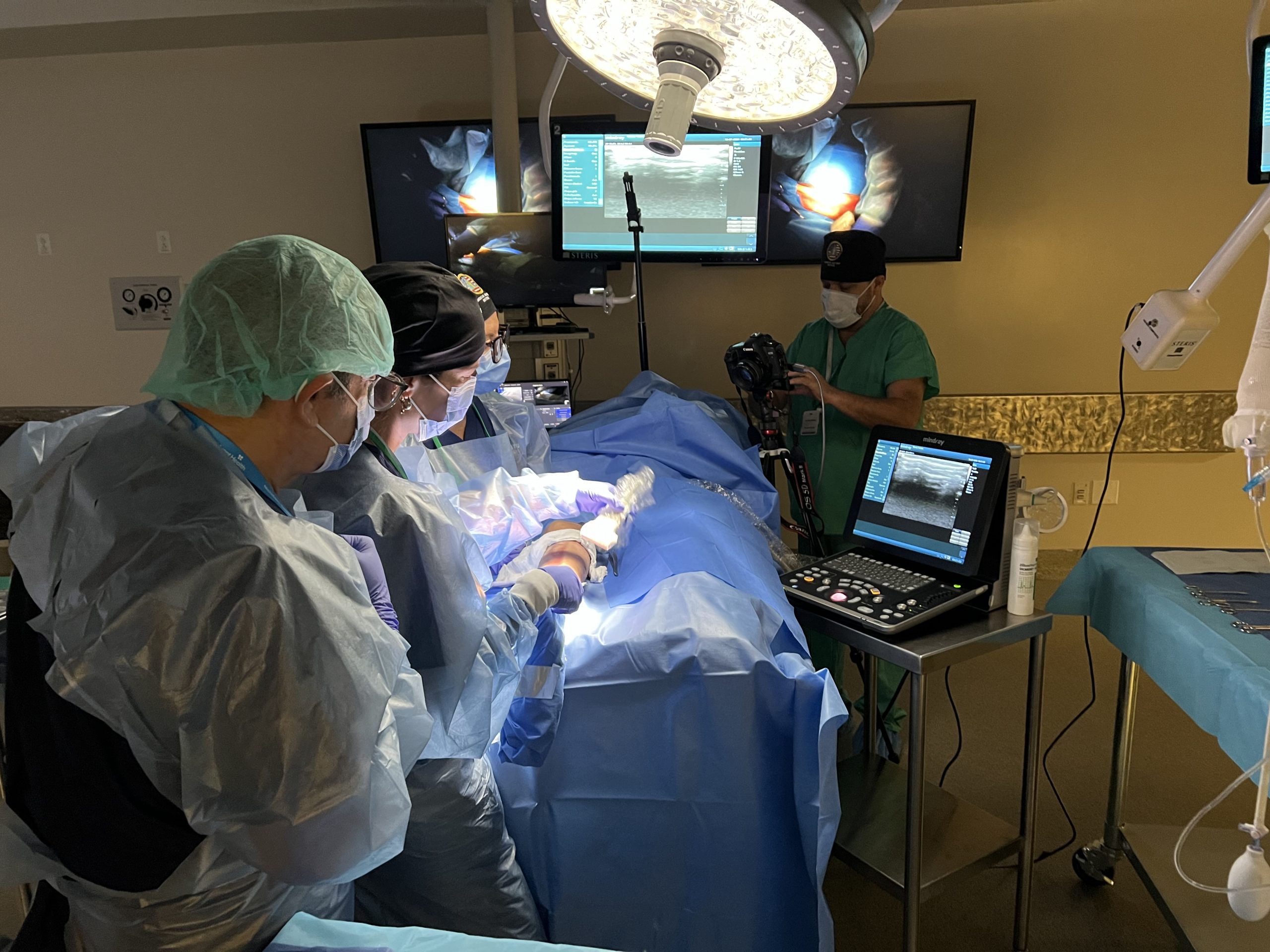
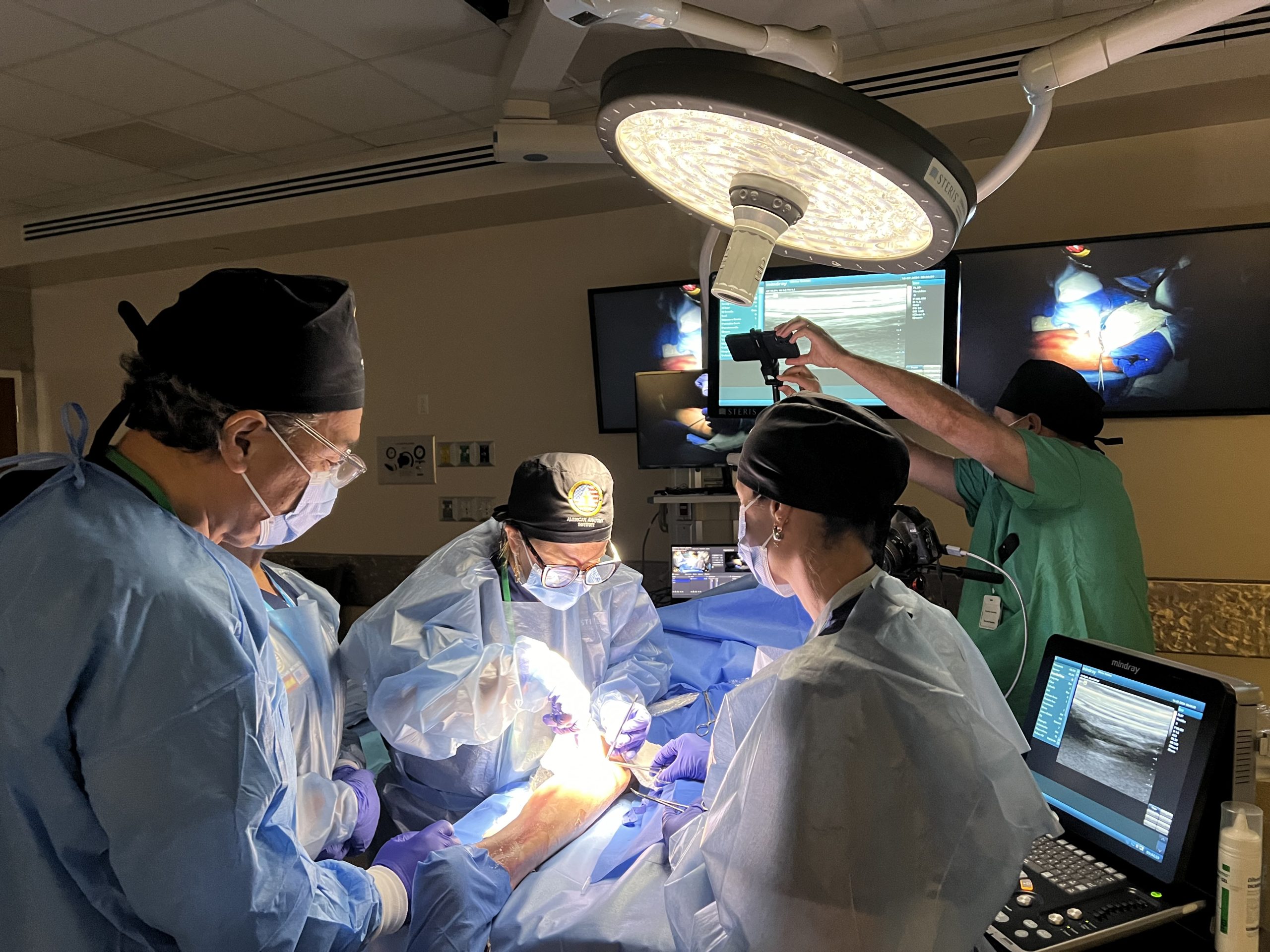
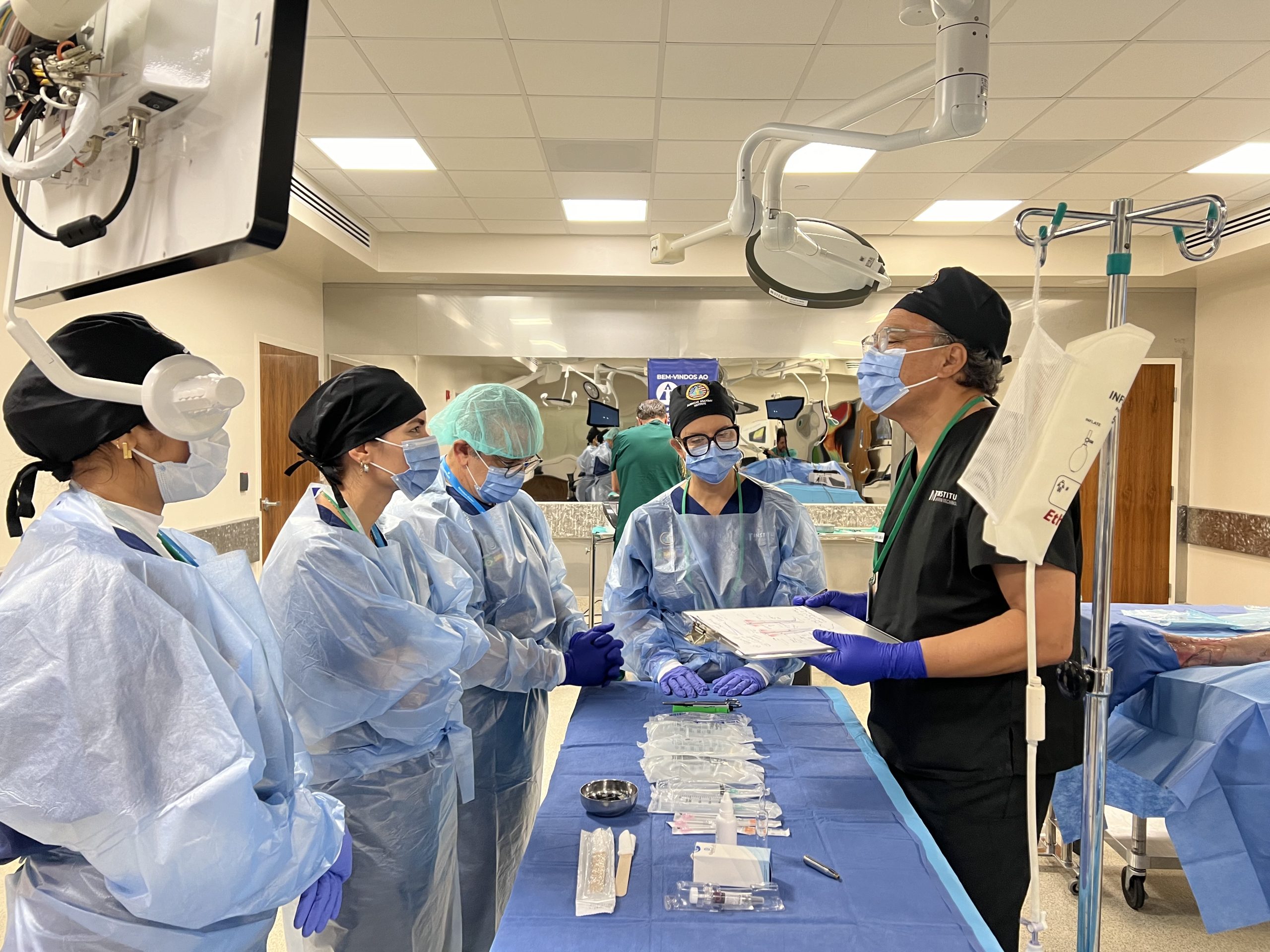
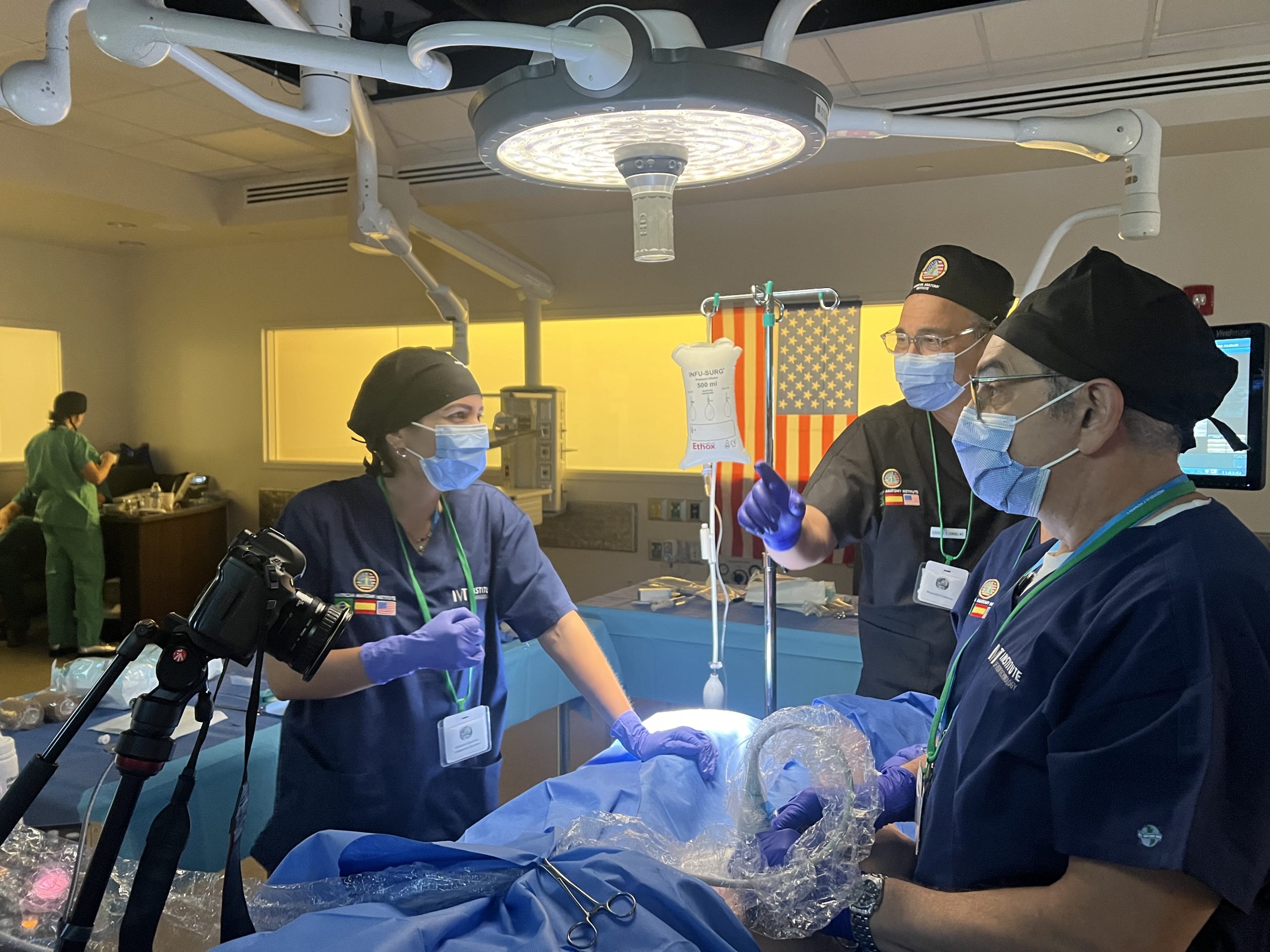
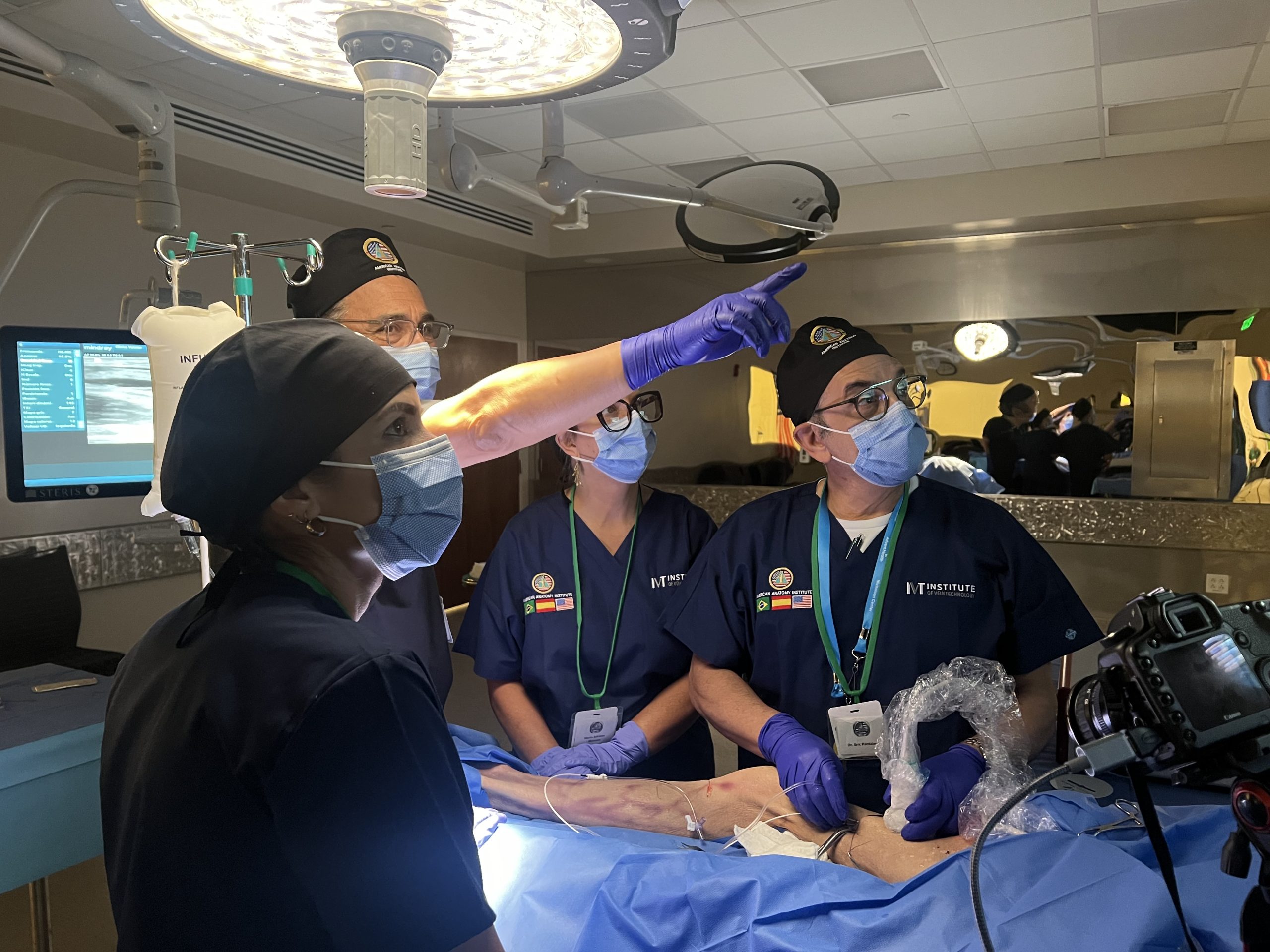
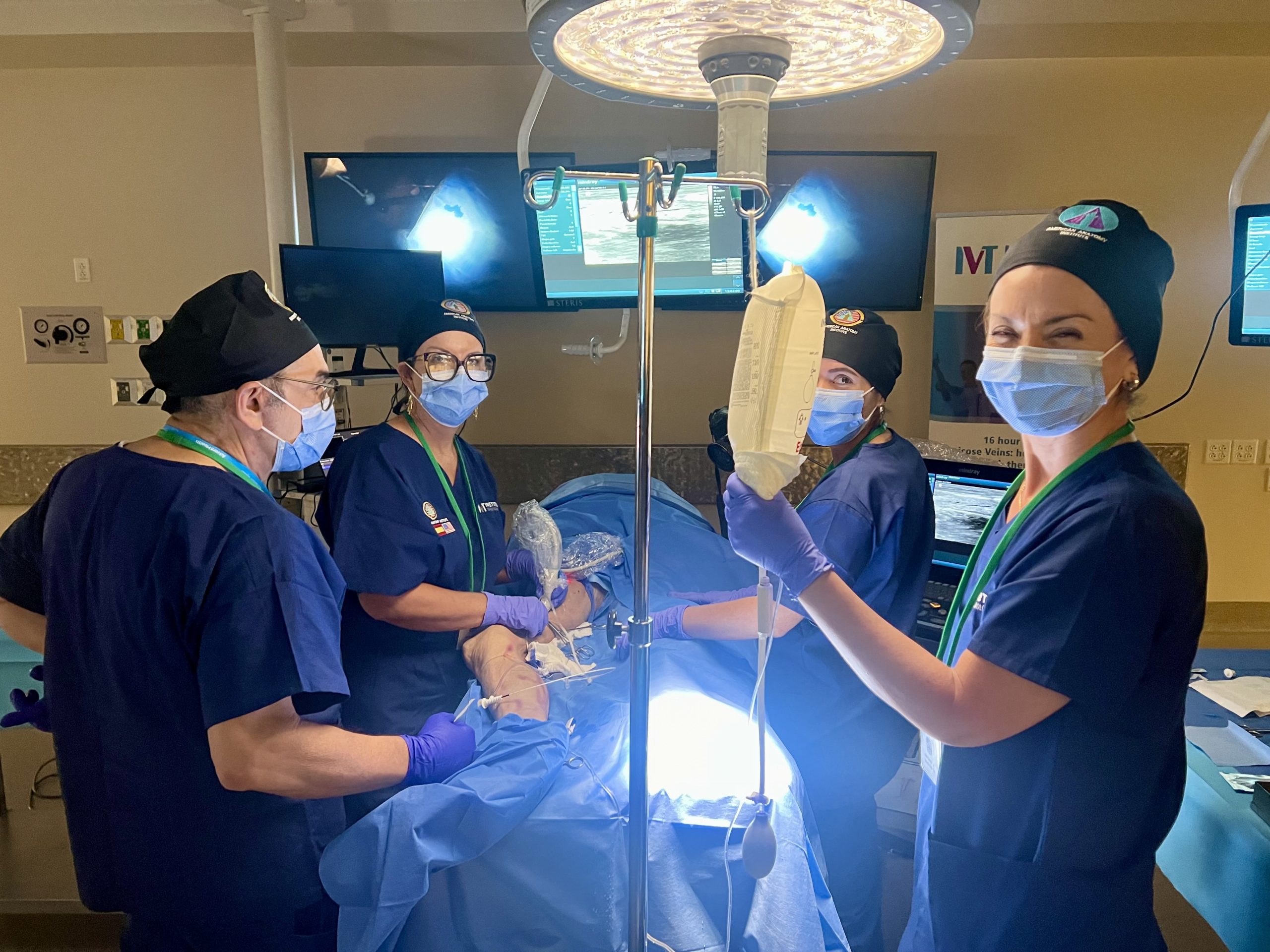
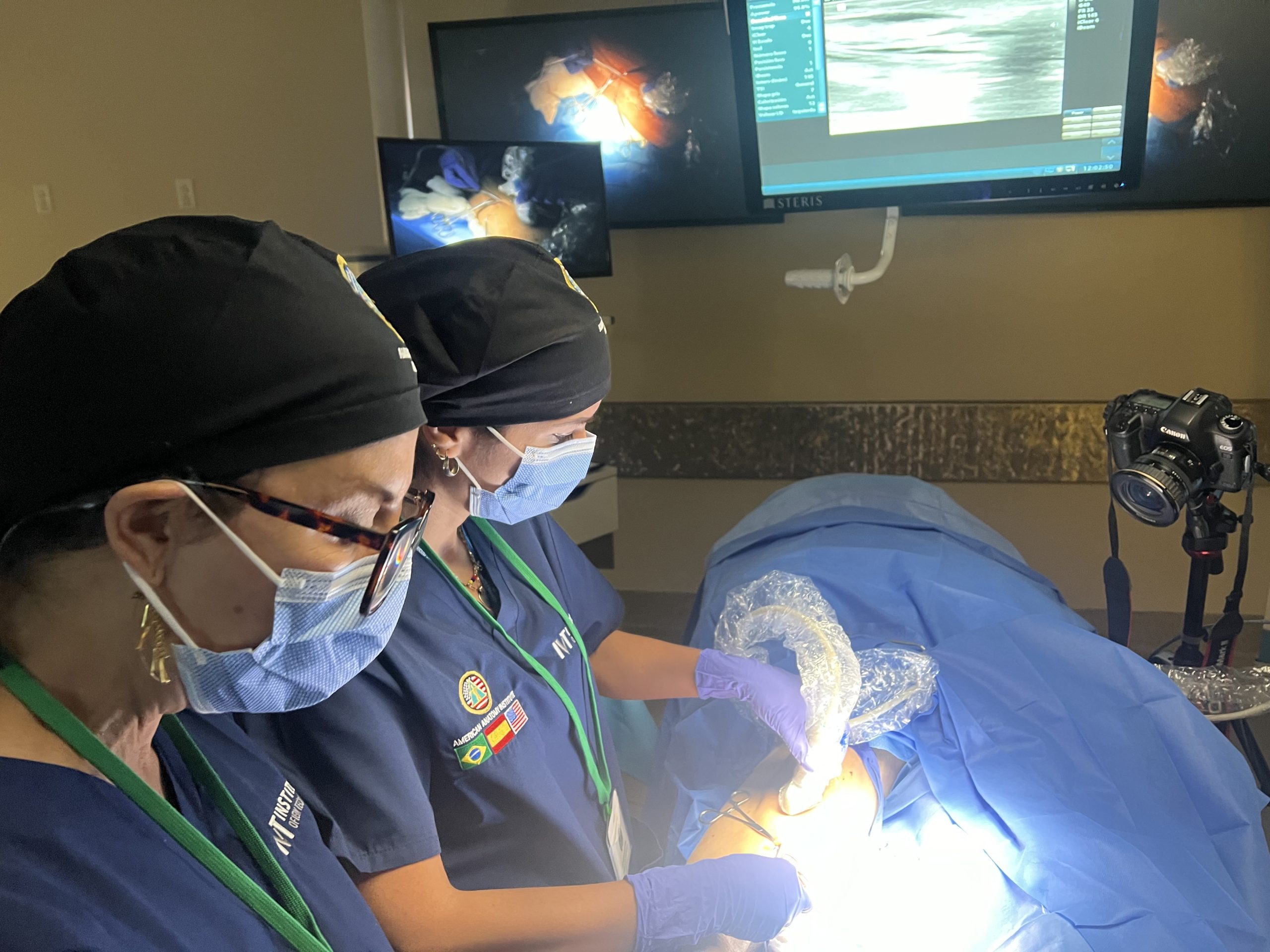
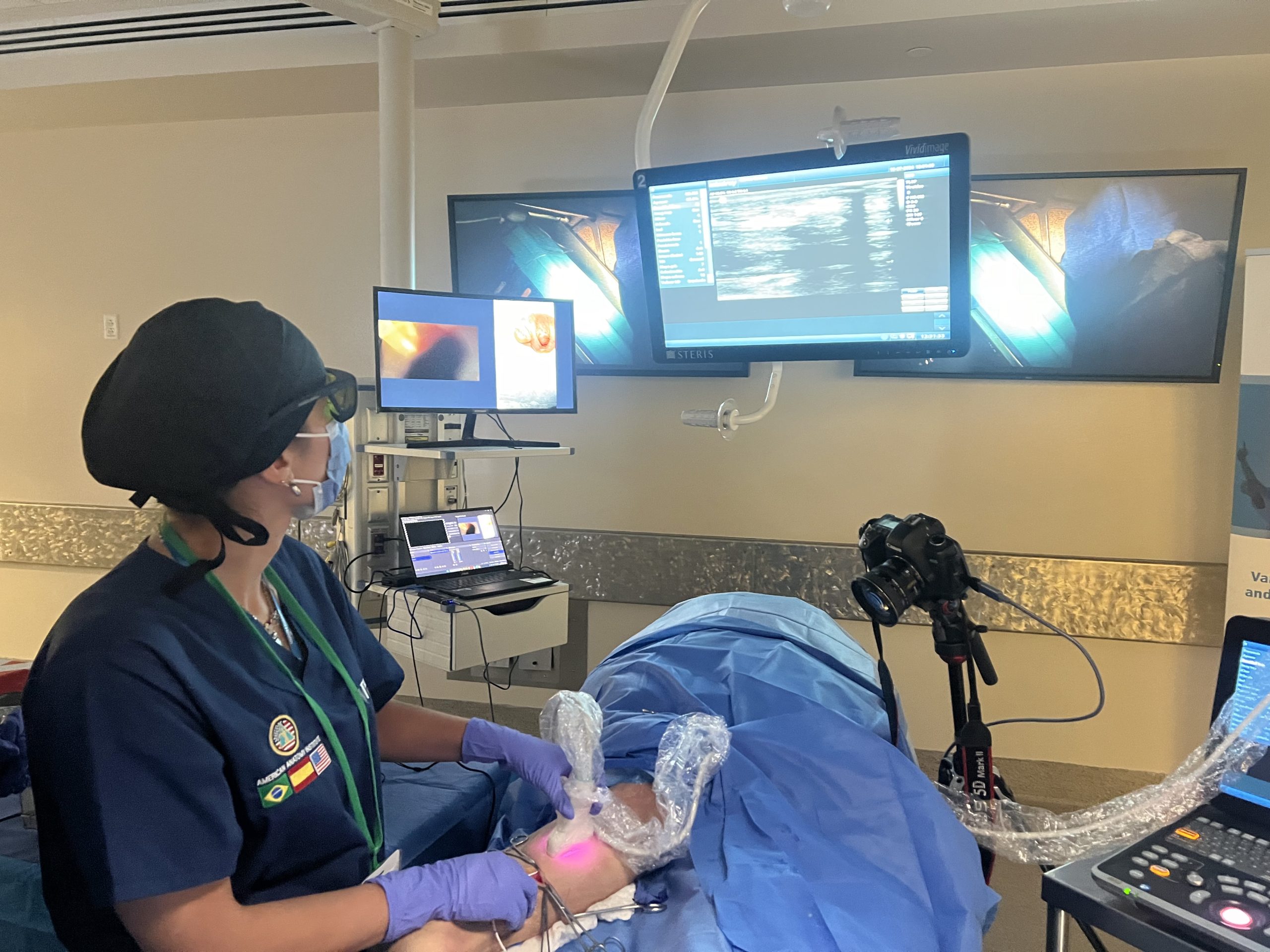
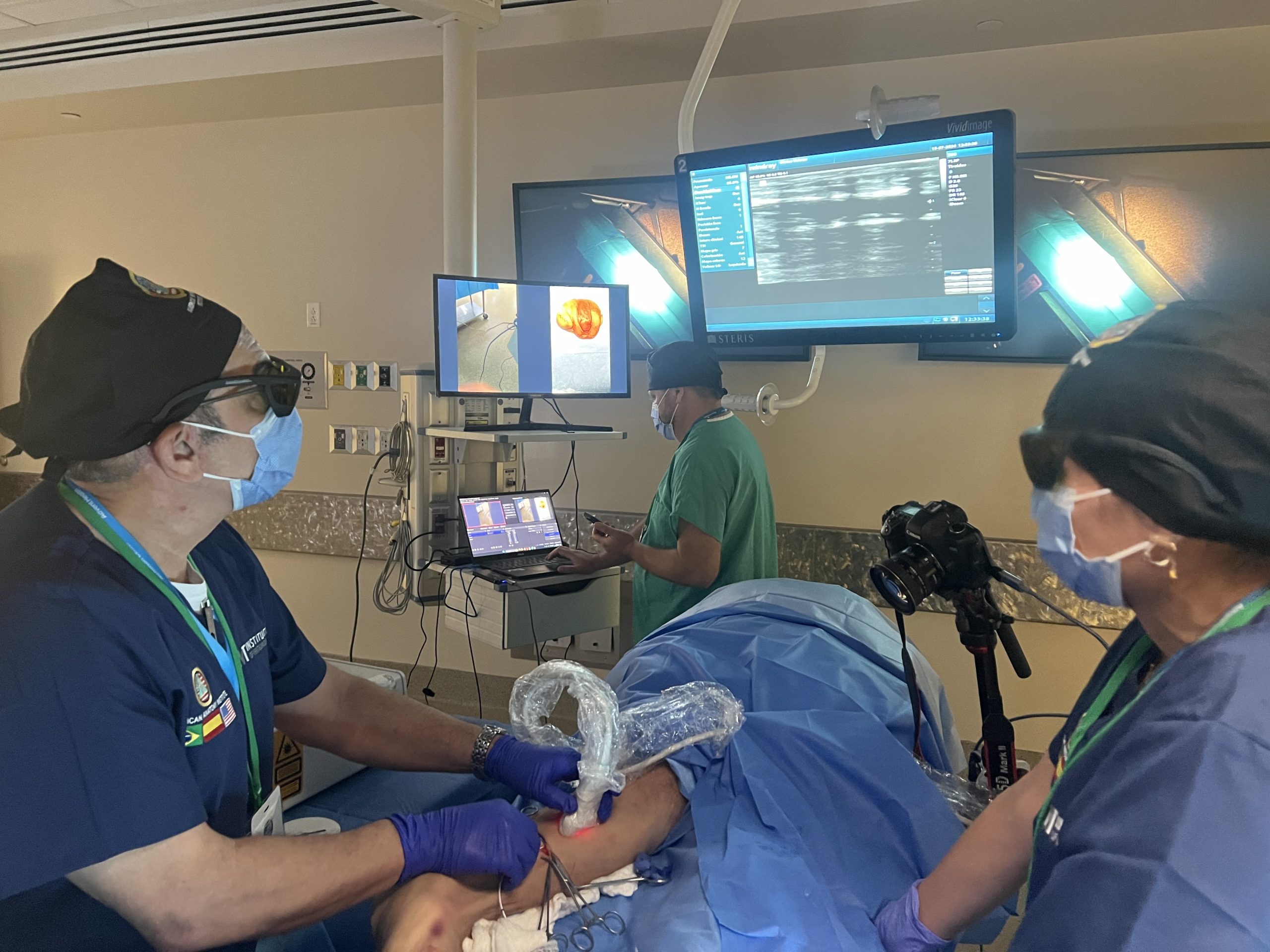
Participants then move to the surgical training laboratory, where they rotate through specialized procedural stations, including:
- Ultrasound mapping and venous evaluation
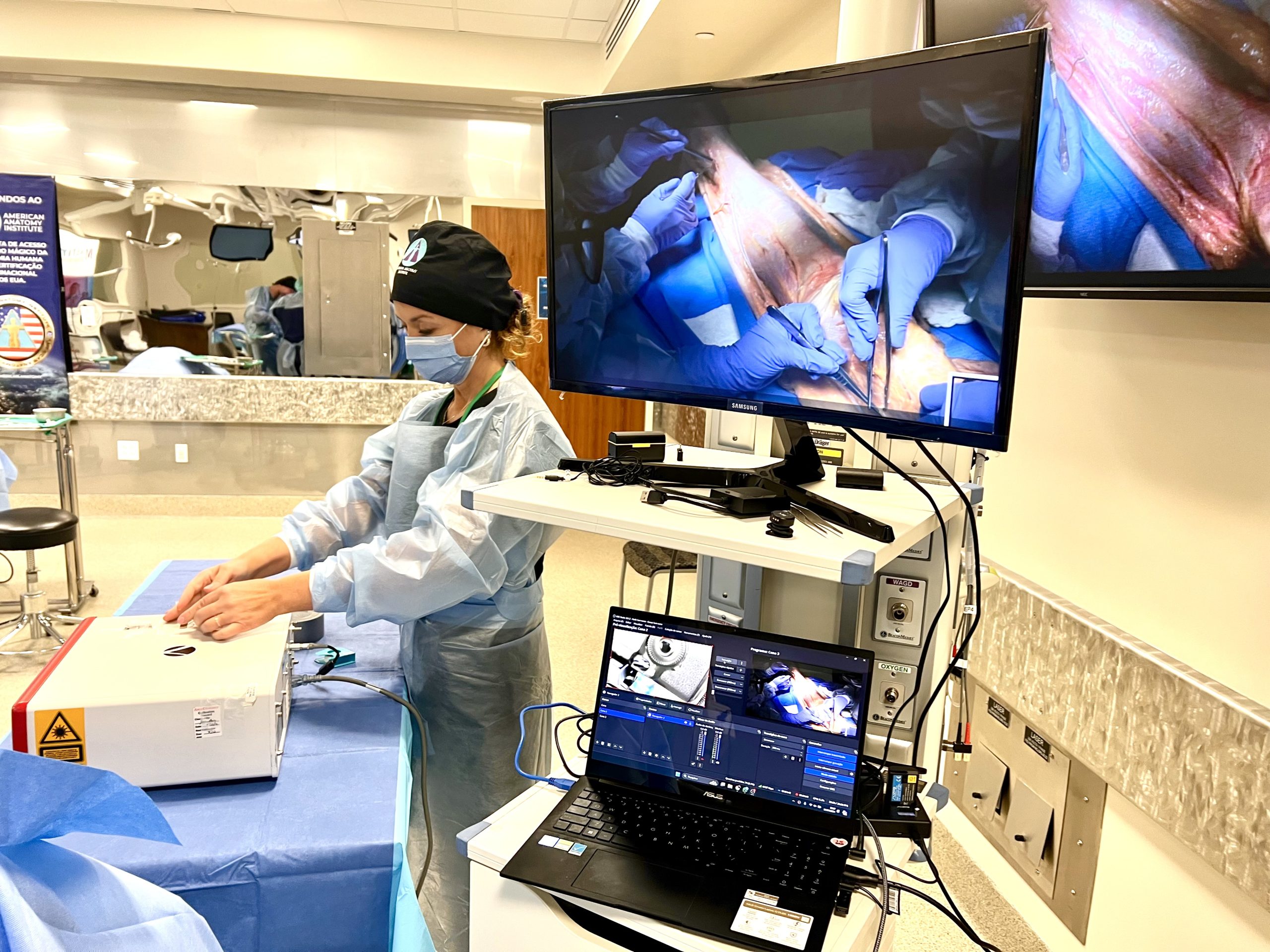
- Endovenous laser equipment operation
- Catheter and fiber positioning
- Tumescent anesthesia delivery techniques
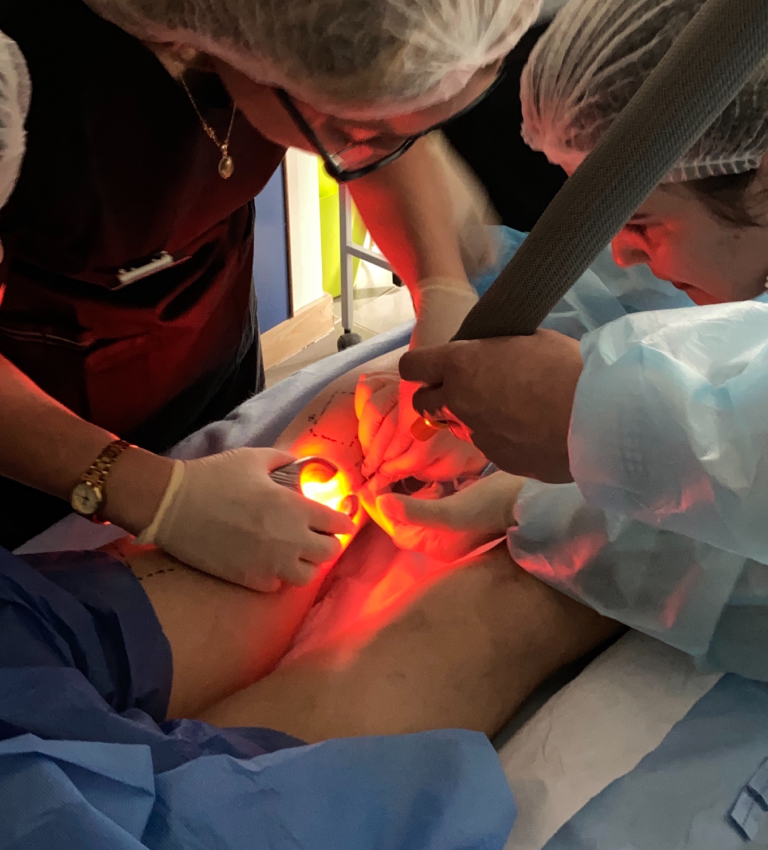
- Endovenous laser treatment of the Great Saphenous Vein (GSV)
- Treatment of the Small Saphenous Vein (SSV)
- Access techniques and phlebectomy procedures
Each participant performs procedural simulations using medically preserved human specimens, enabling realistic practice of venous interventions.
Why This Course Is Unique
Several elements distinguish this program from conventional training courses.
Training on preserved human specimens
Participants practice on specially prepared anatomical specimens that preserve the structure of veins and tissues, allowing realistic procedural training.
World-class surgical training environment
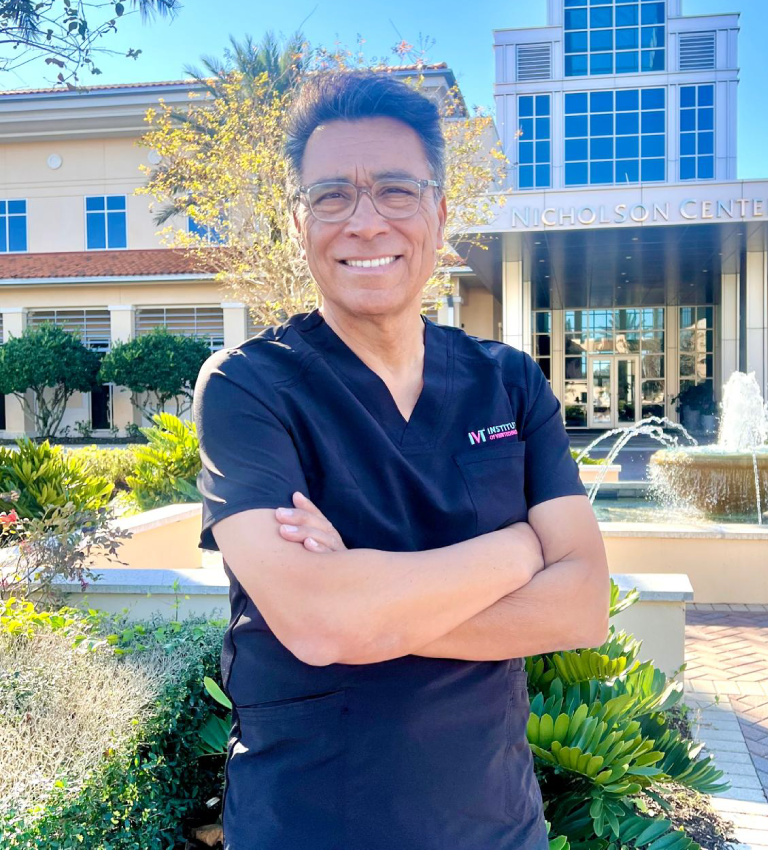
The program is held at the Nicholson Center in Orlando, internationally recognized as one of the most advanced surgical training facilities in the world.
Integration of anatomy and clinical practice
The course bridges anatomical education and procedural execution, ensuring that participants understand the structural basis of each intervention.
International faculty expertise
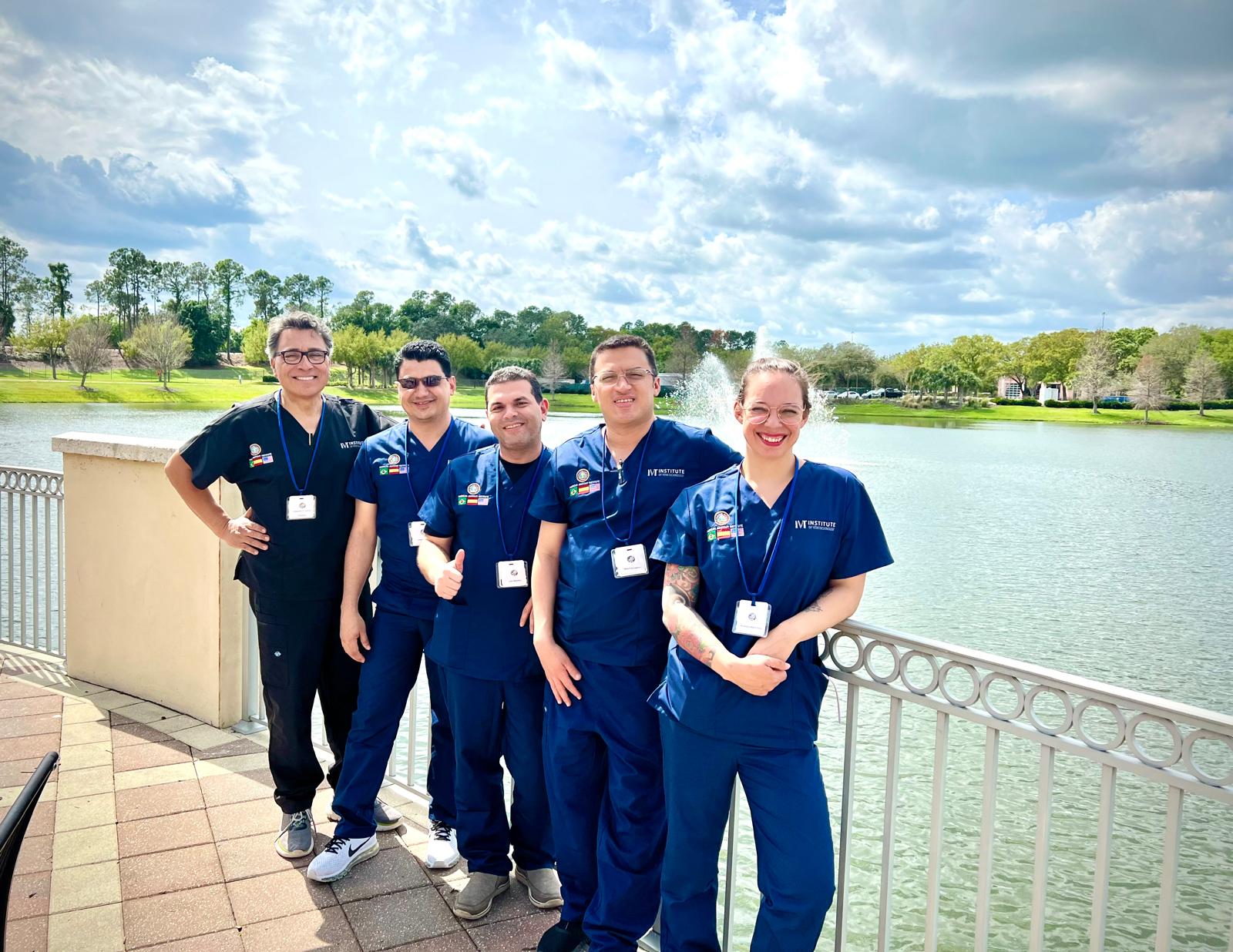
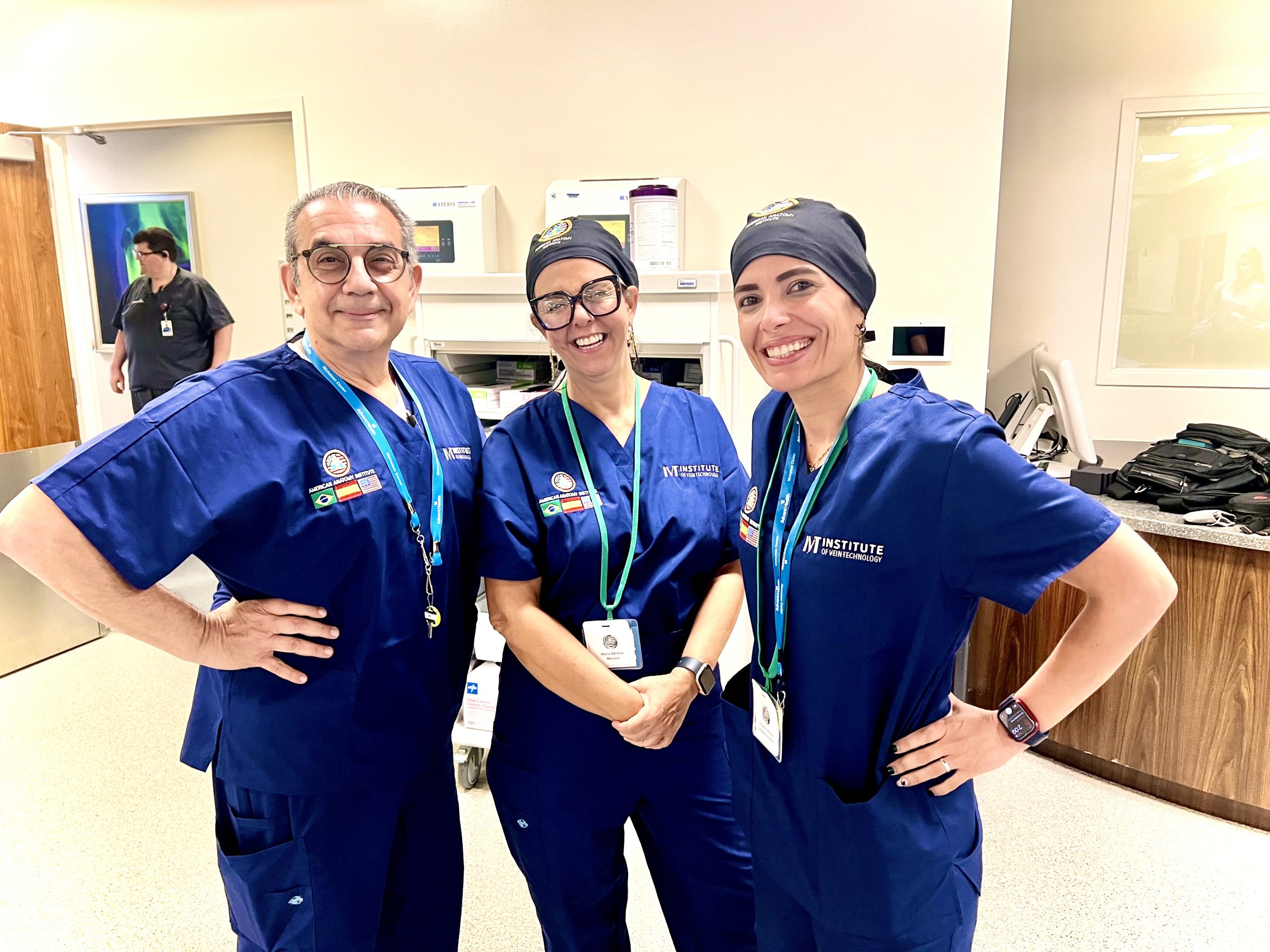
The program is led by experienced physicians, anatomists, and healthcare professionals with extensive expertise in phlebology and venous interventions.
Simulation of real clinical scenarios
Participants practice procedural techniques and complication management in a controlled educational environment before applying them in clinical settings.
Why Healthcare Professionals Choose This Program
Admissions Process
Personalized guidance from the very first contact.
At Institute of Vein Technology, we believe that excellence in training begins with proper academic guidance. That’s why our admissions process is not automatic. It is personalized, guided, and aligned with each student’s professional goals.
Enrollment Process
Step 1 · Interview Request
The process begins by requesting an interview with the Institute’s Director, Dr. Alejandro Cabrera, using the button available on our website.
When requesting the interview, the applicant must complete a form with their professional background, prior experience, and area of interest. This information allows us to understand their profile and prepare a meaningful academic discussion.
Step 2 · Interview with the Director
The interview plays a key role in the admissions process.
During this meeting, Dr. Alejandro Cabrera:
This step ensures that each participant enrolls in the most appropriate course, maximizing learning outcomes while maintaining the Institute’s high academic standards. The interview is essential to align the applicant’s expectations with the educational value provided by the Institute of Vein Technology, helping ensure a meaningful benefit for the student.
Step 3 · Acceptance Letter and Enrollment Terms
After the interview and once the application has been approved, the student will receive an email containing:
After completing this step, the student will receive access credentials to the course’s academic materials, allowing them to prepare before the program begins.
Step 4 · Course Completion and Certification
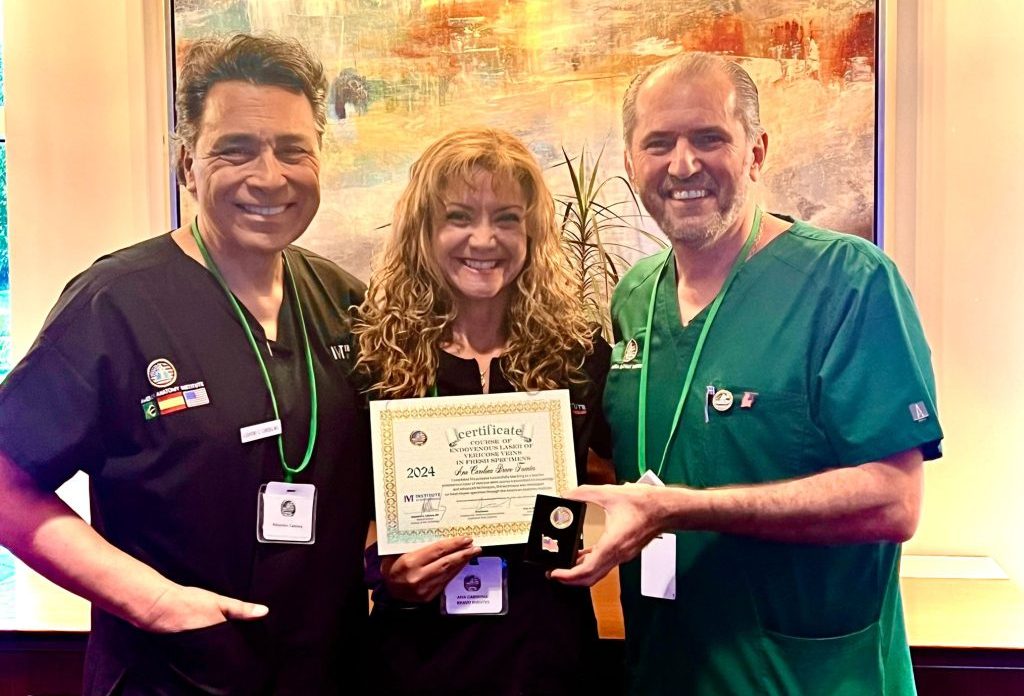
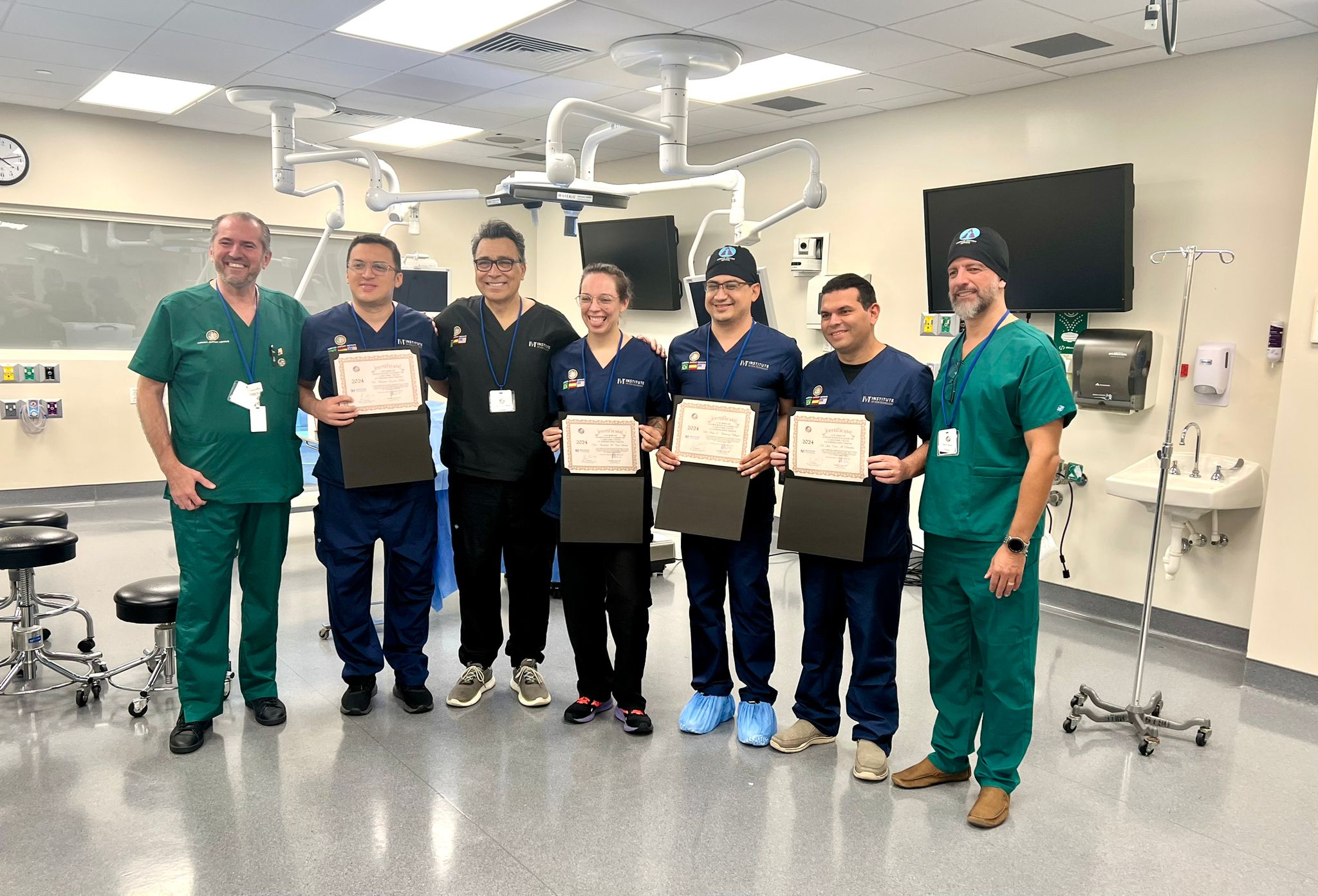
After successfully completing and passing the course, the student will receive:
both sent directly to their email address.
These certificates confirm participation and successful completion of the program in accordance with the academic standards of the Institute of Vein Technology.