

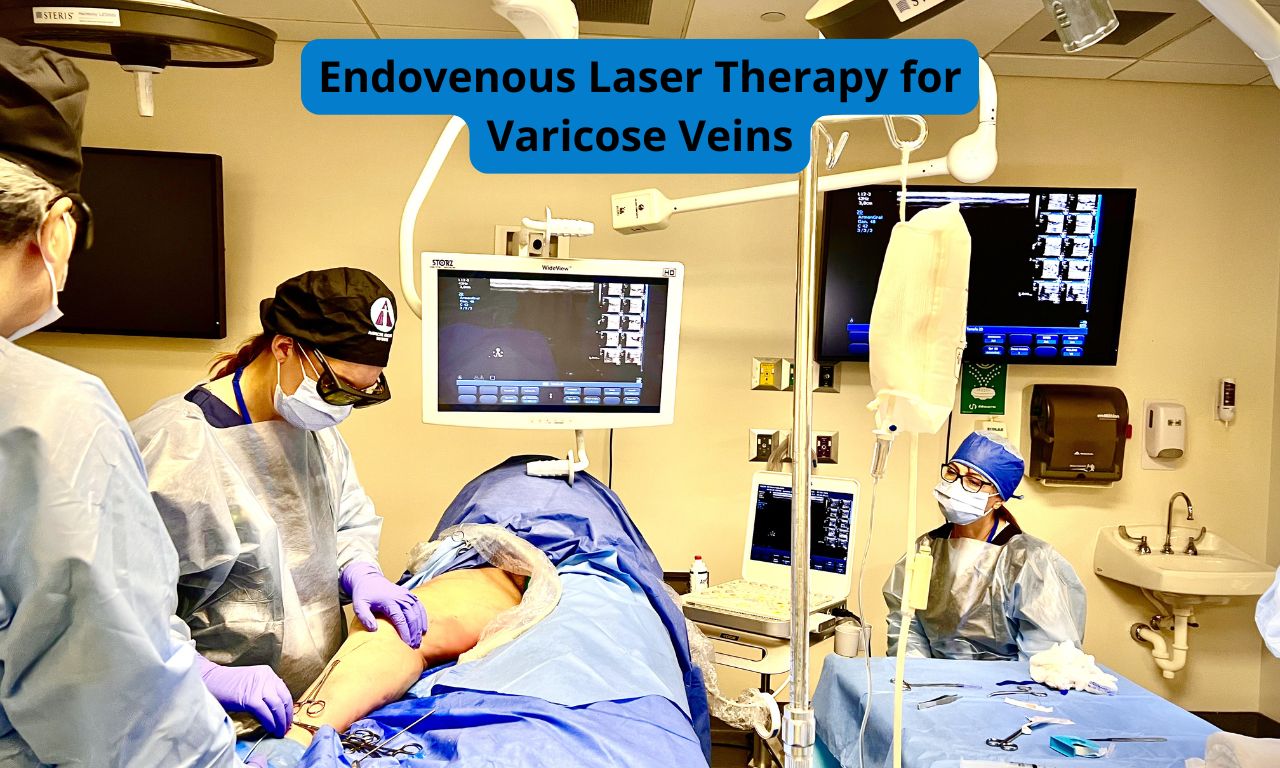
Endovenous Laser Therapy (EVLT) for Varicose Veins
Learn how Endovenous Laser Therapy (EVLT) treats varicose veins safely and effectively with minimally invasive technology and fast recovery.
Varicose veins affect millions of people worldwide and are one of the most common manifestations of venous disease. These enlarged, twisted veins can cause discomfort, swelling, and visible changes in the legs, often impacting both health and quality of life.
Over the past two decades, advances in vascular medicine have transformed the treatment of varicose veins. One of the most effective and widely used treatments today is Endovenous Laser Therapy (EVLT).
This minimally invasive procedure uses laser energy to close diseased veins, improving circulation and eliminating the visible signs of venous insufficiency. Compared with traditional surgical vein stripping, EVLT offers faster recovery, minimal discomfort, and excellent long-term results.
What Is Endovenous Laser Therapy (EVLT)?
Endovenous Laser Therapy (EVLT) is a minimally invasive medical procedure used to treat varicose veins caused by venous reflux.
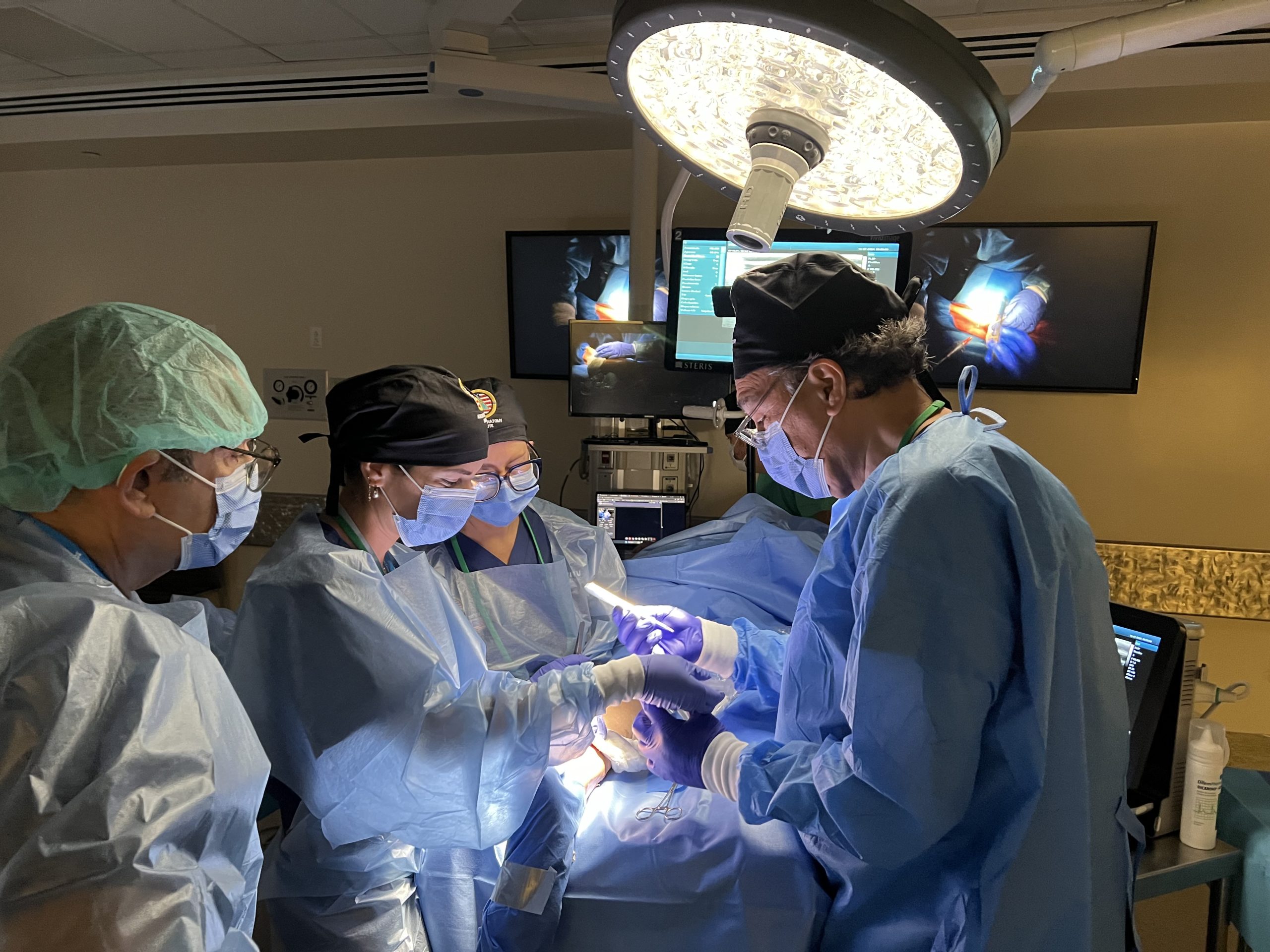
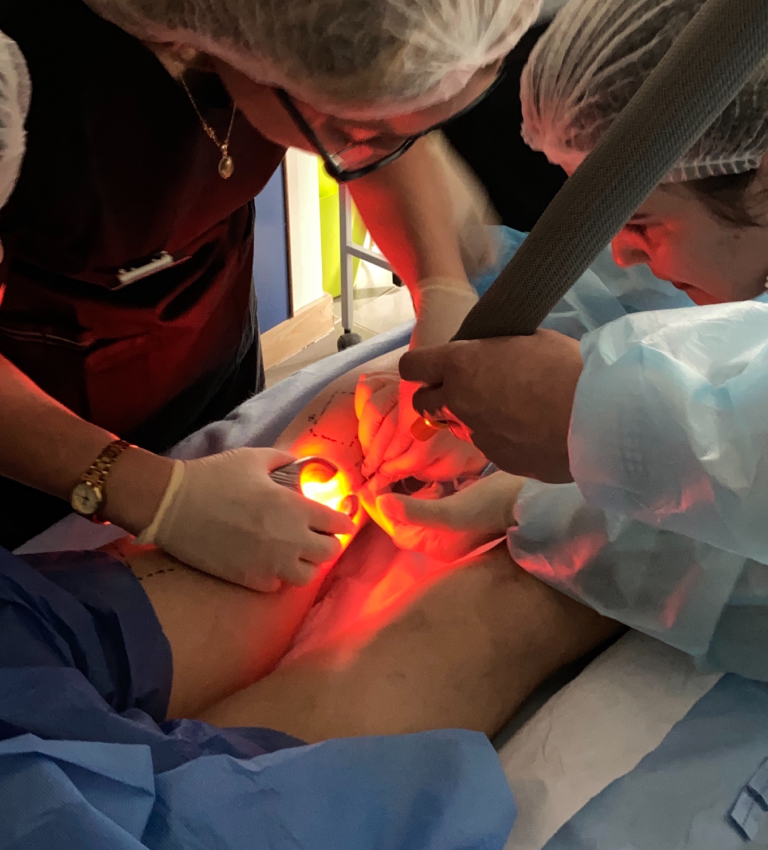
The treatment works by inserting a very thin laser fiber into the affected vein under ultrasound guidance. Once positioned, the laser delivers controlled heat energy to the vein wall, causing the vein to collapse and seal shut.
After the vein closes:
- Blood flow is redirected to nearby healthy veins
- Pressure in the venous system decreases
- Symptoms gradually improve
Over time, the body naturally absorbs the treated vein.
EVLT is commonly used to treat large superficial veins, such as the great saphenous vein, which are often responsible for significant varicose vein disease.
Causes and Risk Factors of Varicose Veins
Varicose veins develop when valves inside the veins fail to function properly. These valves normally help blood flow upward toward the heart.
When valves weaken or become damaged, blood may flow backward and accumulate in the veins, leading to venous reflux.
Several factors increase the risk of developing varicose veins.
Genetics
Family history is one of the strongest predictors of venous disease.
Age
As people age, veins naturally lose elasticity and valve function may decline.
Pregnancy
Hormonal changes and increased blood volume during pregnancy place additional pressure on the veins.
Prolonged Standing
Occupations that require standing for long periods increase pressure in the veins of the legs.
Examples include:
- Nurses
- Teachers
- Retail workers
- Hospitality staff
Lifestyle Factors
Additional contributing factors include:
- Obesity
- Sedentary lifestyle
- Smoking
- Previous venous thrombosis
Symptoms and Warning Signs
Varicose veins may cause a variety of symptoms that worsen throughout the day.
Common symptoms include:
- Aching or heavy legs
- Visible bulging veins
- Leg swelling
- Burning or throbbing sensations
- Night cramps
- Skin discoloration around the ankles
If left untreated, chronic venous insufficiency may develop and lead to complications such as:
- Venous ulcers
- Skin inflammation
- Blood clots
Diagnosis and Medical Evaluation
Before recommending EVLT, a vein specialist performs a comprehensive vascular evaluation.
The most important diagnostic test is duplex ultrasound, a non-invasive imaging technique that evaluates blood flow within the veins.
Duplex ultrasound allows physicians to:
- Identify venous reflux
- Map diseased veins
- Evaluate valve function
- Detect blood clots
This imaging is essential for planning minimally invasive procedures such as EVLT.
Treatment Options
Treatment recommendations depend on the severity of the venous disease and the patient’s symptoms.
Conservative Management
In early cases, physicians may recommend:
- Compression stockings
- Leg elevation
- Regular exercise
- Weight management
However, when venous reflux is present, minimally invasive procedures such as EVLT are often the most effective solution.
Endovenous Laser Therapy Procedure
EVLT is typically performed in an outpatient vascular clinic and usually takes 30 to 60 minutes.
The procedure follows several steps:
- Ultrasound guidance is used to locate the affected vein.
- A small catheter is inserted into the vein through a tiny skin puncture.
- A laser fiber is advanced inside the vein.
- Laser energy is delivered as the fiber is slowly withdrawn.
- The vein collapses and seals closed.
Local anesthesia is used to ensure patient comfort during the procedure.
Because the procedure requires only a small puncture, no surgical incisions or stitches are needed.
Benefits of Endovenous Laser Therapy
EVLT offers several advantages compared with traditional surgical treatments.
Key benefits include:
- Minimally invasive procedure
- Performed under local anesthesia
- Little to no scarring
- Fast recovery time
- High success rates
- Reduced risk of complications
Most patients can return to normal activities within 24 to 48 hours.
Recovery and Aftercare
Recovery after EVLT is typically quick and uncomplicated.
Patients are usually advised to:
- Walk immediately after the procedure
- Wear compression stockings for several days
- Avoid prolonged inactivity
- Avoid intense exercise for about one week
Mild bruising or tightness along the treated vein may occur but typically resolves within a few days.
Full improvement in symptoms and appearance may occur over several weeks.
Prevention and Lifestyle Recommendations
Although EVLT effectively treats diseased veins, maintaining healthy circulation remains important.
Lifestyle habits that support vein health include:
- Regular physical activity
- Maintaining a healthy body weight
- Avoiding prolonged sitting or standing
- Elevating the legs when resting
- Wearing compression stockings when recommended
These strategies may reduce the risk of new vein problems developing.
When to See a Vein Specialist
A consultation with a vascular specialist is recommended if you experience:
- Persistent leg pain or heaviness
- Visible varicose veins
- Leg swelling
- Skin discoloration around the ankles
- Non-healing wounds on the legs
Early evaluation allows physicians to identify venous disease and recommend appropriate treatments such as EVLT before complications develop.
Frequently Asked Questions (FAQ)
Is Endovenous Laser Therapy painful?
Most patients experience minimal discomfort during the procedure because local anesthesia is used.
How long does the procedure take?
EVLT typically takes 30 to 60 minutes and is performed on an outpatient basis.
How soon can I return to normal activities?
Many patients resume normal daily activities the same day or the following day.
Are the results permanent?
The treated vein typically remains permanently closed, although new varicose veins may develop in other areas.
Is EVLT safe?
Yes. EVLT has been widely studied and is considered a safe and effective treatment for venous reflux.
Medical Credibility (autor)
Medically reviewed by
Dr. Alejandro Cabrera
Specialist in Phlebology and Vascular Medicine