


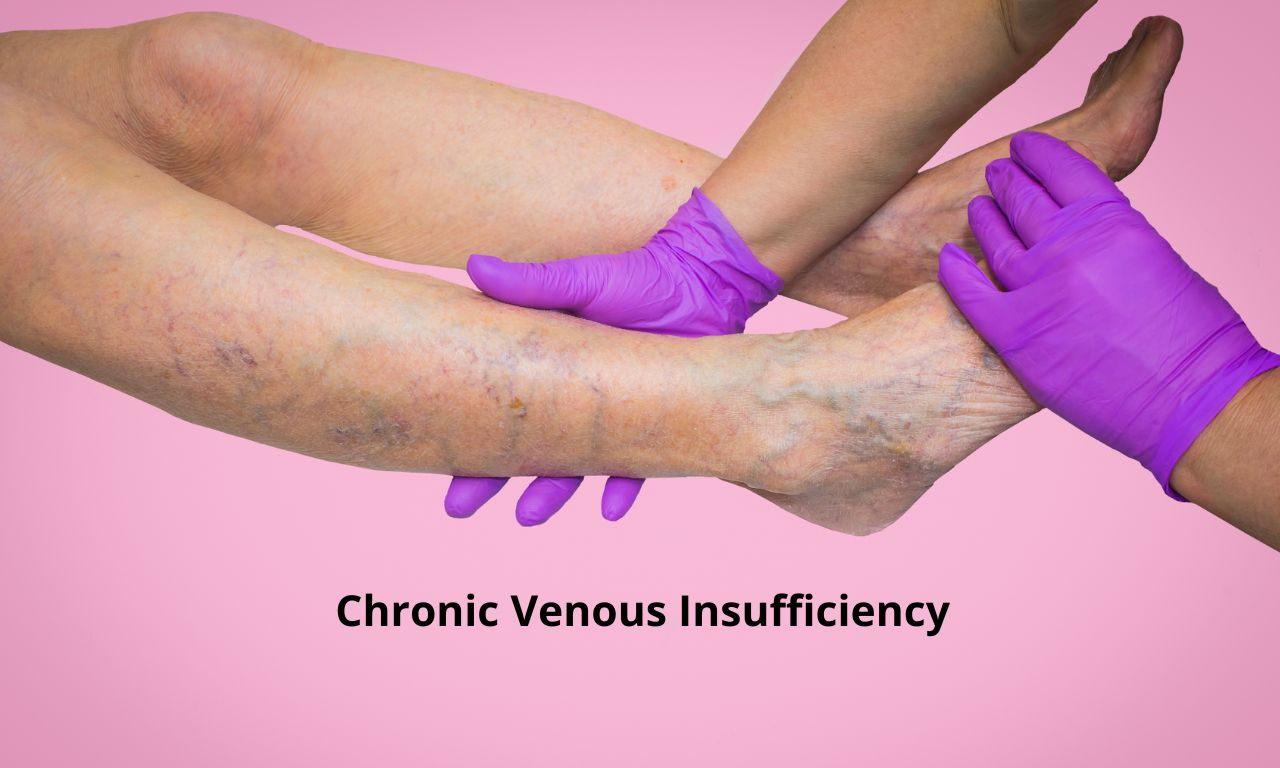
Chronic Venous Insufficiency: Symptoms and Treatment
Learn about chronic venous insufficiency, its symptoms, causes, diagnosis, and modern treatment options to improve circulation and prevent complications..
Chronic Venous Insufficiency (CVI) is a common vascular condition that affects millions of people worldwide. It occurs when the veins in the legs have difficulty returning blood back to the heart, leading to increased pressure in the venous system.
Over time, this impaired circulation can cause symptoms such as leg swelling, skin changes, discomfort, and in advanced cases, venous ulcers. While chronic venous insufficiency often develops gradually, early diagnosis and treatment can significantly improve symptoms and prevent long-term complications.
Understanding how this condition develops and what treatment options are available can help patients protect their vascular health and improve their quality of life.
What Is Chronic Venous Insufficiency?
Chronic Venous Insufficiency is a condition in which the veins of the legs cannot efficiently return blood to the heart. Normally, small valves inside the veins open and close to ensure blood flows upward against gravity.
When these valves weaken or become damaged, blood can flow backward and accumulate in the veins, a process known as venous reflux.
As a result, pressure builds up in the veins, leading to:
- Swelling in the lower legs
- Varicose veins
- Skin changes
- Chronic discomfort
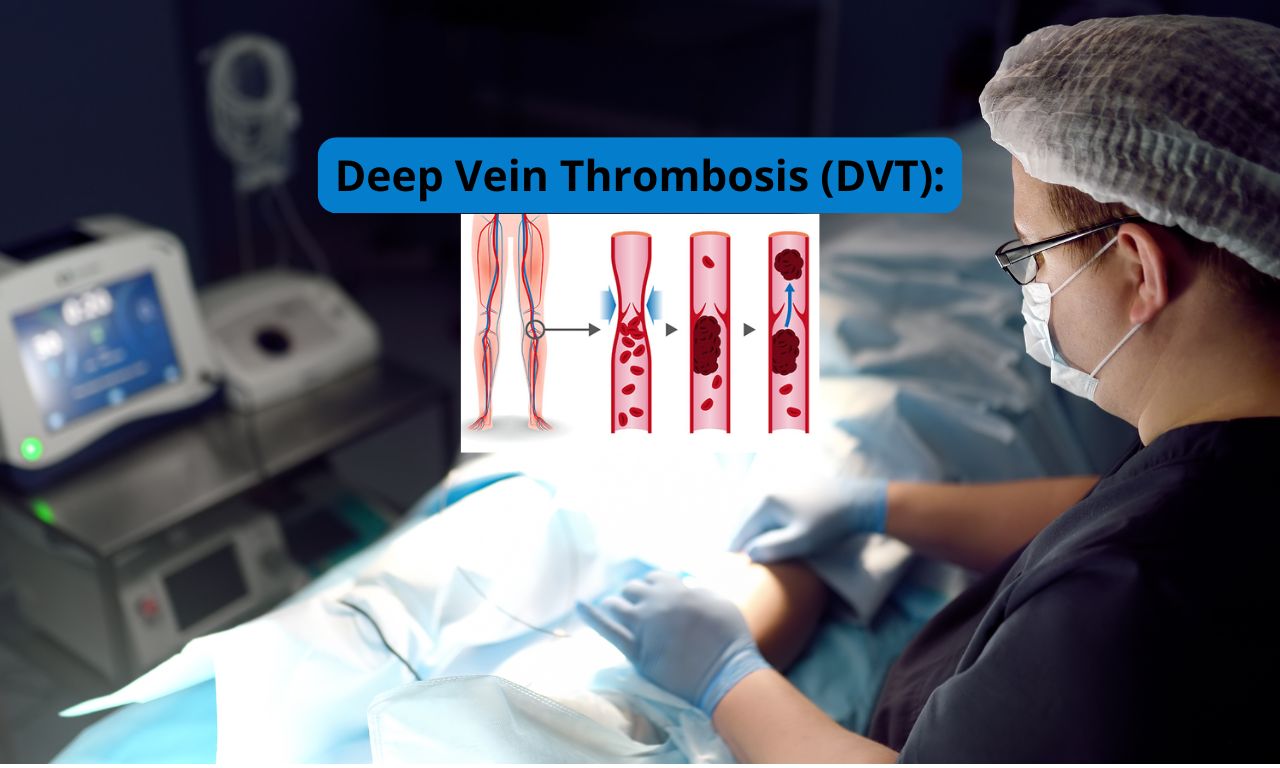
Over time, untreated venous insufficiency can progress and lead to more serious complications, including venous ulcers or blood clots.
Causes and Risk Factors
Several factors can contribute to the development of chronic venous insufficiency. The condition often develops gradually over many years.
Genetics
A family history of venous disease increases the likelihood of developing CVI.
Age
As people age, vein walls and valves naturally lose elasticity, making them less effective at maintaining proper blood flow.
Varicose Veins
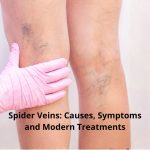
Varicose veins are one of the most common early signs of venous insufficiency and may worsen over time if untreated.
Pregnancy
Pregnancy increases pressure on the pelvic veins and may weaken venous valves.
Prolonged Standing or Sitting
Jobs that require standing or sitting for long periods can increase pressure in the leg veins.
Examples include:
- Healthcare workers
- Teachers
- Retail employees
- Office workers
Lifestyle Factors
Additional risk factors include:
- Obesity
- Lack of physical activity
- Smoking
- Previous blood clots (deep vein thrombosis)
Symptoms and Warning Signs
Symptoms of chronic venous insufficiency may range from mild discomfort to significant vascular complications.
Common symptoms include:
- Leg swelling (especially at the end of the day)
- Heavy or tired legs
- Aching or throbbing pain
- Burning or itching sensations
- Visible varicose veins
- Skin discoloration around the ankles
- Thickened or hardened skin
In advanced stages, patients may develop:
- Venous eczema
- Skin ulcers
- Persistent inflammation
These symptoms often worsen after long periods of standing and improve when the legs are elevated.
Diagnosis and Medical Evaluation
Proper diagnosis is essential to determine the severity of venous disease and select the most effective treatment plan.
A vein specialist will typically perform a clinical evaluation, which includes reviewing medical history and examining the affected veins.
The most important diagnostic tool is:
Duplex Ultrasound
Duplex ultrasound is a non-invasive imaging test that allows physicians to evaluate blood flow in the veins.
This test helps identify:
- Venous reflux
- Valve dysfunction
- Blood clots
- Obstructed veins
Ultrasound mapping also helps guide treatment planning for minimally invasive procedures.
Treatment Options
The treatment of chronic venous insufficiency depends on the severity of the condition and the patient’s overall health.
Modern vascular medicine offers several effective treatment options.
Lifestyle Modifications
For early-stage disease, doctors may recommend:
- Regular walking or physical activity
- Maintaining a healthy weight
- Leg elevation throughout the day
- Avoiding prolonged standing
These measures can improve circulation and reduce symptoms.
Compression Therapy
Compression stockings are often recommended to improve venous circulation.
They work by applying gentle pressure to the legs, which helps:
- Reduce swelling
- Improve blood flow
- Prevent worsening of venous disease
Compression therapy is often the first-line treatment for CVI.
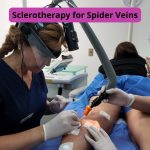
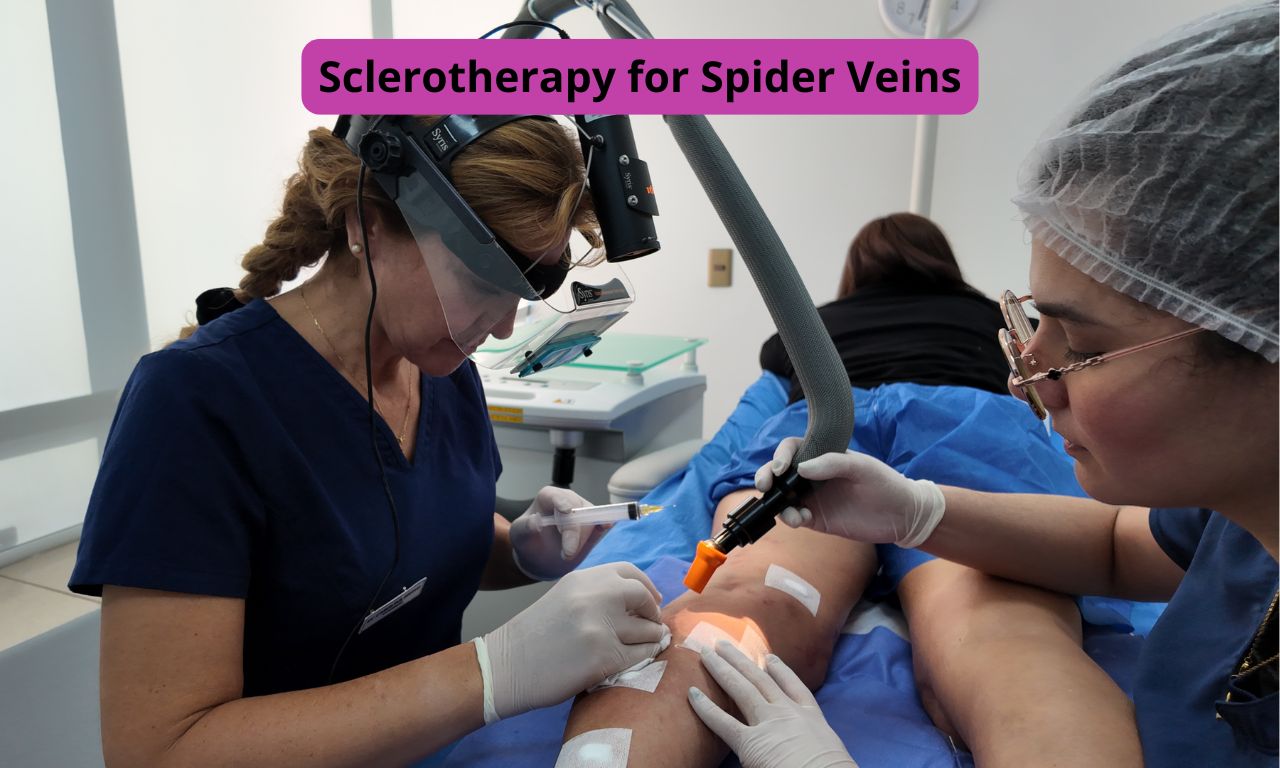
Sclerotherapy
Sclerotherapy involves injecting a medical solution into small veins, causing them to collapse and gradually fade.
It is commonly used to treat:
- Spider veins
- Small varicose veins
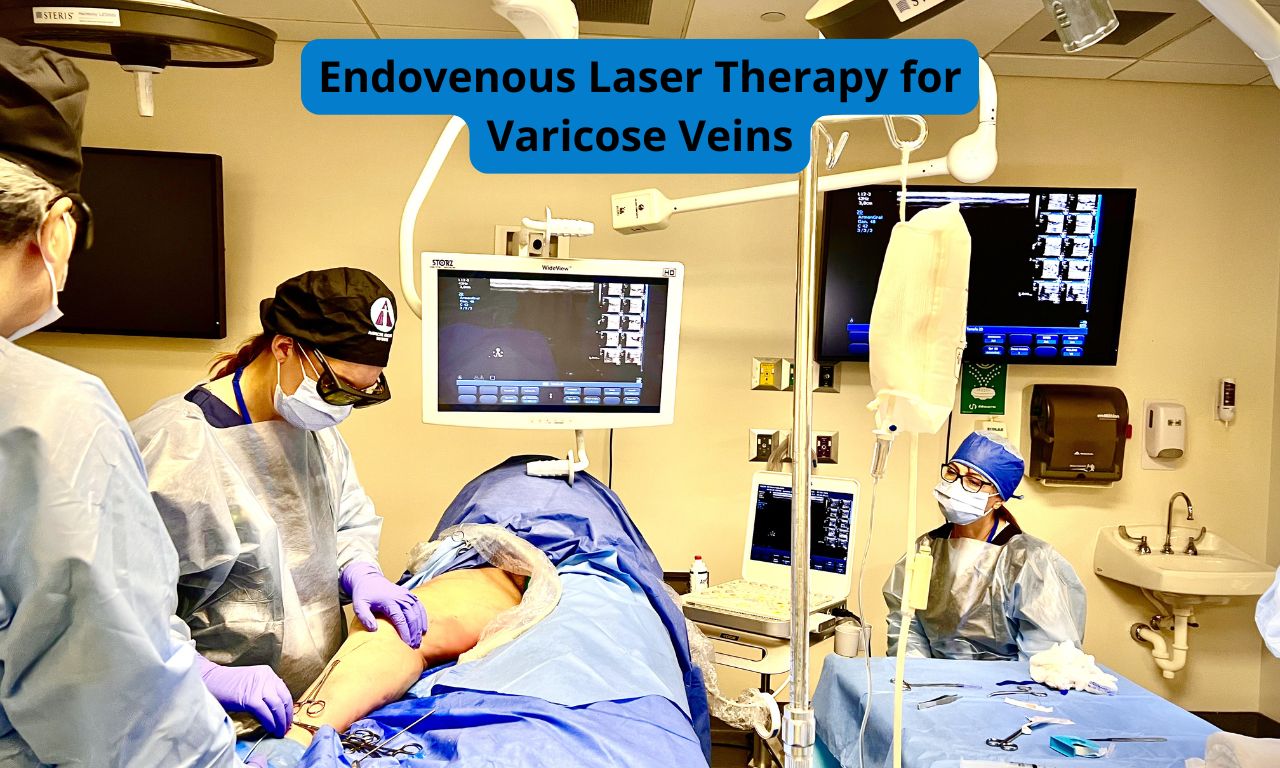
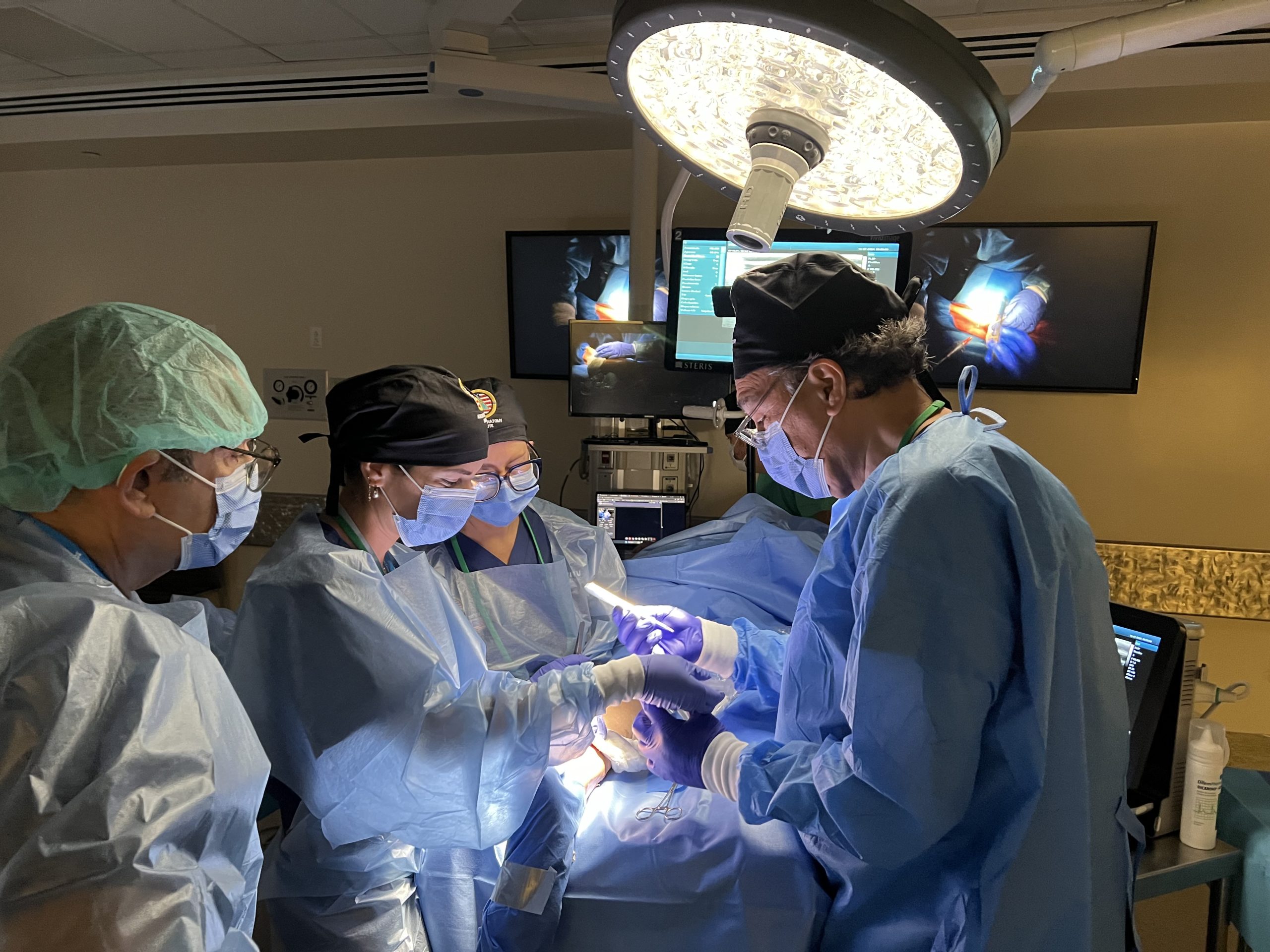
Endovenous Laser Treatment (EVLT)
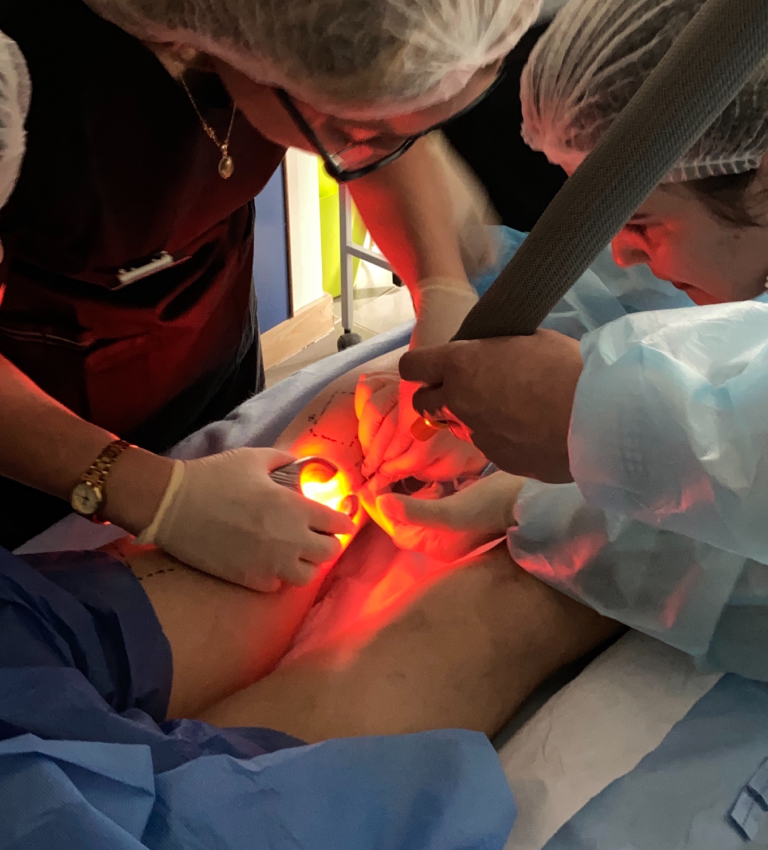
Endovenous Laser Treatment is a minimally invasive procedure that uses laser energy to close diseased veins.
Advantages include:
- Local anesthesia
- Minimal discomfort
- Fast recovery
- High success rates
The procedure redirects blood flow to healthy veins, improving circulation.
Radiofrequency Ablation (RFA)
Another advanced treatment option is radiofrequency ablation, which uses thermal energy to seal abnormal veins.
Like EVLT, it is minimally invasive and typically performed in an outpatient setting.
Surgical Treatment
In rare or advanced cases, surgical procedures may be recommended when minimally invasive treatments are not sufficient.
Prevention and Lifestyle Recommendations
While chronic venous insufficiency cannot always be prevented, certain habits can reduce the risk of progression.
Recommended strategies include:
- Staying physically active
- Avoiding prolonged sitting or standing
- Elevating the legs when resting
- Maintaining a healthy body weight
- Wearing compression stockings if advised by a doctor
These lifestyle changes can help support healthy circulation.
Frequently Asked Questions (FAQ)
Is chronic venous insufficiency a serious condition?
Yes. While symptoms may begin mildly, untreated venous insufficiency can lead to skin damage, ulcers, and reduced quality of life.
Can chronic venous insufficiency be cured?
While the underlying valve damage cannot always be reversed, treatments can significantly improve symptoms and prevent progression.
Are compression stockings necessary?
Many patients benefit from compression stockings, particularly during long periods of standing or travel.
Is surgery always required?
No. Most patients today are treated with minimally invasive procedures, such as endovenous laser therapy or radiofrequency ablation.
How long does treatment recovery take?
Many patients return to normal activities within a few days following minimally invasive procedures.
Medical Credibility (autor)
Medically reviewed by
Dr. Alejandro Cabrera
Specialist in Phlebology and Vascular Medicine