



Spider Veins: Causes, Symptoms and Modern Treatments
Discover what causes spider veins and the best treatment options including sclerotherapy and laser therapy.
Spider veins are a common vascular condition that affects both men and women, often appearing as small red, blue, or purple veins near the surface of the skin. Although they are usually harmless, many patients seek treatment because of their cosmetic appearance or mild discomfort.
Understanding what causes spider veins and how they can be treated helps patients make informed decisions about their vascular health.
What Are Spider Veins?
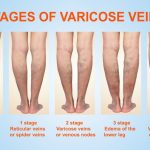
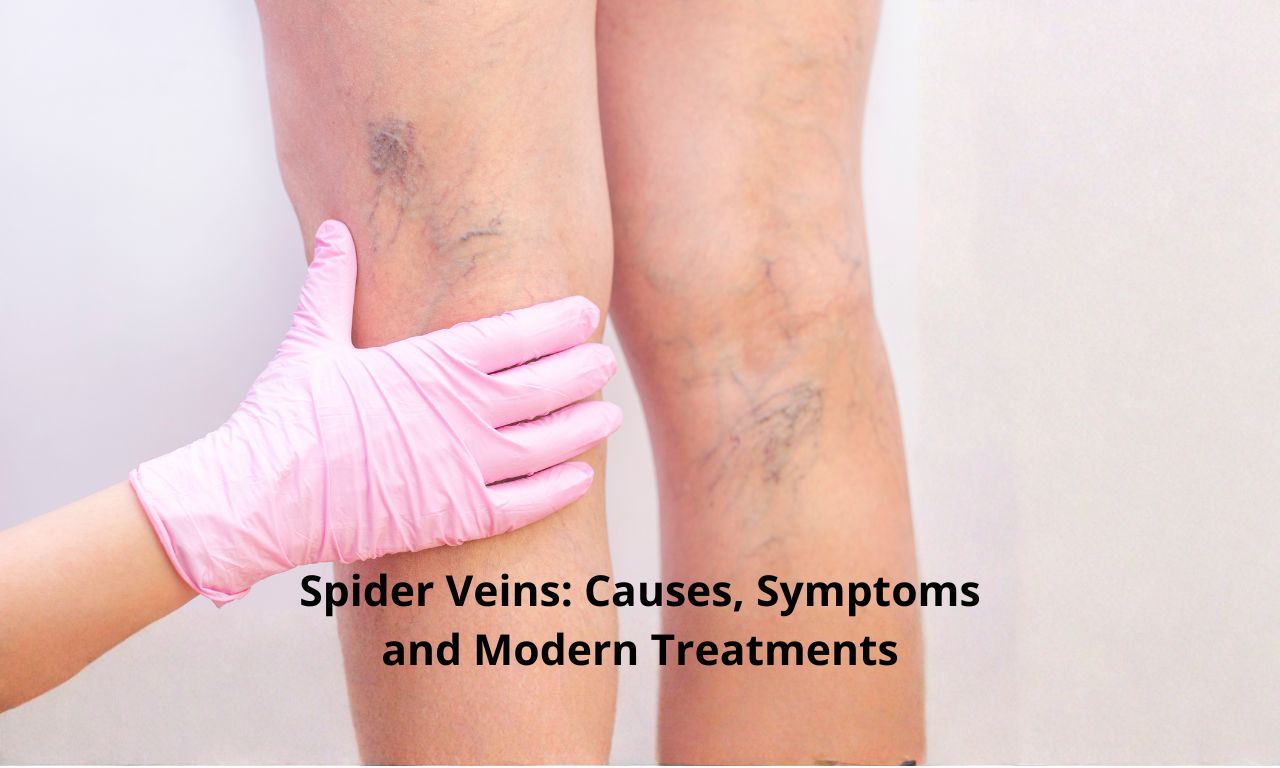
Spider veins, medically known as telangiectasias, are small dilated blood vessels visible through the skin.
They commonly appear:
- On the legs
- Around the ankles
- On the face
Their web-like pattern resembles a spider’s legs, which is how they get their name.
Causes and Risk Factors
Spider veins often develop due to increased pressure in the veins.
Common causes include:
- Genetic predisposition
- Hormonal changes
- Pregnancy
- Prolonged standing
- Sun exposure (for facial spider veins)
- Aging
Symptoms and Warning Signs
Spider veins are usually painless but may sometimes cause:
- Mild itching
- Burning sensation
- Leg fatigue
- Cosmetic concerns
Diagnosis and Medical Evaluation
A vein specialist evaluates the veins visually and may perform a duplex ultrasound to rule out underlying venous insufficiency.
Treatment Options
The most effective treatments include:
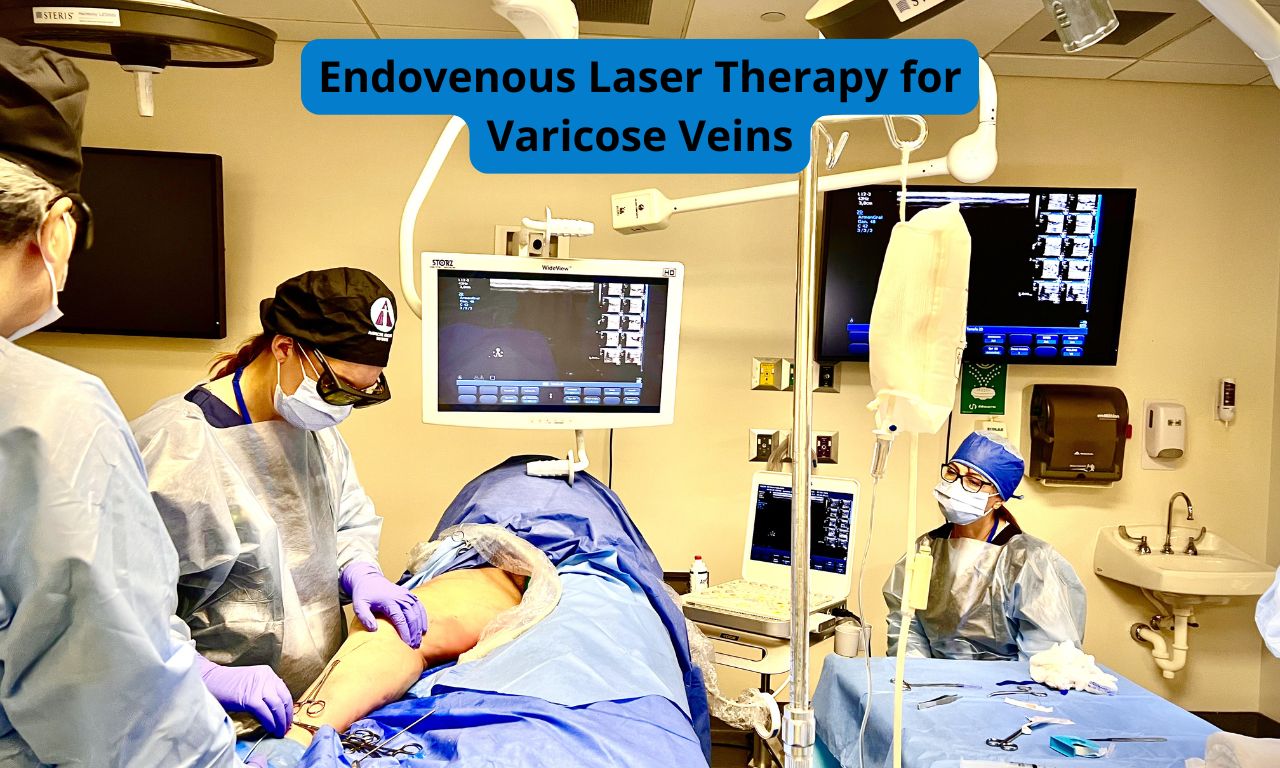
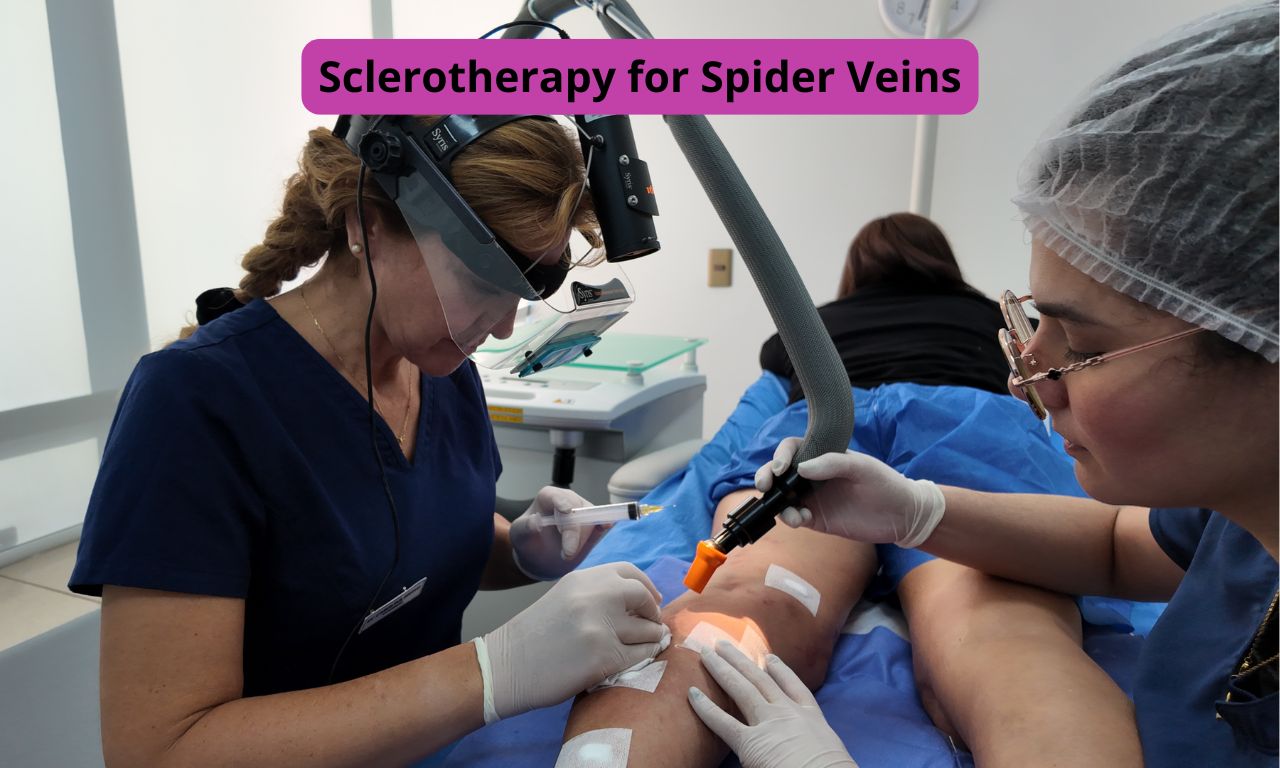
Sclerotherapy
The gold standard treatment for spider veins.
Laser Therapy
Used particularly for facial spider veins.
Lifestyle Measures
- Regular exercise
- Compression stockings
- Avoid prolonged standing
Prevention and Lifestyle Recommendations
- Maintain a healthy weight
- Exercise regularly
- Elevate legs periodically
- Protect skin from sun exposure
When to See a Vein Specialist
Consult a specialist if spider veins are:
- Increasing in number
- Causing discomfort
- Associated with swelling or pain
Frequently Asked Questions
Are spider veins the same as varicose veins?
No. Spider veins are smaller and usually less severe.
Is sclerotherapy permanent?
Treated veins fade permanently, though new ones may develop.
How many sessions are needed?
Typically 1–3 sessions depending on severity.
Is treatment safe?
Yes. Sclerotherapy is widely used and considered very safe.
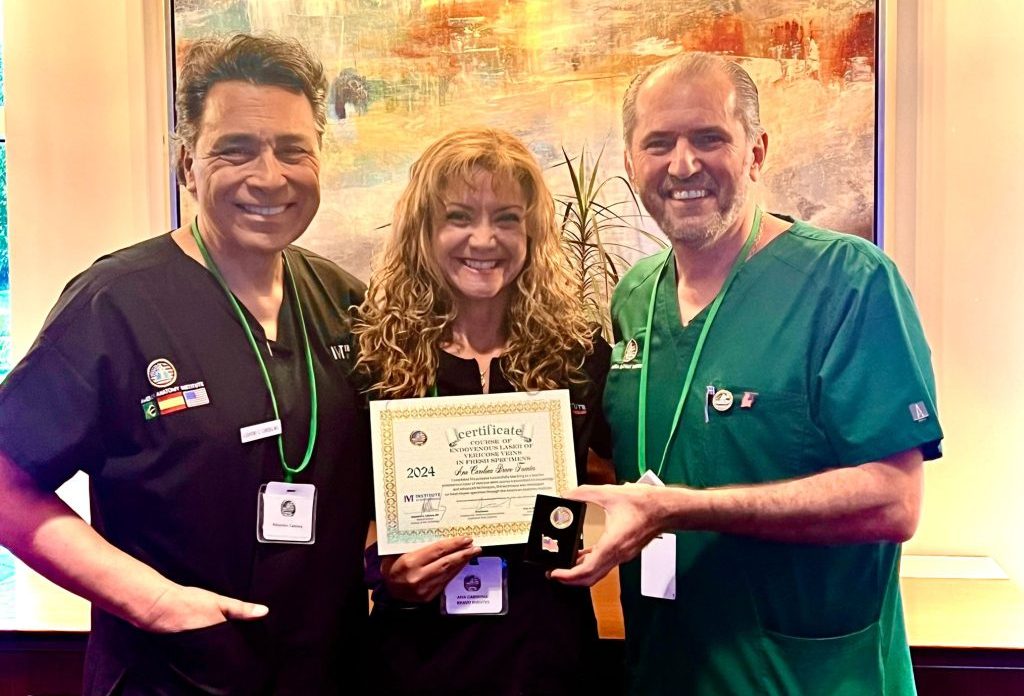
Medical Credibility (autor)
Medically reviewed by
Dr. Alejandro Cabrera
Specialist in Phlebology and Vascular Medicine