

Varicose Veins: Causes, Symptoms and Treatment Options
Learn what causes varicose veins, their symptoms, and the most effective treatment options including sclerotherapy and endovenous laser therapy.
Varicose veins are one of the most common vascular conditions worldwide, affecting millions of adults. While many people initially view them as a cosmetic concern, varicose veins can also signal an underlying venous circulation problem that may worsen over time. Understanding the causes, symptoms, and treatment options for varicose veins can help patients seek appropriate care and prevent complications.
What Are Varicose Veins?
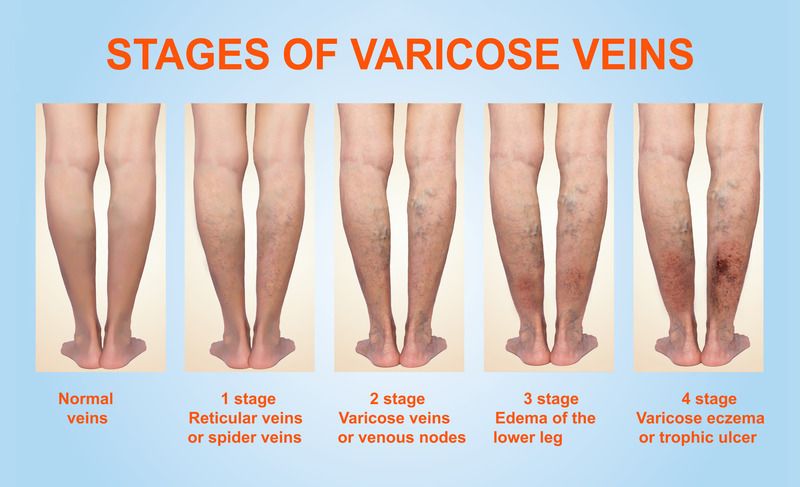
Varicose veins are enlarged, twisted veins that typically appear on the legs and feet. They develop when the valves inside the veins weaken or become damaged, preventing blood from flowing properly back to the heart.
Instead of moving efficiently upward, blood begins to pool in the veins, causing them to stretch and become visible beneath the skin.
Common characteristics include:
- Bulging blue or purple veins
- Rope-like or twisted appearance
- Most commonly located in the legs
Varicose veins are part of a broader condition known as chronic venous insufficiency, where the veins struggle to circulate blood effectively.
Causes and Risk FactorsSeveral factors can increase the likelihood of developing varicose veins.
Genetics
Family history is one of the strongest predictors. If your parents had varicose veins, your risk increases significantly.
Age
As people age, vein walls and valves naturally weaken.
Pregnancy
Pregnancy increases blood volume and pressure on pelvic veins, which may lead to varicose veins.
Prolonged Standing or Sitting
Occupations that require long periods of standing—such as teachers, nurses, or retail workers—may increase risk.
Lifestyle Factors
Other contributing factors include:
- Obesity
- Lack of physical activity
- Hormonal changes
- Smoking
Symptoms and Warning Signs
While some people experience no symptoms, others may develop noticeable discomfort.
Common symptoms include:
- Aching or heavy legs
- Swelling in the lower legs
- Burning or throbbing sensations
- Muscle cramps at night
- Skin discoloration near the ankles
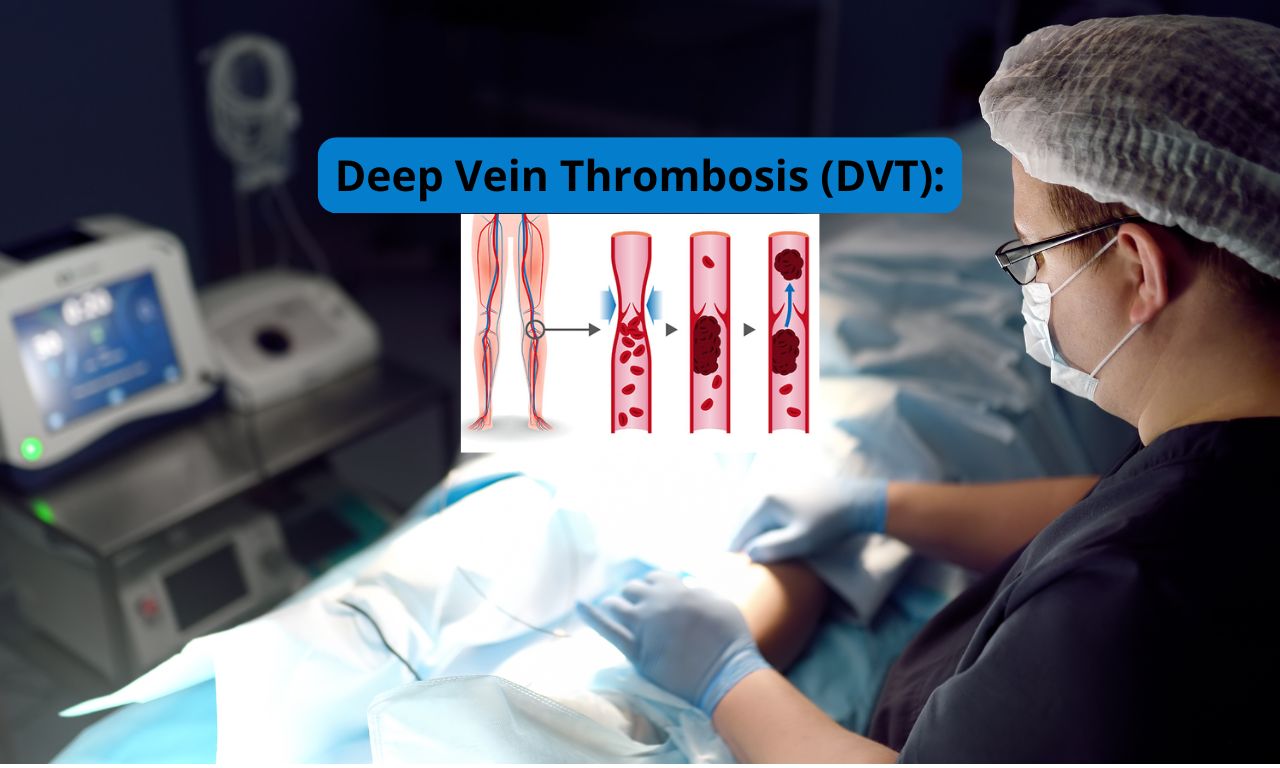
In advanced cases, complications such as venous ulcers or blood clots may occur.
Diagnosis and Medical Evaluation
A vascular specialist typically begins with a clinical examination, reviewing symptoms and medical history.
The most important diagnostic test is:
Duplex Ultrasound
This non-invasive imaging test evaluates:
- Blood flow in the veins
- Valve function
- Presence of blood clots
- Location of venous reflux
Ultrasound allows physicians to determine the severity of venous disease and recommend the most appropriate treatment.
Treatment Options
Modern treatments for varicose veins are safe, minimally invasive, and highly effective.
Lifestyle Changes
Early-stage management may include:
- Regular physical activity
- Weight management
- Leg elevation
- Avoiding prolonged standing
Compression Therapy
Compression stockings help improve circulation and reduce symptoms.
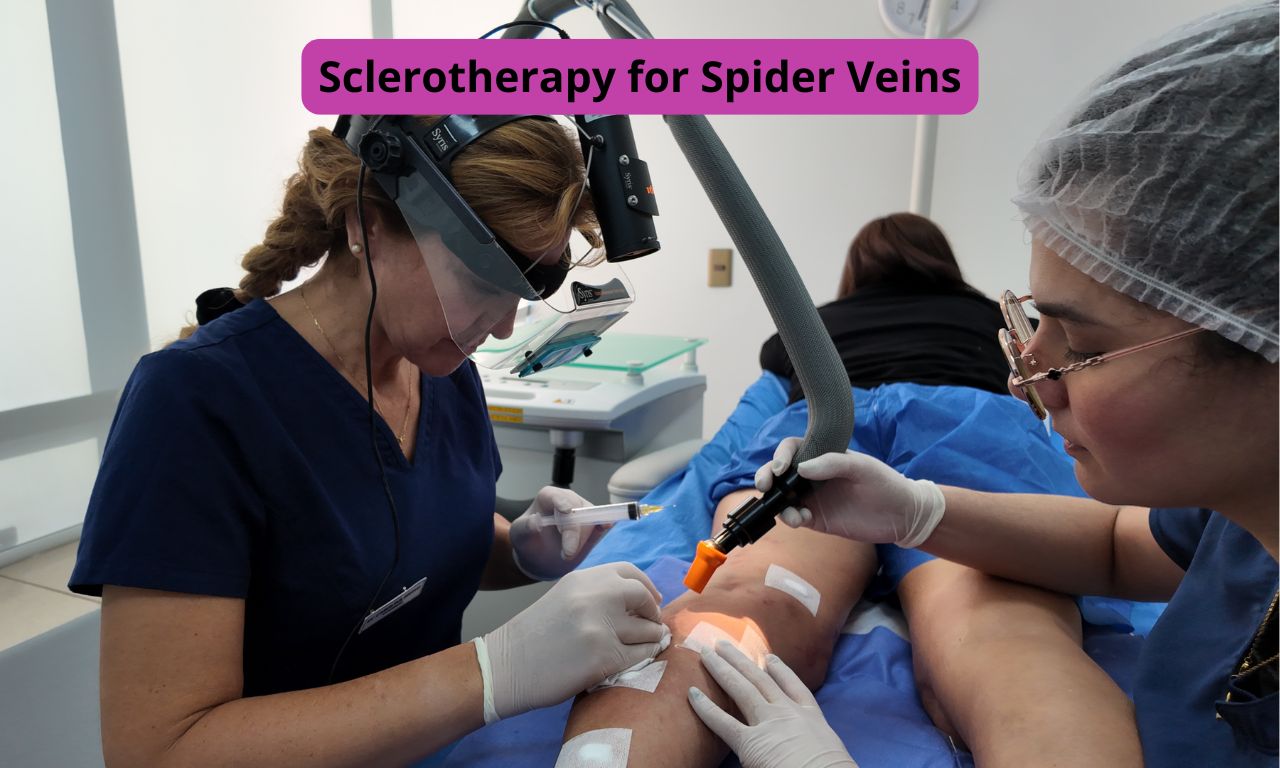
Sclerotherapy
A medical solution is injected into small veins, causing them to collapse and gradually disappear.
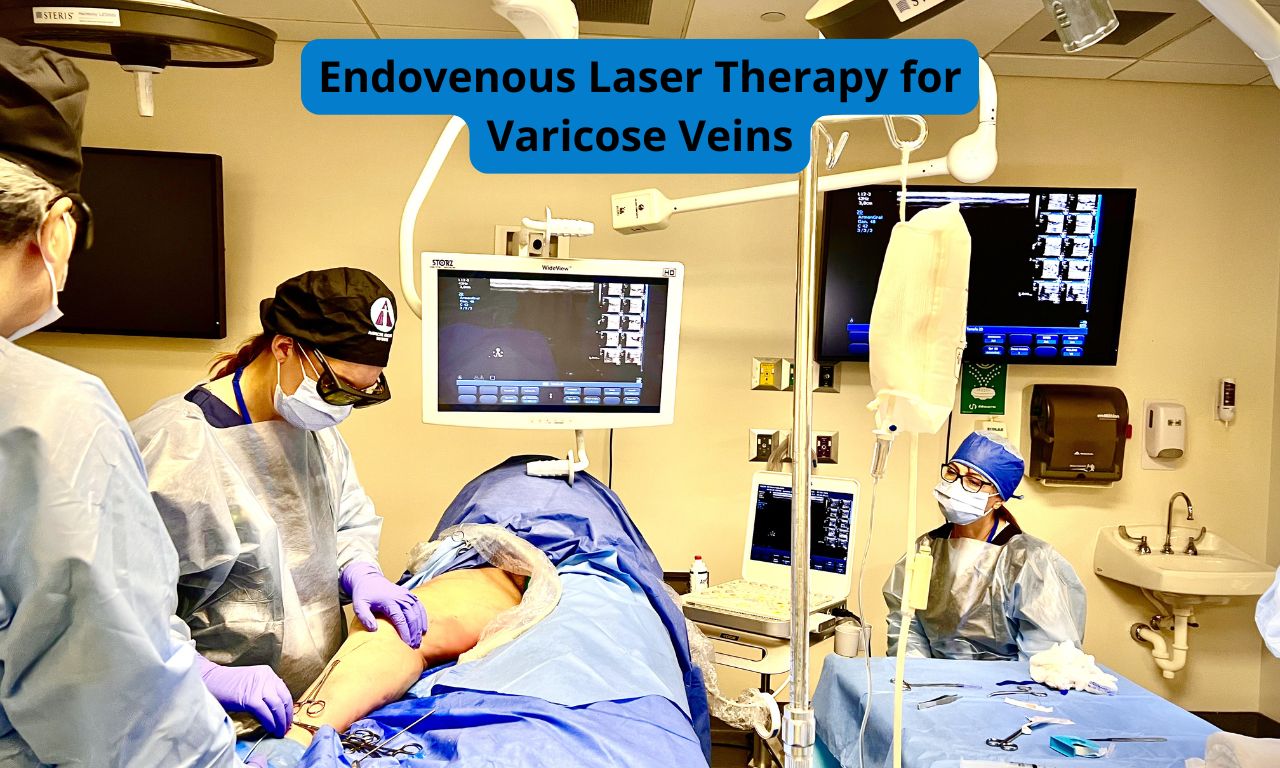
Endovenous Laser Treatment (EVLT)
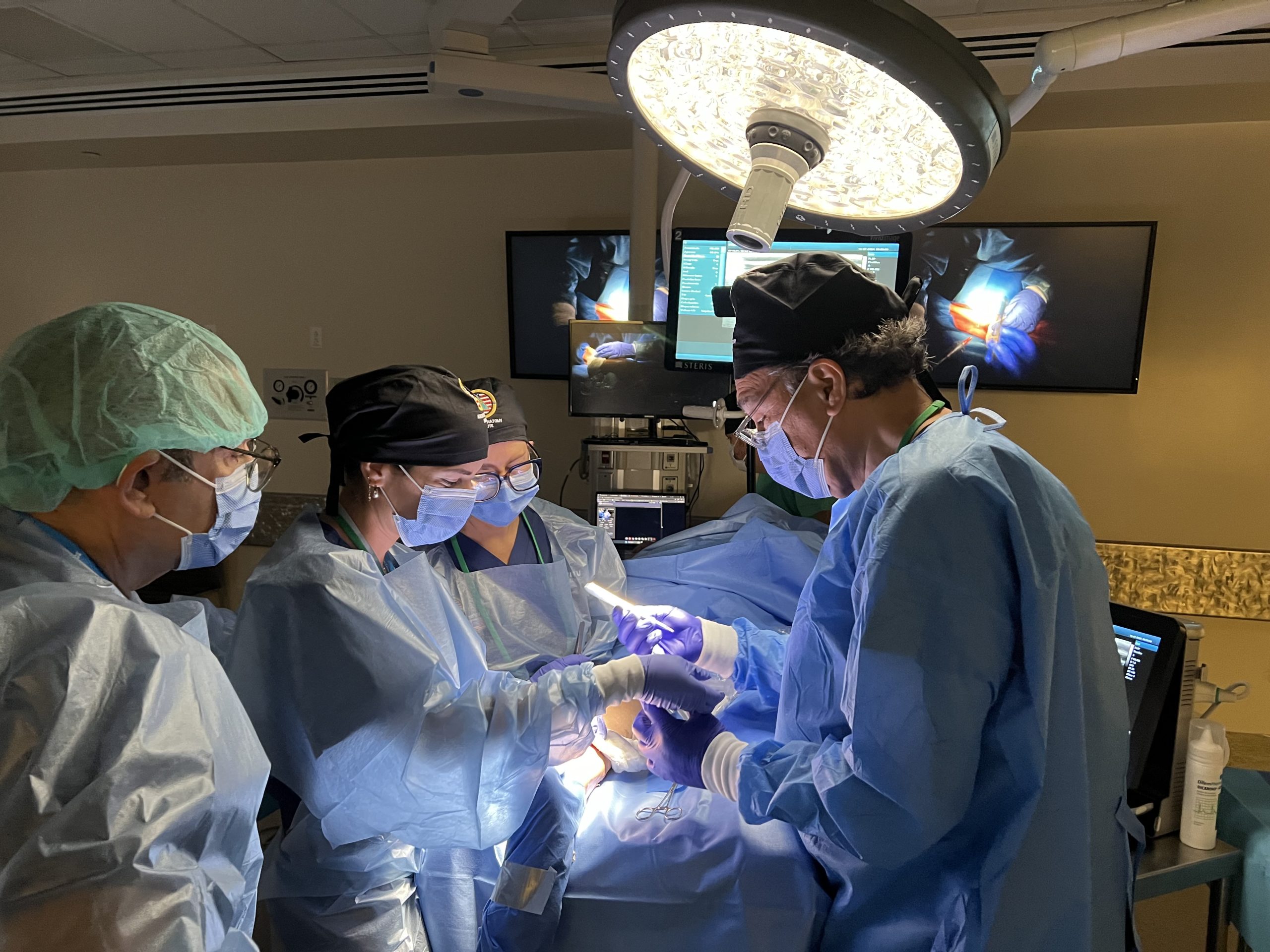
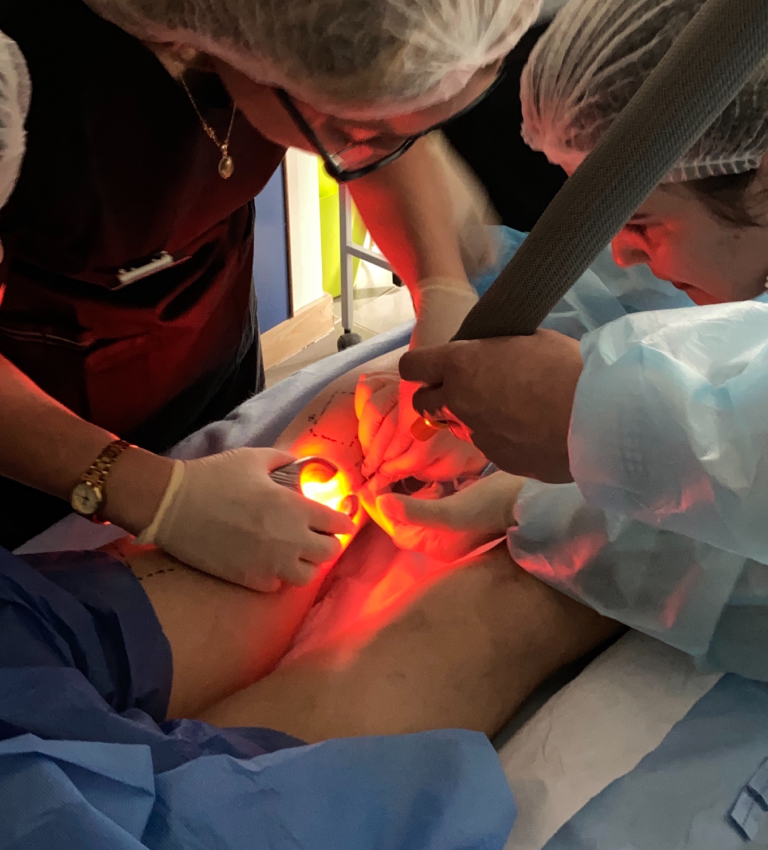
This minimally invasive procedure uses laser energy to seal the diseased vein.
Benefits include:
- Local anesthesia
- Minimal downtime
- High success rates
Radiofrequency Ablation
Another advanced treatment that uses thermal energy to close abnormal veins.
Prevention and Lifestyle Recommendations
Although varicose veins cannot always be prevented, certain lifestyle changes can reduce risk.
Recommended habits include:
- Regular walking or exercise
- Maintaining a healthy weight
- Avoiding tight clothing
- Elevating legs periodically
- Using compression stockings if recommended
When to See a Vein Specialist
Patients should consult a vascular specialist if they experience:
- Persistent leg pain or swelling
- Visible varicose veins
- Skin discoloration
- Slow-healing leg wounds
Early evaluation helps prevent disease progression and improves treatment outcomes.
Frequently Asked Questions (FAQ)
Are varicose veins dangerous?
In many cases they are harmless, but untreated venous disease can lead to complications such as ulcers or blood clots.
Is treatment painful?
Most modern procedures, such as laser treatment or sclerotherapy, involve minimal discomfort.
How long is recovery?
Many patients return to normal activities within 24–48 hours.
Do varicose veins come back after treatment?
Treated veins typically do not return, but new veins may develop over time.
Are treatments covered by insurance?
Coverage varies depending on whether the condition is considered medical or cosmetic.
Medical Credibility (autor)
Medically reviewed by
Dr. Alejandro Cabrera
Specialist in Phlebology and Vascular Medicine